
Civil Servants' Flexible Work Policy Evaluated: PANRB Minister Confirms Service Quality Maintained
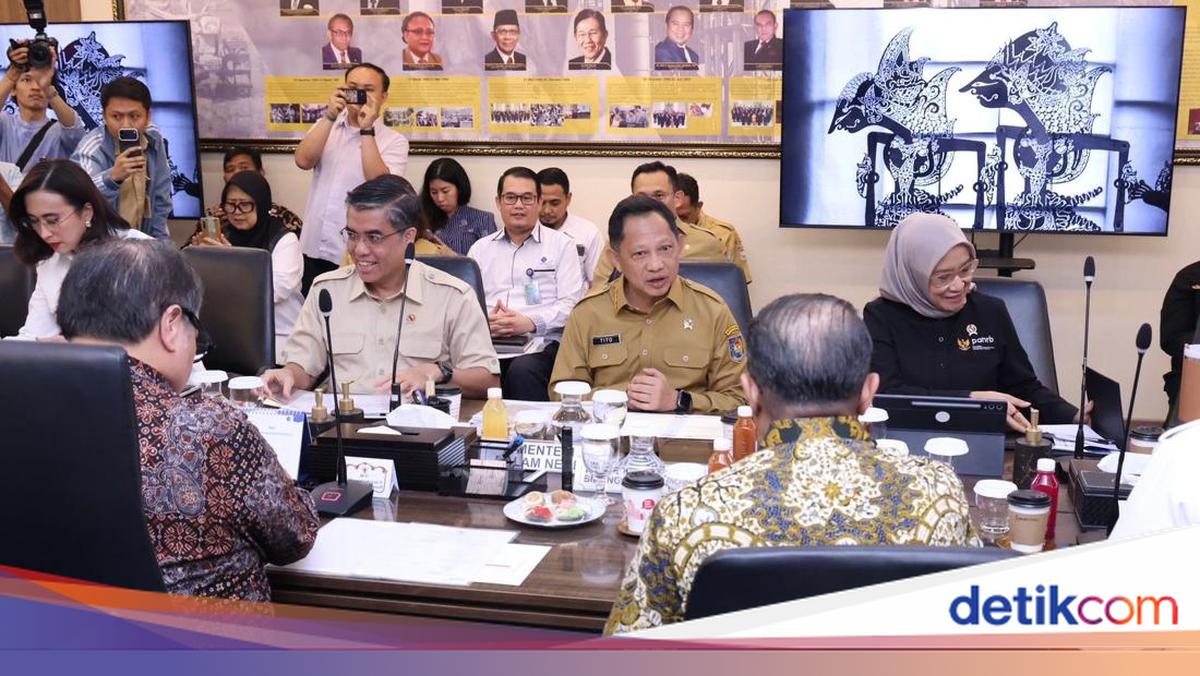
Conversely, flexible working has significantly boosted government operational efficiency while accelerating bureaucratic digitalisation, without compromising public service quality. Minister of Public Administration and Bureaucratic Reform (PAN-RB) Rini Widyantini stated that flexible working policies are not merely about arranging civil servants’ work locations but form part of a broader government system transformation adapting to technological advances and public needs. “Efficiency does not mean reducing services. Today’s efficiency means changing how the government operates. Flexible working is the gateway, while government digital transformation is the primary change,” Rini said in a written statement on Tuesday (26 May 2026). She made the remarks during a limited coordination meeting on the evaluation of work culture transformation policies at the Coordinating Ministry for Economic Affairs (Kemenko Perekonomian) in Jakarta on Tuesday (26 May 2026). The evaluation revealed that official travel costs were streamlined by Rp1.95 trillion and government utilities saved Rp65.6 billion. Additionally, a national increase of 100,817 electronic signature (TTE) documents demonstrated accelerated bureaucratic digitalisation. Simultaneously, public service quality remained intact, with 95% of public services stable or improved during flexible working implementation. Public satisfaction was maintained, and all citizen complaints were addressed through official channels. Rini stressed that work culture transformation must be supported by Digital Public Infrastructure (DPI) foundations, including digital identities, interagency data exchange, and government digital payments. These are prerequisites for an integrated, non-siloed, and trusted bureaucracy. “Work culture transformation must drive civil servants to work more effectively, agilely, and results-oriented. Flexible working does not mean lower service quality but rather strengthens professionalism and performance accountability,” Rini added. The evaluation also noted key areas for improvement, including strengthening digital work culture and adjusting inter-unit and inter-agency coordination patterns. Each agency is urged to ensure optimal public service delivery despite flexible working arrangements. “Moving forward, flexible working must be more maturely implemented—not only in terms of work locations but also in governance, coordination, and organisational performance achievement,” Rini stated. Meanwhile, Coordinating Minister for Economic Affairs Airlangga Hartarto said the evaluation showed positive impacts from civil servants’ flexible working policies, including energy efficiency gains. “Following a two-month evaluation of civil servants’ work-from-home (WFH) implementation, the government decided to extend the policy via new circulars from the PANRB Minister for central government agencies and the Interior Minister for local governments,” he added. Airlangga added that the policy would be accompanied by further guidance for civil servants to ensure flexible working remains productive, disciplined, and aligned with public service requirements. Through this evaluation, the government hopes civil servants’ work culture transformation will strengthen bureaucratic effectiveness, accelerate government digital transformation, and support environmental efficiency and sustainability.