
Civil Coalition Urges Home Affairs Ministry to Collect Domestic Worker Data Down to RT and Village Levels
Domestic workers have so far been invisible in the state system. Without data, protection will always be weak. Therefore, the state needs to connect existing systems so that protection reaches people’s homes.
Jakarta (ANTARA) - Institut Sarinah, on behalf of the Civil Coalition for the Domestic Workers Protection Act (UU PPRT), is urging the Ministry of Home Affairs (Kemendagri) to conduct data collection on domestic workers (PRTs) as part of the implementation of UU PPRT.
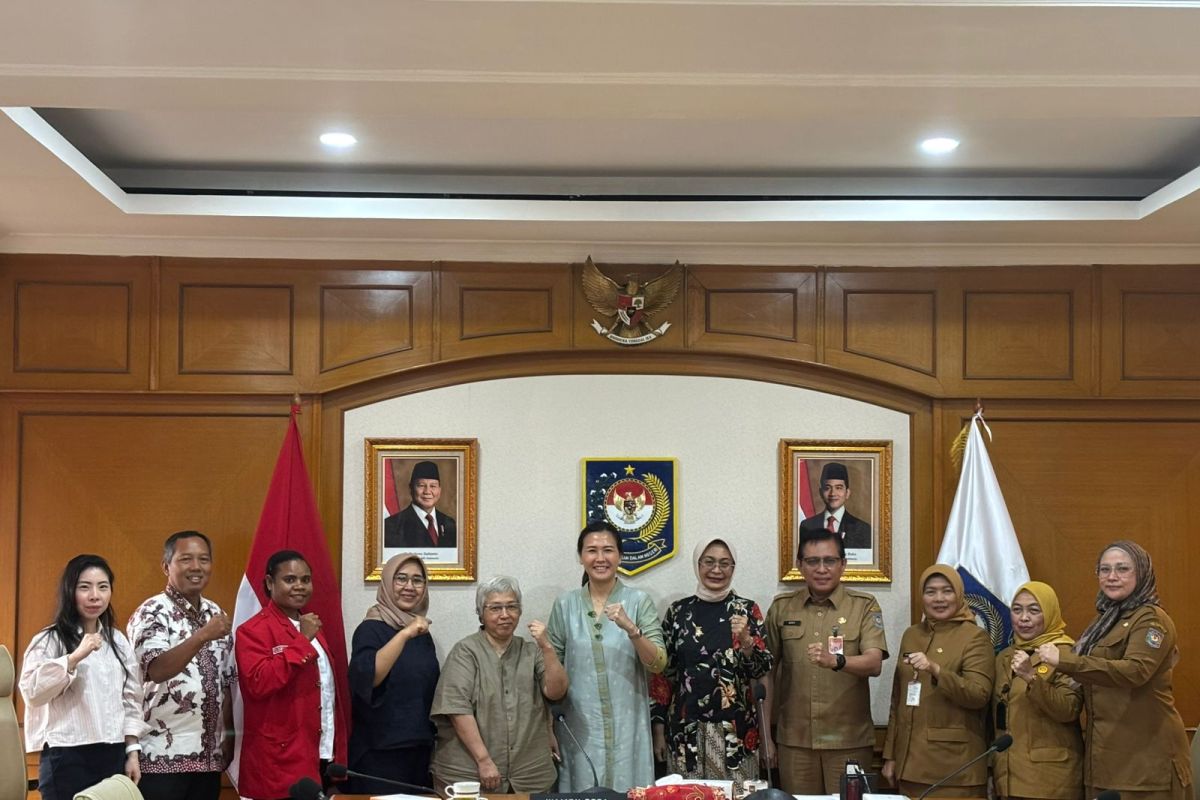
The meeting held at the Office of the Secretary General of Kemendagri on Tuesday (11/5) was the second agenda in efforts to strengthen preparations for drafting the Government Regulation (PP) derivative of UU PPRT.
“Domestic workers have so far been invisible in the state system. Without data, protection will always be weak. Therefore, the state needs to connect existing systems so that protection reaches people’s homes,” said Eva K Sundari from Institut Sarinah in a written statement received in Jakarta on Wednesday.
Eva explained that the implementation of UU PPRT cannot be viewed solely as a labour issue, but also concerns local government governance and strengthening the social protection system.
Therefore, Institut Sarinah proposes the issuance of a Circular Letter (SE) from Kemendagri to encourage data collection on PRTs through RT/RW or village governments as an initial step to bring state protection to the domestic household space.
On the same occasion, Lita Anggraini from JALA PRT emphasised the importance of village government involvement in the data collection system.
She assessed that data collection based on RT/RW has limitations in reaching PRTs working in apartments, condominiums, or urban elite areas.
“Therefore, villages and sub-districts need to be actively involved so that no PRT is missed from the protection system,” she said.
According to her, care work is an important foundation for the sustainability of the economy and social welfare of society.
“We want women to gain maximum benefits in the form of their integration into the main economic system. This law must be able to provide positive impacts for organising care economy that plays a central role in the nation’s human capital project,” said Veronika.
Restuardy also agreed with the proposal regarding the importance of the Kemendagri Circular Letter on data collection of PRTs at the local level.
In the policy brief presented, Institut Sarinah also emphasised the role of Kemendagri as an orchestrator of regional policies in the implementation of UU PPRT.
The meeting is hoped to be an initial step in strengthening coordination between ministries and institutions so that the implementation of UU PPRT does not stop at formal regulations, but brings real protection to millions of domestic workers in Indonesia.