
Citizens can report dangerous cosmetics, but should not publicise them
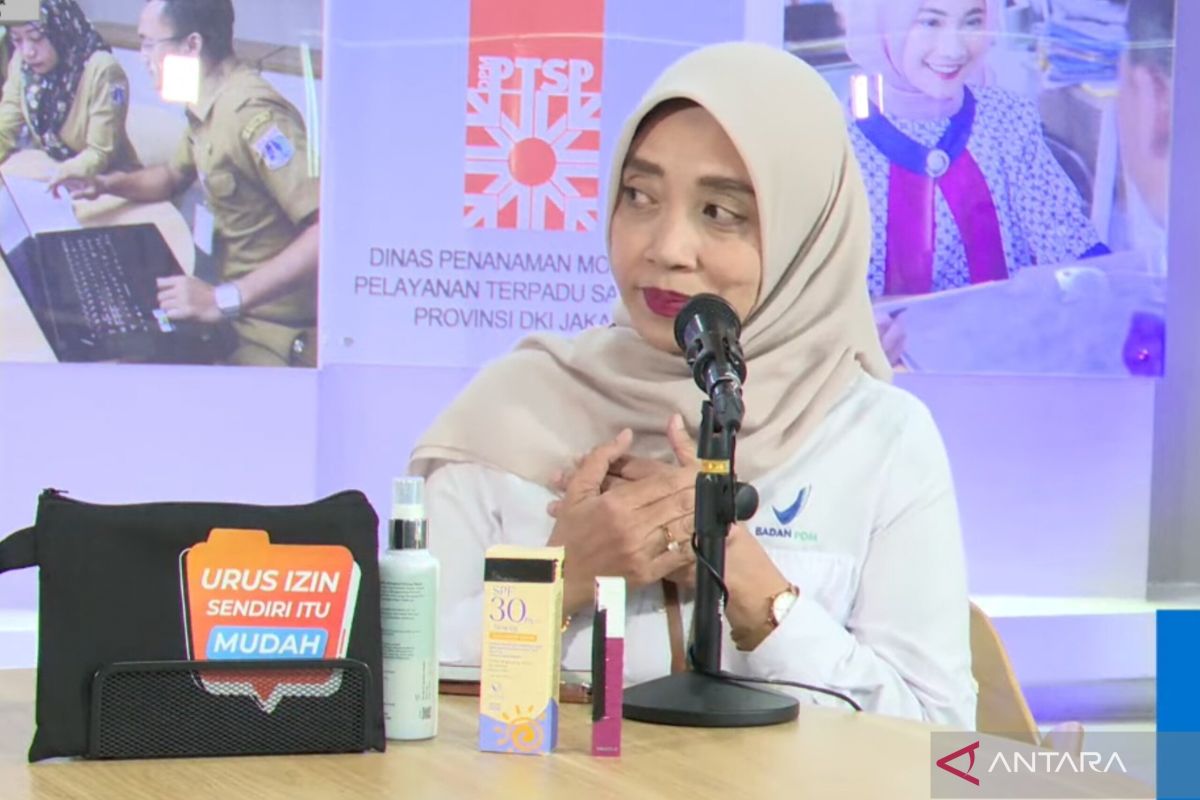
Jakarta — Indonesia’s Food and Drug Supervisory Agency (Balai Besar Pengawas Obat dan Makanan, BBPOM) has reminded the public that whilst they can report suspected cosmetics containing dangerous substances, they should not publicise such findings, including on social media.
“This responsibility should remain with the authorities — ourselves as the institution mandated with overseeing medicines and food, including the publication of supervision results,” said Evi Citraprianti, Head of the Information and Communication Substance Group at BBPOM Jakarta, during a podcast discussion in Jakarta on Wednesday.
She noted that BBPOM routinely and periodically publishes cosmetic supervision results through its official social media channels.
Furthermore, BBPOM has issued Regulation No. 16 of 2025 concerning supervision of pharmaceutical preparations and processed food through public participation. Through this regulation, the public is invited to help monitor the safety of medicines and food. Information provided by citizens will then receive attention from BBPOM during verification processes.
“The public’s role also includes the dissemination of information or reposting on social media,” Evi stated.
Cosmetics are defined as products intended for cleansing, fragrance, altering appearance, and/or improving body odour or protecting and maintaining the body in good condition. Based on this definition, cosmetics are not intended for treatment and are not classified as medicine.
“When products claim to treat acne, we must remember that cosmetics are not medicines, but rather external preparations with non-medicinal purposes. When making treatment claims, this indicates the presence of harmful substances or overclaiming,” Evi explained.
Based on BBPOM’s cosmetic distribution supervision results for the October-December 2025 period (fourth quarter), the agency identified 26 cosmetic products confirmed to contain harmful and/or banned substances that pose risks to public health.
Of these findings, 15 products were cosmetics without distribution permits, 10 products were produced through contract manufacturing arrangements, and 1 product was an imported cosmetic.
All identified products contained harmful and/or banned substances in cosmetics, including retinoic acid, mometasone furoate, hydroquinone, dexamethasone, mercury, and clindamycin.