
Cirebon Fisherman Discovers Rp720 Billion Treasure in the Java Sea
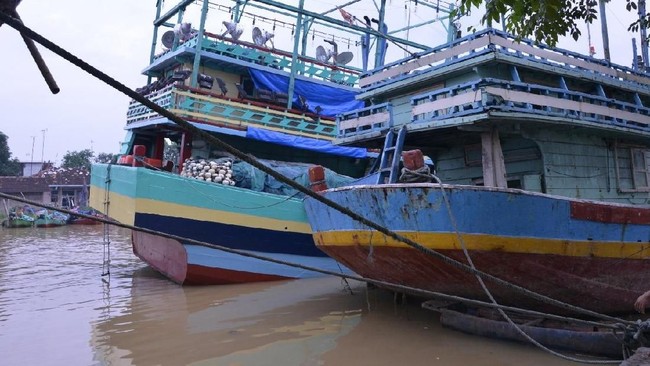
Jakarta, CNBC Indonesia — The fishing activity of a fisherman from Cirebon in the Java Sea turned into an unlikely tale after he found something extraordinary.
One morning in 2003, the fisherman, whose identity was not disclosed, was fishing as usual. He stopped about 70 kilometres from the coast in water fifty metres deep. The area was known as a place where fish often pass, so he was optimistic of a large catch.
He released the nets and let them ensnare many fish. After waiting a long time, the fisherman believed the haul was enough. He hurried to haul in the nets. This haul felt different.
The fisherman felt the nets were heavier than usual. With great effort, he hauled the nets aboard the vessel. When the nets were opened, the fisherman’s suspicions were confirmed.
The net bags contained not only fish, but also ceramics snagged in the gear. Once ashore, he traced the ceramics’ origins. News of the ceramic discovery spread.
In short, the fisherman’s find was thought to be more than just ceramic ware but fragments from a lavish treasure.
Subsequently, a private company conducted a search project with government permission. It was revealed that at the site where the fisherman made the discovery there lay a vast hoard of treasure originating from a sunken ship with an astonishing total value.
“The shipwrecks off Cirebon contain 314,171 pieces of ceramics, including porcelain, plates, bowls, and the like,” wrote Eka Asih, a researcher at the National Archaeological Centre, in Keramik Muatan Kapal Karam Cirebon (2016).
Specifically, in Radiocarbon Age Dating of 1,000-Year-Old Pearls from the Cirebon Shipwreck (2017), researcher Michael S. Krzemnicki et al stated that the sunken ship contained 12,000 high-value pearls, thousands of jewels and gold. The Detik.com news site (3 April 2012) reported that all these finds were estimated to total Rp720 billion.
Treasure from China in Indonesian Waters?
Regardless of how fantastic it seems, the fisherman’s discovery would later become the largest underwater archaeological treasure find of the early 21st century. It is understood that all the ceramics originated from China, specifically from the Tang Dynasty around the 9th to 10th centuries CE.
At the time, Tang China used ceramics as a commodity of high value. The Celestial Empire often shipped by sea to India, one of the world’s trading hubs.
Typically routes passed through the South China Sea, the Malacca Strait, and the Indian Ocean. However, the sunken vessel off Cirebon did not necessarily originate from either Arabia or China.
Referring to Eka Asih’s research, the vessel originated from the Nusantara region or Indonesia itself. This is demonstrated by an archaeological reconstruction comparing the ceramics found at Cirebon with those found in Palembang, South Sumatra.
The results showed that the ceramics in Cirebon match those from the Palembang Sultanate. At the time, while the Tang Dynasty traded ceramics, the Sriwijaya Kingdom was at the height of its power, with a robust economy that is believed to have reached China.
No wonder there are similar finds elsewhere that could reveal the veil surrounding the Cirebon treasure discovery. From this, it is understood the ship was believed to have carried Chinese ceramics traded in Sumatra on their way to the northern coast of Java; unfortunately, in the waters off Cirebon, the ship sank along with thousands of treasures on board.
All of it disappeared beneath the sea floor until it was finally found by a fisherman in 2003. The incident is now recorded in history as the Cirebon Wreck.
(mkh/mkh) Add as a preferred source on Google