
Cipayung Waste Disposal Site Exceeds Capacity, Rubbish Spills onto Depok Protocol Road
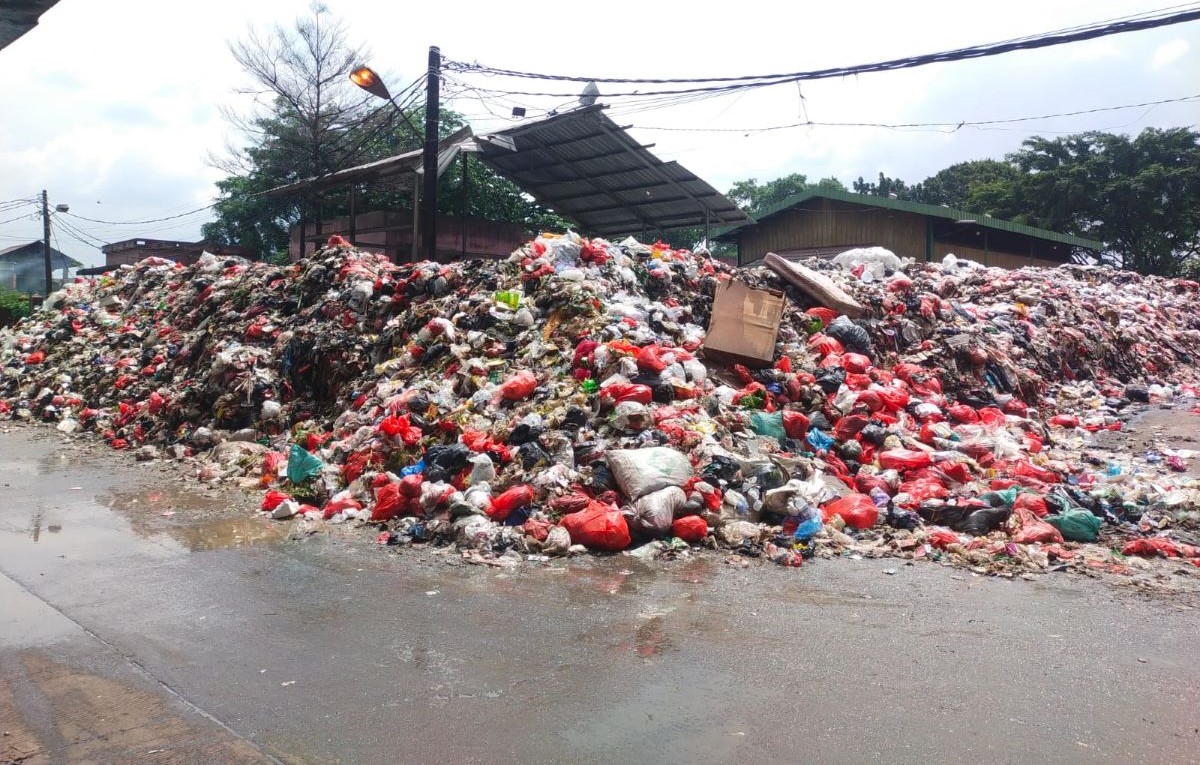
Waste management conditions in Depok City, West Java, are becoming increasingly alarming. Monitoring on Monday, 9 March, revealed piles of rubbish scattered along Jalan Raya Bogor, the main access road to the Depok Mayor’s Office. The absence of waste facilities along this state road has prompted residents to dispose of household waste and plastic indiscriminately on the roadside.
The waste piles not only damage the city’s aesthetics but also emit foul-smelling odours. This phenomenon results from organic decomposition, leachate seepage, and delays in collection by the sanitation fleet.
This condition has triggered strong protests from residents and road users. Beyond environmental contamination, the waste poses risks of becoming breeding grounds for disease-carrying mosquitoes, flies and worms that threaten public health, whilst leachate seepage risks contaminating groundwater.
Oben, 53, a regular user of Jalan Raya Bogor, expressed serious concern about the unsightly conditions and air pollution caused by the waste.
“This situation is troubling because it causes foul odours, unpleasant views, dangers to motorists, and potential congestion. It significantly damages the environmental aesthetics,” he said on Monday, 9 March.
He added that the presence of waste on the protocol road directly impacts every road user. “Its presence along the main road makes its effects visibly apparent and can be felt by motorists passing through,” he explained.
Waste Crisis in Traditional Markets
Beyond the national road, similar crises afflict several traditional markets in Depok City, including Cisalak Market, Kemiri Muka Market, and Agung Market. Waste accumulation at these locations is driven by limited transport capacity to the final waste disposal site (TPA).
Budi Haryanto, Head of the Cisalak Market Technical Implementation Unit (UPT), revealed that accumulated waste is dominated by organic matter such as vegetables and fruit, plus household waste. Consequently, market conditions have become squalid and customer visits have declined.
“Pungent aromas, maggots and foul smells have caused trader revenue to fall as customers are reluctant to visit dirty markets. This waste accumulation creates economic losses for traders,” Budi explained.
He affirmed that the waste piles have become breeding grounds for pests such as rats and cockroaches that spread disease, whilst creating air pollution that disrupts trade activities.
Cipayung TPA Critical
Responding to the issue, Udara Kodratulloh, Head of the Sanitation Division at Depok City’s Environmental Office (DLH), acknowledged transport constraints due to inadequate TPA capacity.
According to him, accumulation at numerous road points and markets stems from the critical condition of Cipayung TPA.
“Cipayung TPA in Depok City is experiencing severe overcapacity with waste piled to heights of 30 metres, exceeding its capacity of 1.3 million cubic metres. More than 1,400 tonnes of waste enter daily, causing truck queues and landslide risks. This critical condition hampers waste management at surrounding temporary disposal sites,” he concluded.