
Cimahi Health Office Reveals New Facts About School Meals Programme Following Poisoning of Dozens of Students and Teachers
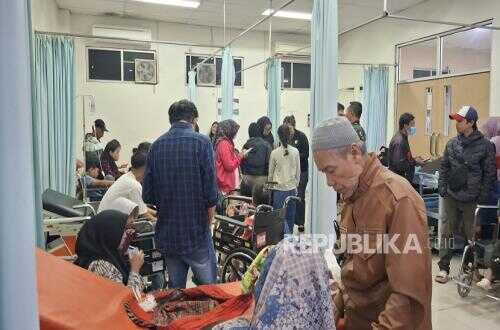
The Health Office (Dinkes) of Cimahi City has conducted a direct inspection of the Nutrition Service Unit (SPPG) Karangmekar 02 to determine the cause of poisoning among dozens of students and teachers. The meal packages distributed on Wednesday, 25 February 2026 consisted of chicken onigiri, boiled eggs, dates, apples and milk.
The Head of Cimahi City Health Office, Mulyati, revealed that the SPPG, which produced 2,662 school meal packages, has not yet obtained a Hygiene Sanitation Certificate (SLHS). Although laboratory test results for water samples, food and beverages, as well as swabs of eating utensils—required for issuing the certificate—have already been conducted.
“The laboratory results have come out and are negative, which is good for issuing the SLHS. But it has not yet been issued,” said Mulyati when confirmed on Friday, 27 February 2028.
However, the office has not issued the SLHS for the SPPG because it has not completed other supporting requirements. These include the SLHS application letter, facility layout and design documents, and official establishment documents from the National Nutrition Board (BGN).
The office has also collected several samples directly from SPPG Karangmekar 02 for testing. In addition to food samples that have already been sent to the West Java Provincial Health Laboratory (Labkesda). The office is still awaiting test results to determine the cause of the poisoning following consumption of the school meals.
“Regarding the definite cause of the food poisoning, we must still await laboratory test results, so we have taken samples. The Health Office has standard operating procedures related to environmental health inspection, food processing methods, and most importantly, environmental hygiene,” she added.