
Ciliwung River Increasingly Polluted, IPB University Expert Highlights Waste and Weak Supervision
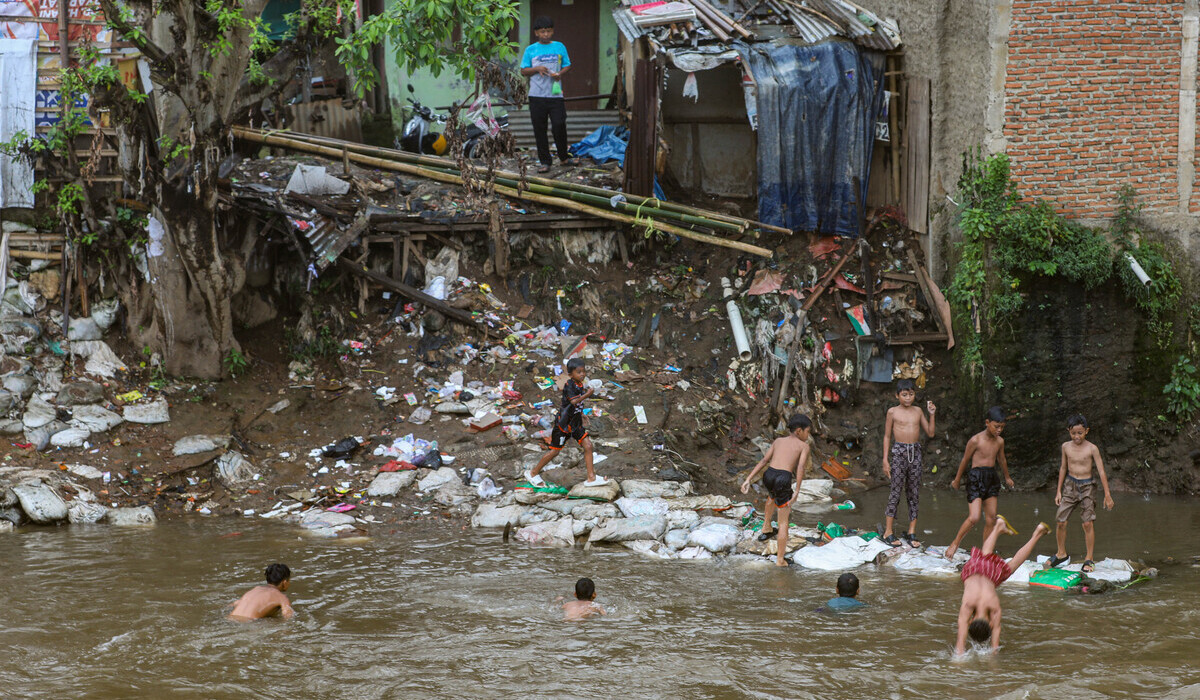
The condition of the Ciliwung River has reportedly deteriorated further over the past two years. The increase in pollution in the Ciliwung River is triggered by high waste loads, particularly from domestic activities, which are not matched by adequate treatment systems.
An expert in pollution and ecotoxicology from IPB University, Prof Etty Riani, revealed that most household waste is still discharged directly into the river body without going through wastewater treatment installations (IPAL).
“Various pollutant parameters such as BOD, COD, nutrients (N, S, P), to toxic gases like ammonia and H2S have exceeded quality standards. In addition, there are high levels of detergents and microplastics,” she stated in a written statement on Thursday (2/4).
She assessed that this issue is not only related to technical aspects but also to rapid population growth not followed by adequate sanitation infrastructure. This condition is worsened by the public’s habit of still littering into the river indiscriminately.
In addition, weak field supervision contributes to the worsening situation. Limitations in human resources make pollution control suboptimal, while violations of spatial planning continue to occur.
“Land does not increase, humans increase, eventually the river is encroached upon,” said Etty.
She also highlighted the narrowing of the river flow due to dense settlements along the banks that do not comply with regulations. This condition not only worsens pollution but also increases flood risks.
As a comparison, Etty mentioned Japan’s success in managing rivers in a relatively short time. According to her, this success is not solely supported by technology, but also by community discipline and consistent policies.
“Japan has no compromises on riverbanks. Instead of buildings, they build open green spaces or sports facilities that function as flood retention areas when the discharge is high,” she explained.
In that country, IPAL development is carried out massively and integrally, accompanied by strict law enforcement and ongoing education to the public on the 3R principles (reduce, reuse, recycle).
To prevent the Ciliwung River’s condition from worsening in the next 20 to 30 years, Etty recommends several strategic steps. Among them are the construction of large-scale IPAL that mandates all households to connect, as well as riverbank arrangement through relocation of residents to decent housing.
She also emphasised the importance of restoring the river buffer function as open green space, carrying out reforestation in the upstream areas, and strengthening law enforcement through strict fines and social sanctions.
In addition, environmental audits of industries along the river basin area (DAS) need to be conducted periodically. The formation of a special cross-regional institution from upstream to downstream under central government coordination is considered important to make river management more integrated.
“If we are serious about combining infrastructure development, legal firmness, and consistent social behaviour change, the results will only be visible in the next five to ten years. Without that, Ciliwung will only become an increasingly dirty legacy for future generations,” she concluded.