
Chronology of Australia's Fuel Crisis: From the Strait of Hormuz Conflict to Panic Buying
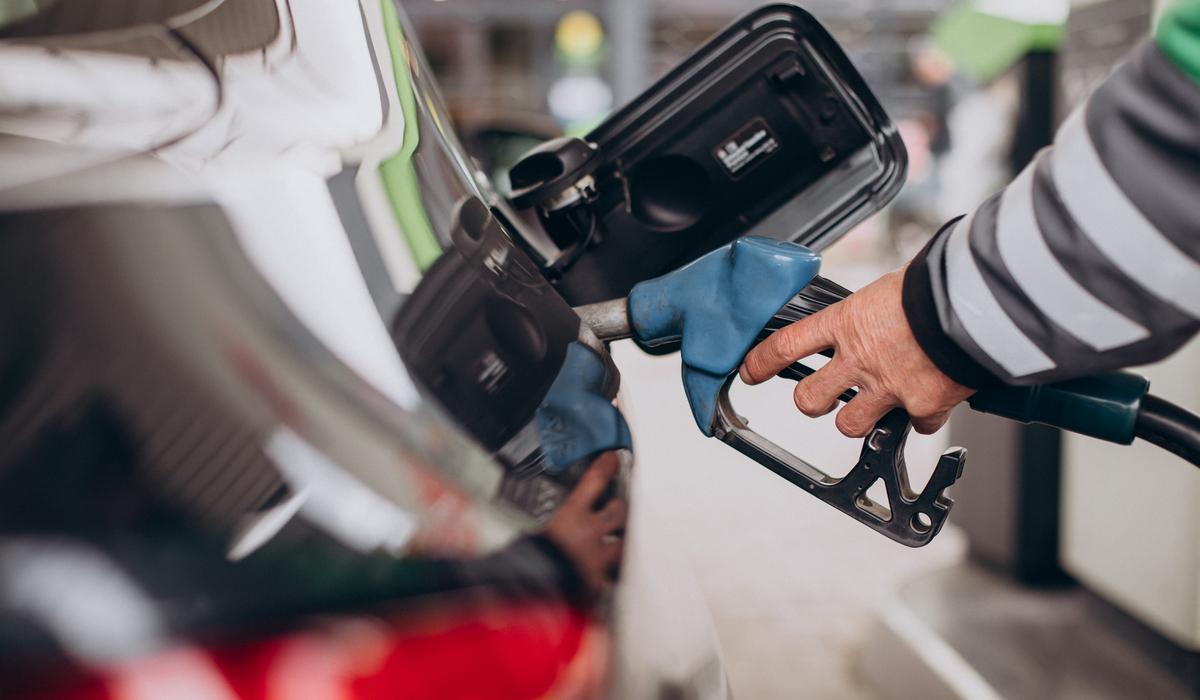
Australia is now on the brink of transportation paralysis following a fuel crisis that has sparked panic buying across various states. This shortage stems from escalating geopolitics in the Middle East, which has disrupted the global energy supply route to the Pacific region.
The crisis began in early March 2026 when tensions in the Strait of Hormuz peaked, causing a total blockade of crude oil shipping lanes. Australia, which relies on imports for more than 90% of its fuel needs, immediately felt a significant impact due to delays in tanker docking schedules at major ports such as Sydney and Melbourne.
The situation worsened in the past week as reports of 500 petrol stations running out of stock began circulating on social media. This triggered panic among residents, who flocked to filling stations, even bringing extra jerry cans. In New South Wales, vehicle queues were reported to stretch up to 2 kilometres, causing severe traffic jams on main routes.
The Australian government, through Prime Minister Anthony Albanese, has stated that national oil reserves remain at a safe level for the next 30 days. However, distribution to the retail level has been unable to keep up with the speed of panic buying by citizens worried about further price increases.
To date, more than 520 petrol stations across Australia have reportedly put up “Out of Service” signs due to simultaneous shortages of petrol and diesel.
A surge in prices was inevitable. Retail petrol prices have now reached 238 Australian cents per litre. Converted to Rupiah, this increase is very sharp, considering the skyrocketing global logistics costs due to the rerouting of tankers away from conflict zones.
Currently, the federal government is considering declaring an energy emergency status to limit fuel purchases per vehicle. This step is aimed at ensuring that critical sectors such as ambulances, fire services, and food logistics can continue operating amid global supply uncertainties.
The surge in demand triggered by panic buying has disrupted distribution.
Panic buying, or excessive fuel purchases, risks creating an artificial shortage on the ground.
The unstable global geopolitical situation in the Middle East region must serve as a serious alarm for Indonesia to immediately strengthen national energy independence.
Member of DPR RI Commission VI Nevi Zuairina reminded the importance of maintaining stability in distribution and public trust regarding the availability of national fuel oil (BBM).
The government needs to consider a gradual adjustment scheme for fuel oil (BBM) prices to dampen pressure from the surge in world oil prices.
PERTAMINA Patra Niaga Regional Sumbagut is moving quickly to anticipate energy needs dynamics amid issues of global stock resilience.
Member of DPR RI Commission VI Rachmat Gobel also responded to the statement by the Minister of Energy and Mineral Resources (ESDM) Bahlil Lahadalia regarding domestic fuel stocks lasting only 21 days.
Long queues for filling fuel oil (BBM) at public fuel filling stations (SPBU) in Central Aceh Regency and Bener Meriah Regency have been ongoing for the past three days.