
Chronology and Causes of Open War Between Muslim Nations Pakistan and Afghanistan
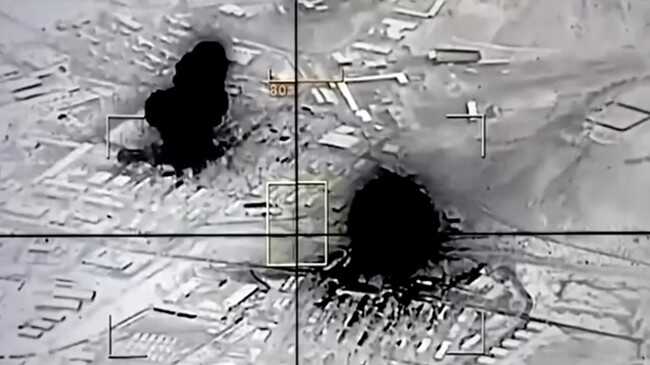
Tensions have escalated sharply between Pakistan and Afghanistan as the two Muslim nations engage in direct military confrontation. Pakistan launched bombing raids on the Afghan cities of Kabul and Kandahar on Friday, 27 February 2026, following hours of attacks by Afghan forces on Pakistani border troops.
Pakistan’s Defence Minister Khawaja Asif declared the situation to be “open war” with Afghanistan, stating on X platform: “This is now open war between us and you.” Pakistan’s Information Minister Attaullah Tarar confirmed that Taliban positions in Kabul, Paktia and Kandahar had been targeted, whilst Interior Minister Mohsin Naqvi asserted that armed forces had delivered a proportionate response to Taliban aggression.
Root Causes
The fundamental dispute originates from the Durand Line, a 2,670-kilometre border established by Britain in 1893 between Afghanistan and British India (now Pakistan). Kabul has never formally recognised this line as an international boundary, as it bisects Pashtun ethnic territories. Conversely, Islamabad considers the Durand Line legitimate and has constructed fencing and security posts to prevent cross-border militant movement.
Tensions intensified following the Taliban’s return to power in August 2021. Pakistan had hoped the new Kabul government would help suppress the Tehreek-e-Taliban Pakistan (TTP), a militant group responsible for frequent attacks within Pakistan. However, TTP operations have continued unabated. The group, which has waged a long conflict with the Pakistani state since the early 2000s due to ideological differences over Islamic governance, has allegedly found shelter in Afghanistan. Pakistan accuses Kabul of permitting this safe haven.
Armed clashes began occurring at major border crossings including Chaman-Spin Boldak and Torkham, with gun battles over fence construction and checkpoints claiming civilian casualties on both sides.
Deteriorating Situation
The situation worsened in 2022 when Pakistan launched airstrikes on the provinces of Khost and Kunar, targeting alleged TTP bases. The Taliban condemned these strikes as sovereignty violations, sparking protests across Afghan cities. Border closures disrupted trade and stranded thousands of residents. Diplomatic efforts through intelligence and military channels failed to produce lasting solutions.
Deadly Confrontation
By 2023, direct clashes in the Chaman-Spin Boldak area escalated, with reports of artillery fire and rising casualties amongst Afghan civilians and Pakistani military personnel. Pakistan reiterated accusations that the Taliban provided safe haven to the TTP, whilst the Taliban accused Pakistan of pursuing military solutions instead of dialogue.
Cross-border trade closures occurred repeatedly. Islamabad tightened visa policies and began deporting illegal Afghan refugees, triggering a humanitarian crisis.
Widening Conflict and Humanitarian Crisis
During 2024, the conflict expanded significantly. Pakistan reinforced its border military presence and expanded checkpoints, prompting the Taliban to deploy forces and armoured vehicles. Cross-border artillery fire and surveillance drone usage became commonplace. Thousands of villagers from border regions fled due to violence.
Pakistan attributed deadly attacks within its territory, including in Bannu, to Afghan-based operations, whilst the Taliban strongly denied these allegations. Diplomatic relations subsequently froze, with both nations recalling their ambassadors.
Stalemate and Risk of Greater Escalation
Entering 2025, tensions persist at the Chaman and Torkham crossings with sporadic gunfire continuing. Pakistan maintains strict security policies, including accelerated deportation of Afghan refugees despite international criticism.
Regional mediation efforts by China and Iran have not produced significant breakthroughs. Without stable communication mechanisms, both nations remain on high alert, with the risk of wider escalation that could destabilise South Asia.