
Chromodoris, Beautiful Yet Deadly Sea Slugs
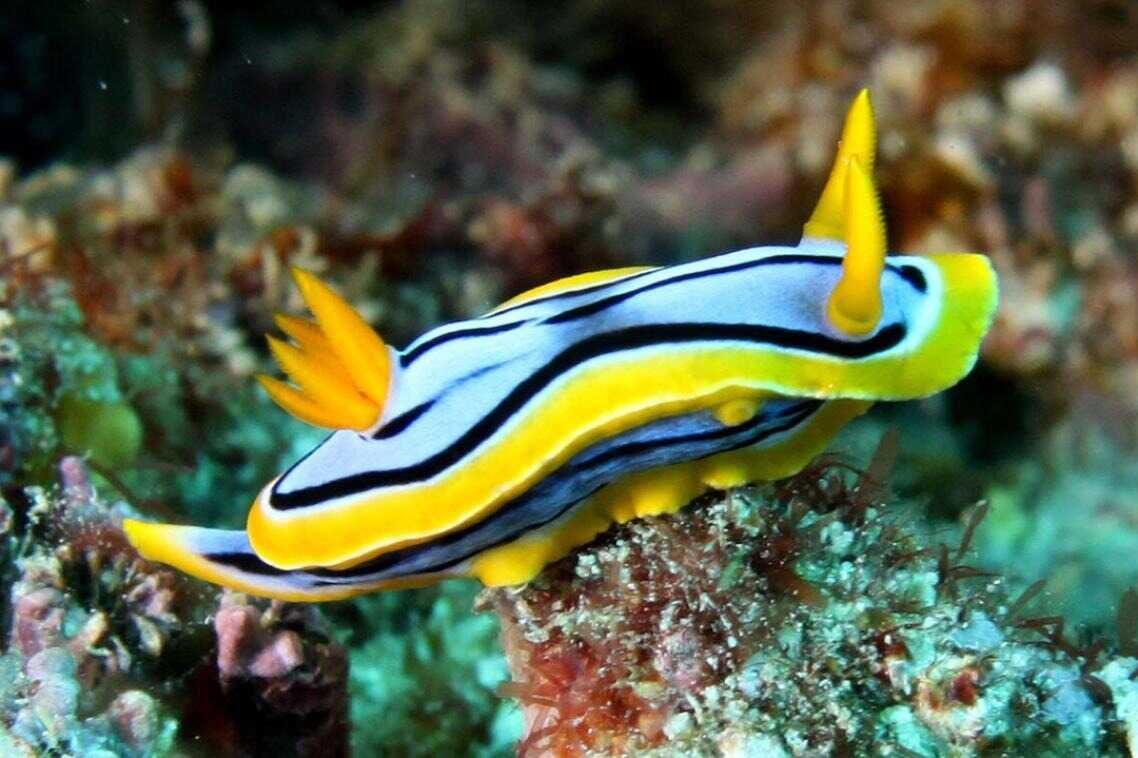
Chromodoris sea slugs, known to divers as ‘sea butterflies’ because of their bright colours and striking patterns, hide potent chemical weapons within their small bodies. A report, drawing on work from The University of Queensland and published in PLOS ONE, studied five nudibranch species closely related to Chromodoris collected from the Great Barrier Reef and southeast Queensland, Australia.
Dr Karen Cheney of the UQ School of Biological Sciences explained that these carnivorous sea slugs have long been known to acquire toxins from their prey, such as sea sponges. However, the study found that Chromodoris does not store all toxins it consumes. Instead, it selectively retains a single compound that is highly dangerous: Latrunculin A, noted for its extreme toxicity.
Laboratory tests showed that even in minuscule amounts Latrunculin A can kill brine shrimp. In follow-up testing carried out at the Institute for Molecular Bioscience, the compound proved more toxic to cancer cell lines than other toxins found in sea slugs.
The research also highlights a link between body colouration and toxin level. The bright colours of Chromodoris are thought to serve not merely aesthetic purposes but as a warning signal to predators. Fish rely on visual cues such as vivid colours to recognise toxic prey, a strategy analogous to that used by poison-dart frogs and boldly coloured butterflies on land.
However, the researchers are continuing to investigate whether a brighter appearance equates to higher toxin concentrations. They are also examining whether species capable of camouflage retain strong chemical defences even if they do not display vivid colours.
Interestingly, the discovery of the same toxin in several closely related species suggests that other factors may contribute to defence. Predators such as crabs, for instance, may employ different methods to detect toxins in their prey.
Natural products like Latrunculin A play an important role in early drug discovery. The researchers note that understanding how these toxins work in nature could offer new insights for developing cancer therapies and research into neurodegenerative diseases.