
Chinese Vendors Set the Stage: iPhone 2027 Not Yet Born, But Already Has a Copycat
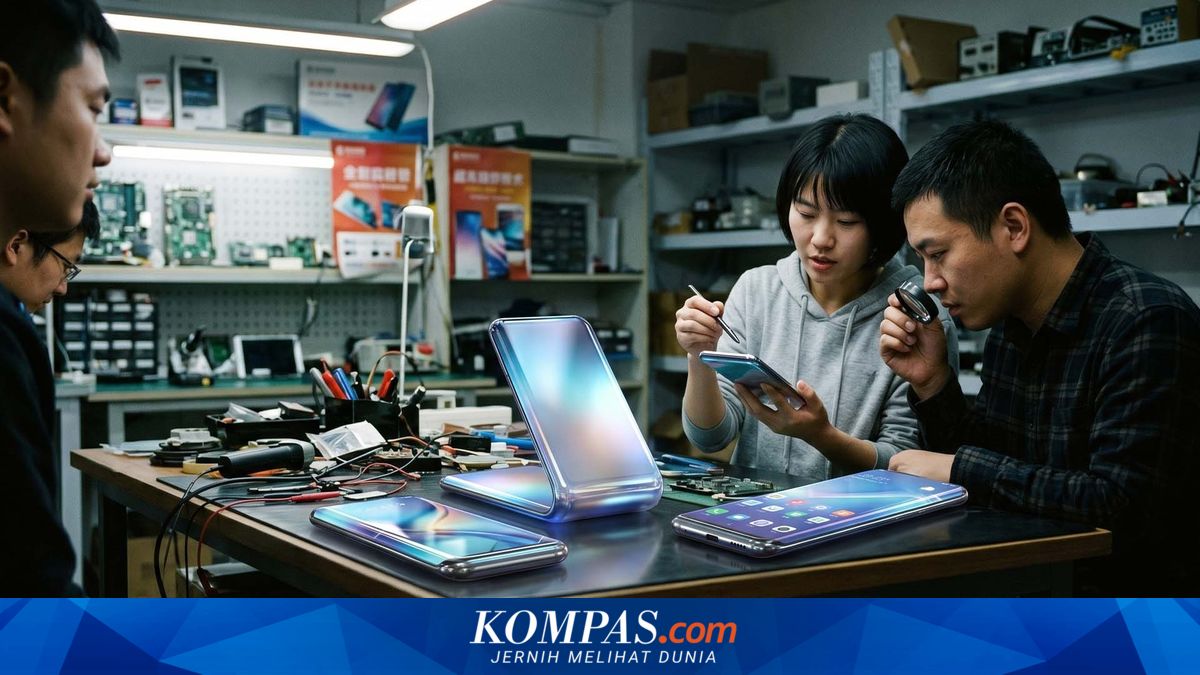
Before Apple has a chance to release its product, several Chinese smartphone vendors are reportedly moving faster by adopting the futuristic screen concept that has only circulated in iPhone leaks. Apple is said to be preparing a special edition iPhone to celebrate its 20th anniversary in 2027. The device is rumoured to feature a “Liquid Glass Display” concept, a screen that curves on all four sides. This technology is designed to create an effect where the bezel nearly disappears, making the screen appear full and seamless without visual interruptions at the edges. This design is not just a regular curved screen. Leaks suggest Apple is combining optical techniques such as light refraction and special structures to create a visual illusion where the screen edges seem to merge with the device body. Apple is also said to use Samsung’s latest OLED technology called COE (Color Filter on Encapsulation) to produce a thinner and brighter screen. Vendors from Shenzhen, China, are reportedly developing flagship phones with a similar screen design, a flat surface with gentle curves on all four sides. The goal is the same as Apple’s concept, creating a bezel-less screen appearance that looks “floating” when viewed. This phenomenon is not new in the smartphone industry. Chinese Android vendors are known for quickly adopting Apple’s design trends. However, what makes this situation different is that the product being “copied” has not been officially released yet; it is still limited to rumours and leaks. If Chinese vendors succeed in bringing this concept to market first, they have the potential to precede Apple in delivering the next-generation screen experience. The biggest challenge they may face is production costs. Screen technology with extreme thin bezel effects is estimated to be expensive, especially amid fluctuating component market conditions like DRAM. On the other hand, Apple has an advantage from its global supply chain network, allowing the company to keep prices competitive even when adopting new technology. Whether other vendors will follow this step or choose to wait for Apple’s official version first, as gathered by KompasTekno from WCCFTech. Copying does not stop at the hardware side alone. Some Android vendors are also starting to introduce “Liquid Glass”-style interface effects in their operating systems, complete with transparent animations and iPhone-inspired visual touches. Apple itself was the first to launch the Liquid Glass interface as part of a major visual overhaul integrated across its entire ecosystem, from iOS 26, iPadOS 26, macOS Tahoe, tvOS 26, to watchOS 26.