
Chinese Oil Flows Unimpeded Amid US-Israel-Iran Conflict
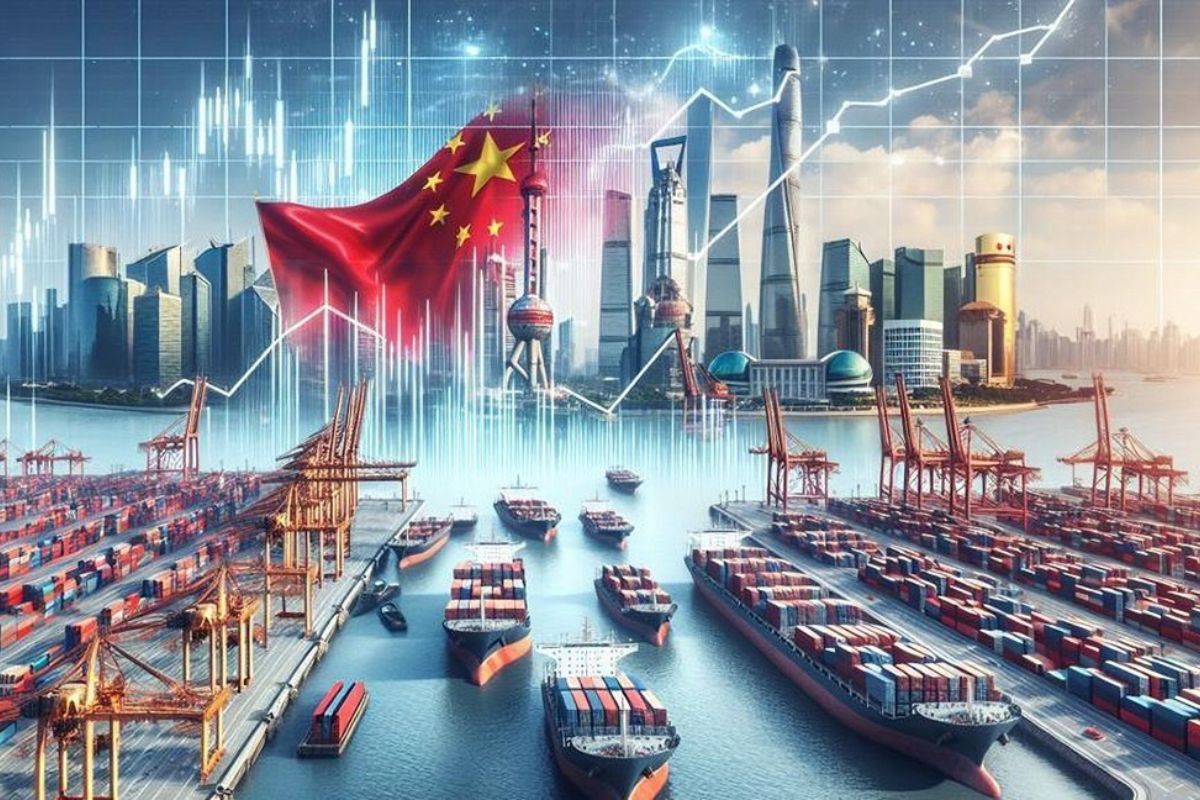
Jakarta — The Strait of Hormuz represents the most critical juncture for global capital markets at present. The conflict involving the US, Israel, and Iran along this narrow waterway has repeatedly triggered collapses in world stock exchanges. Remarkably, despite Western vessels being haunted by security risks and expensive insurance premiums, massive oil supplies continue to flow unimpeded to China. This phenomenon naturally impacts markets. Understanding the implications and updating strategies amid an increasingly heated geopolitical environment is essential.
Anatomy of the Strait of Hormuz: The World’s Energy Lifeline
To comprehend the scale of risk to your portfolio, we must examine the figures behind the Strait of Hormuz. This waterway is not merely a shipping route; it is the epicentre of global energy distribution.
Oil Volume: 21 million barrels per day of crude oil, equivalent to 21 per cent of global consumption, passes through this strait.
Gas Dependency: More than 20 per cent of global LNG supplies (particularly from Qatar) transit it. Should it be disrupted, heating and electricity prices in Europe and Asia would soar.
Price Effect: Historical disruptions at Hormuz have added a risk premium of US$10–US$30 per barrel to global oil prices.
Why Can Chinese Vessels Navigate the Strait of Hormuz?
Recent data demonstrates that amid March 2026 tensions, Iran shipped at least 11.7 million barrels of oil in a short timeframe, almost entirely to China. Why does Iran permit Chinese passage whilst threatening other vessels?
A. Tehran-Beijing: A 25-Year Transactional Relationship
China and Iran maintain a strategic 25-year partnership worth US$400 billion. China serves as Iran’s buyer of last resort for crude, particularly when US sanctions close off alternative markets. Payments are conducted in yuan (CNY) through independent systems, circumventing oversight of the dollar-based SWIFT system.
B. The Dark Fleet
China exploits the Dark Fleet—hundreds of ageing tankers with disabled Automatic Identification Systems—to import Iranian oil. Although carrying security risks (vessels “disappear” near Hormuz and reappear in Qingdao), China obtains Iranian oil at a discount of US$5–US$10 below Brent pricing.
C. Infrastructure Diversification: Jask Terminal
Iran has invested billions in the Jask Oil Terminal outside the Strait of Hormuz. The Goreh-Jask pipeline (1,000 km) permits exports of up to 1 million barrels per day without transiting the strait. This project frequently receives technical support from China, serving as a primary reason Beijing enjoys preferential access.
Implications for the United States: Hegemonic Prestige Versus Inflation Reality
For the United States, the phenomenon of China’s “special corridor” represents a double blow to economic and political standing.
A. Stagflation Risk
If global oil prices remain elevated (for example, above US$100–US$120), the US faces stagflation risk—economic stagnation coupled with high inflation. Expensive energy costs would force the Federal Reserve to maintain elevated interest rates longer, which historically suppresses S&P 500 and Nasdaq performance.
B. Depleting Strategic Petroleum Reserve (SPR)
Although US Presidents frequently respond to Hormuz crises by releasing the Strategic Petroleum Reserve (SPR), the US SPR level in 2026 remains very low following previous substantial drawdowns. Without this reserve, the US economy is highly vulnerable to fuel price spikes.
C. Shift in Global Power
China’s success in securing energy amid conflict proves that American dollar hegemony over global commodities faces mounting challenges. As China purchases oil in yuan, demand for the US dollar marginally declines, potentially triggering long-term currency devaluation.
Impact on Capital Markets
As an investor, you must distinguish between assets that will be “disadvantaged” and those that will be “advantaged” when an energy crisis strikes.
Investment Strategy Considerations
How should you construct a resilient portfolio? The following step-by-step guidance is based on historical data:
A. Gold as an Anchor
Every Middle Eastern crisis (1990, 2003, 2020, 2026) demonstrates positive correlation between gold and geopolitical risk. If oil prices exceed US$120, gold tends to reach new highs. A proven investment strategy involves accumulating gold during price corrections.
Additionally, investors can purchase silver as a hedge asset. Through investment platforms, one can acquire iShares Silver Trust (SLV), managed by Blackrock since 2006. Blackrock ranks among the world’s largest fund managers, with US$14 trillion in assets under management as of January 2026.
B. US Energy Stock Exposure via S&P 500
Do not view crude oil solely as a commodity. Major US oil companies maintain strong balance sheets in 2026. Rising oil prices boost free cash flow, followed by substantial dividends or buybacks. Collecting S&P 500 index exposure provides automatic exposure to these energy giants.
Alternatively, direct ownership through Exxon Mobil (XOM) and Chevron (CVX)—energy giants with substantial exposure to global natural gas production—or Occidental Petroleum (OXY), a company favoured by Warren Buffett and highly sensitive to energy price movements, may be considered.
C. Leveraging China’s Resilience
With oil reserves reaching 1.2 billion barrels (sufficient to meet domestic requirements for 3–4 months without imports), China’s economy possesses an “airbag” against energy inflation not enjoyed by Europe or Japan. Investors might consider Chinese manufacturing and technology stocks (BABA, NIO, JD, BIDU, IQ, FUTU, XPENG, LI) that may face sentiment-driven pressure yet remain fundamentally strong due to controlled domestic energy costs.
D. Managing Risk in Nasdaq Index
If you hold substantial technology sector assets, prepare for volatility. This sector is sensitive to interest rates. Should oil prices trigger inflation, interest rate increases will reduce the present value of technology companies’ future earnings. Consider temporary rebalancing towards more defensive assets within consumer staples or utilities sectors.