
Chinese Foreign Minister urges Global South to safeguard multilateralism
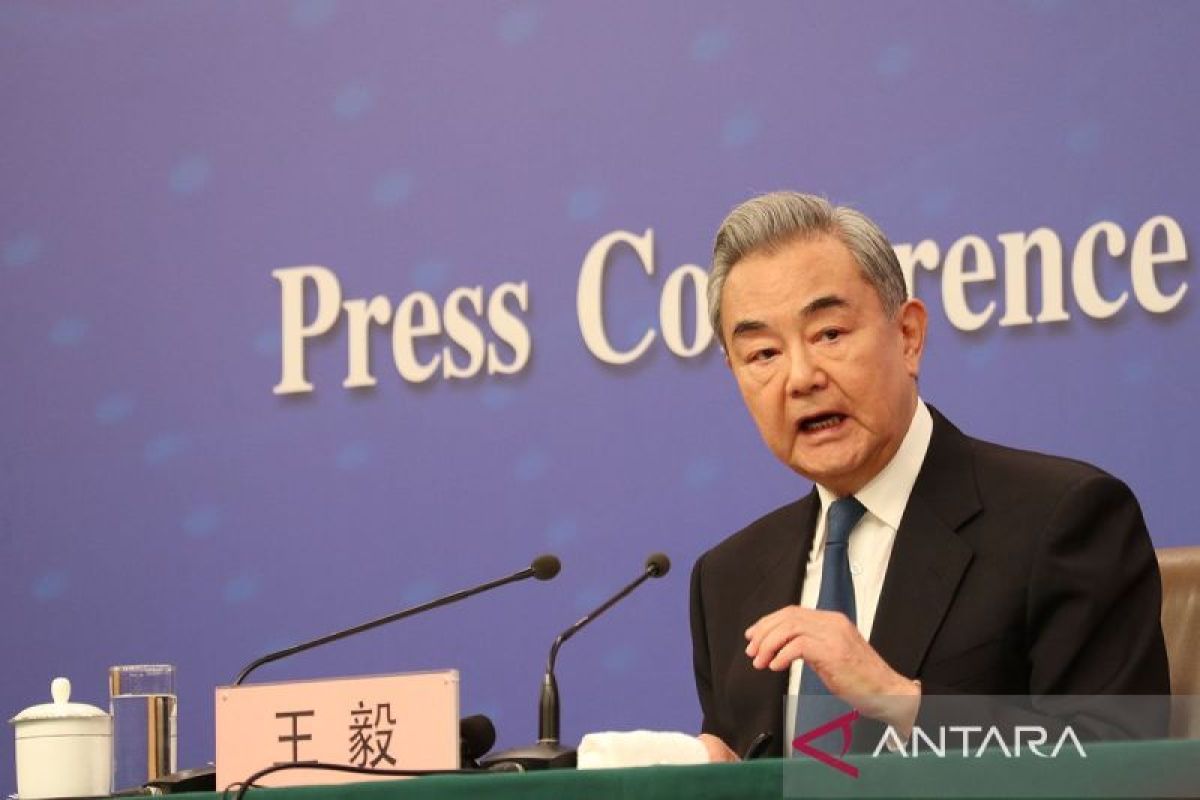
Beijing, Beijing — Foreign Minister Wang Yi has urged countries in the Global South to safeguard the spirit of multilateralism. “Multilateralism is a ‘protective talisman’ for Global South countries. We must encourage the international community to practise true multilateralism, uphold a UN-centred international system and a rule-based international order,” Wang Yi said at a press conference on China’s ‘Diplomatic Policy and Foreign Relations’ in Beijing on Sunday.
According to Wang Yi, under a multilateral system, states adhere to the principle that world affairs are discussed by all countries, and international rules are established jointly by all nations.
“The Global South is a rising, positive force dedicated to the common good on the international stage. As the world grows more turbulent and chaotic, we must strengthen self-confidence, unite and cooperate, and together uphold peace and development while pursuing mutually beneficial cooperation,” he added.
Global South cooperation, according to Wang Yi, can be realised through BRICS, the Shanghai Cooperation Organisation (SCO), and the Group of 77 to advocate peace and spur development.
“The collective rise of the ‘Global South’ is a conspicuous sign of a major geopolitical shift. In the last 40 years, the share of the Global South in the world economy has increased from 24 per cent to more than 40 per cent and has become a leading force in driving multipolarisation on the world stage,” Wang Yi added.
Currently, Wang Yi said, hegemony and power politics run rampant, delivering serious shocks to the existing international order. The global economy is also experiencing turbulence, and globalisation is retreating as some countries massively erect tariff barriers and sever supply and industrial chains, effectively adding more fuel to the fire and eventually harming themselves.
The Global South should strengthen communication and coordination, together safeguard its legitimate rights and interests, and open space for autonomous development, Wang Yi said.
Development in Global South nations requires an open and cooperative international environment. “We must promote inclusive and beneficial economic globalisation and keep the world economy open, firmly safeguard the multilateral trading system, share opportunities and realise mutually beneficial outcomes in openness,” he added.
China, Wang Yi noted, will steadfastly support liberalisation and facilitate trade and investment, while ensuring the stability and smooth operation of global industrial and supply chains. “China will expand high-level openness abroad, not only bearing responsibility as the ‘world’s factory’ but also playing a role as the ‘world market’,” he affirmed.
“Global South” is the term used to group countries by social, economic and political characteristics. According to the United Nations Conference on Trade and Development (UNCTAD), the Global South broadly includes Africa, Latin America and the Caribbean, Asia (excluding Israel, Japan and South Korea), and Oceania (excluding Australia and New Zealand).
Most Global South countries are generally identified as low-income, with high poverty rates, rapid population growth, inadequate housing, limited educational opportunities, poor health systems and a range of other challenges. The term is often equated with the ‘third world’ or new industrialised countries. The Global North, as UNCTAD broadly defines, includes North America and Europe, Israel, Japan, South Korea, Australia and New Zealand. However, the two groups do not strictly align with geographic north-south divisions, as many Global South countries lie in the northern hemisphere and vice versa.
The term ‘Global South’ emerged in the second half of the 20th century to capture criticisms of global inequality and power imbalances, highlighting colonial exploitation and the struggle for economic and political autonomy.