
Chinese Chip Company Defies the West, With Unexpected Results
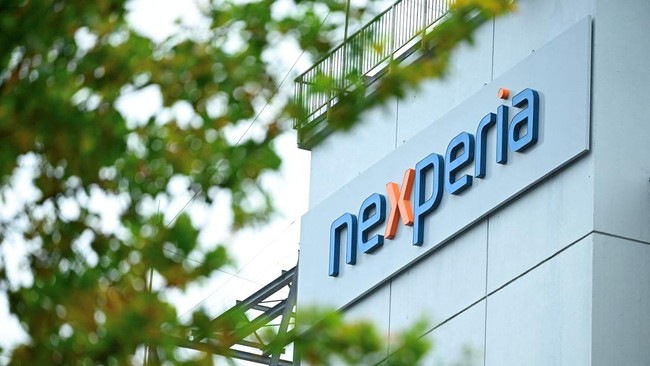
Tensions between China and Western nations have intensified in the technology sector, particularly regarding semiconductor chips. Nexperia China, a subsidiary of semiconductor firm Nexperia, has begun producing its own chips independently, a move viewed as a form of resistance against restrictions imposed by Western governments.
The company announced that it has commenced production of various chip types on its own. This action followed a prolonged dispute with Nexperia’s parent company in Europe, triggered by intervention from the Dutch government.
According to Reuters, the conflict began in October 2025 when the Dutch government attempted to prevent the company from relocating part of its operations to China. This policy escalated tensions between the European parent company and its Chinese business unit.
Prior to the conflict, Nexperia’s production chain was divided between two regions. Semiconductor wafers were manufactured in Europe and then shipped to China for processing into chips. However, after the dispute erupted, this relationship was severed.
Nexperia China even declared its independence, whilst the European headquarters halted shipments of wafers to China, citing unresolved payment issues.
Nexperia China now states it is capable of producing chips using 12-inch wafers—a technology that Nexperia’s European facility is actually unable to manufacture.
Several chips that have begun production include discrete bipolar devices, Schottky rectifiers, and electrostatic discharge protection devices, which are widely used in the electronics and automotive industries.
This move represents China’s effort to accelerate semiconductor industry independence amid increasing technology restrictions from Western nations.
Meanwhile, the specific source of the 12-inch wafers used by Nexperia China has not been clearly disclosed. However, Zhang Xuezheng, founder of Wingtech, is known to control a 12-inch wafer manufacturing facility in Shanghai called WingSkySemi, which previously collaborated with Nexperia before the conflict emerged.