
Chinese Businessman Becomes Suddenly Among Asia's Richest Due to Aluminium Boom
Jakarta – Global aluminium prices have surged sharply over recent months. The industrial metals market has become active again following supply disruptions from the Persian Gulf region, a strategically important area in global production.
Trading Economics has recorded aluminium contracts in London rising to US$3,390 per tonne in March, the highest level in nearly four years. This increase came after aluminium production in several Gulf nations was disrupted due to regional conflict. Iranian attacks on various targets in GCC countries triggered the suspension of aluminium refining activities at several industrial facilities.
The impact was immediate. Qatar halted aluminium operations run jointly with Norwegian firm Norsk Hydro.
In Bahrain, the nation’s largest aluminium producer, Aluminium Bahrain (Alba), declared force majeure and suspended metal shipments temporarily. The Gulf region currently accounts for approximately 10 per cent of global primary aluminium supply, so production disruptions directly tighten the market.
Aluminium stocks at exchange warehouses are also at low levels. Inventory at the London Metal Exchange and COMEX are recorded near their lowest points in recent years. This means every production disruption has a rapid effect on prices.
Amid this situation, market attention has turned to China. The country is the world’s largest aluminium producer. However, production expansion this year is limited. The Chinese government has set a production ceiling of approximately 45 million tonnes to restrain excess capacity in the industrial metals sector.
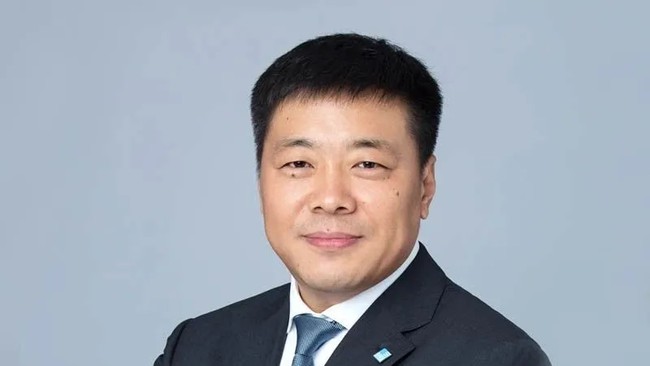
According to Bloomberg, as reported by Business Times, this situation has elevated Chinese aluminium entrepreneur Zhang Bo to prominence. He leads China’s giant aluminium producer Hongqiao Group and has become one of Asia’s largest metals billionaires with wealth of approximately US$48 billion, or roughly 809.04 trillion rupiah (US$1 = 16,855 rupiah).
The company’s value has surged since Zhang took over leadership in 2019. Hongqiao’s share price has risen approximately 585 per cent in recent years. The company supplies aluminium to several major Chinese technology firms including Huawei and Xiaomi, as well as electric vehicle manufacturer BYD.
Hongqiao’s strategy centres on controlling the raw material supply chain. The company has developed bauxite mines in Guinea since the mid-2010s. This raw material source is then processed at alumina facilities, including a plant built in Indonesia.
This production model keeps the company’s operating costs relatively low compared to competitors. Hongqiao has also relocated some smelting capacity to Yunnan province to take advantage of cheaper hydroelectric power.
Changes in aluminium demand structures have further strengthened the position of large producers. The metal is widely used in the electric vehicle industry, solar panels, and wind turbines. Demand from the renewable energy sector is increasing alongside the expansion of clean energy projects across various countries.