
Chinese and European Firms Keen to Build EV Charging Stations in Indonesia, Regulatory Relaxation Planned
Jakarta (ANTARA) - The Ministry of Investment and Downstreaming/Investment Coordinating Board (BKPM) has stated that numerous Chinese and European companies are keen to build public electric vehicle charging stations (SPKLU) in Indonesia.
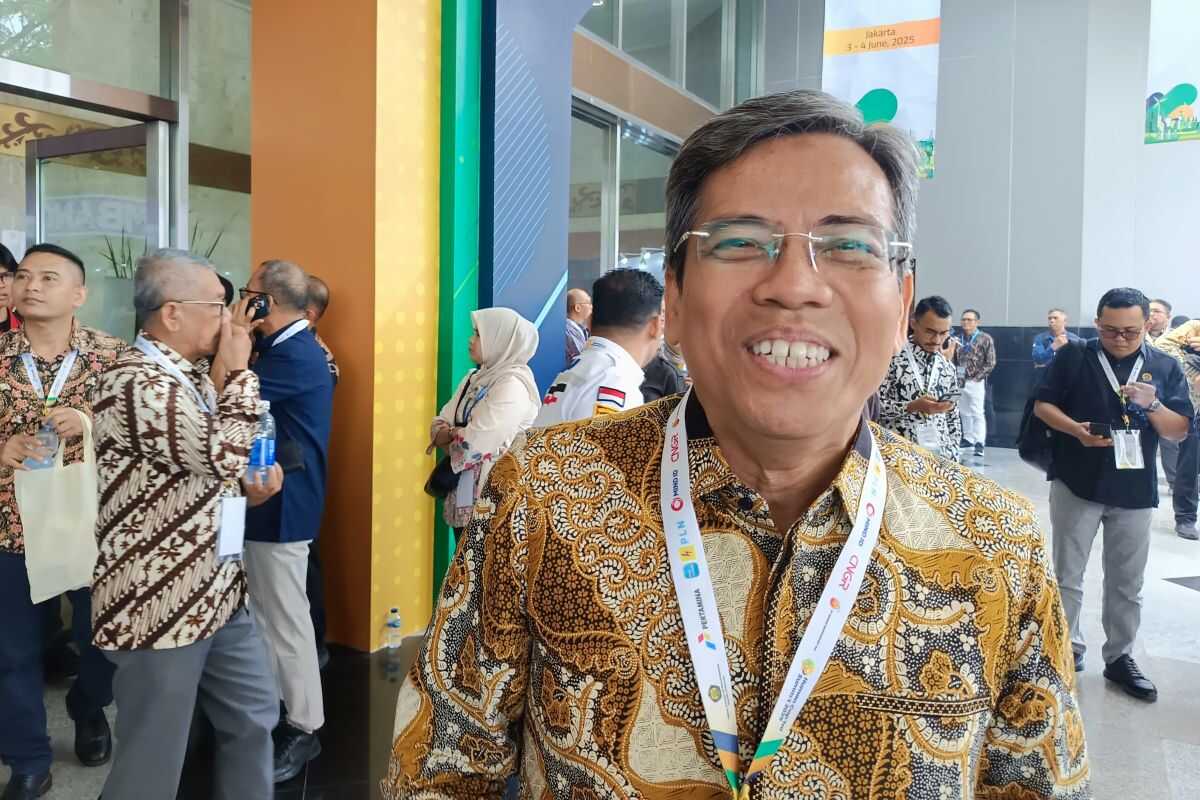
“In terms of interest in building SPKLU, there has already been considerable interest from both China and Europe,” said Deputy for Investment Promotion at the Ministry of Investment and Downstreaming/BKPM, Nurul Ichwan, in Jakarta on Tuesday.
He explained that the desire of Chinese and European companies to invest in building SPKLU in Indonesia has been hampered by regulations. Accordingly, the ministry will soon introduce regulatory relaxation to enable SPKLU investors to proceed with their investments in the country.
The regulation in question is Government Regulation (PP) Number 5 of 2021 on the Implementation of Risk-Based Business Licensing.
“Under the current regulations, every foreign investment entering Indonesia must invest a minimum of Rp10 billion per industrial point. Meanwhile, building a charging station does not require Rp10 billion. So we will introduce relaxation measures,” he said.
PT PLN (Persero) recorded that by the fourth quarter of 2024, the number of SPKLU nationwide stood at 2,667 units. This figure represents a significant year-on-year increase from the previous tally of just 624 units.
Previously, the Ministry of Industry stated that a number of Chinese and European automotive companies were looking to explore investment in electric vehicle (EV) and EV battery development, partly driven by import tariffs imposed by the United States.
Director of Maritime Industry, Transportation Equipment, and Defence Equipment (IMATAP) at the Ministry of Industry, Mahardi Tunggul Wicaksono, stated that the tariff war does not necessarily bring only negative impacts. This is evidenced by the interest of several Chinese and European companies in investing in Indonesia.