
China's US$65 Billion Investment Drives Nickel Downstreaming, But Environmental Pressures Intensify
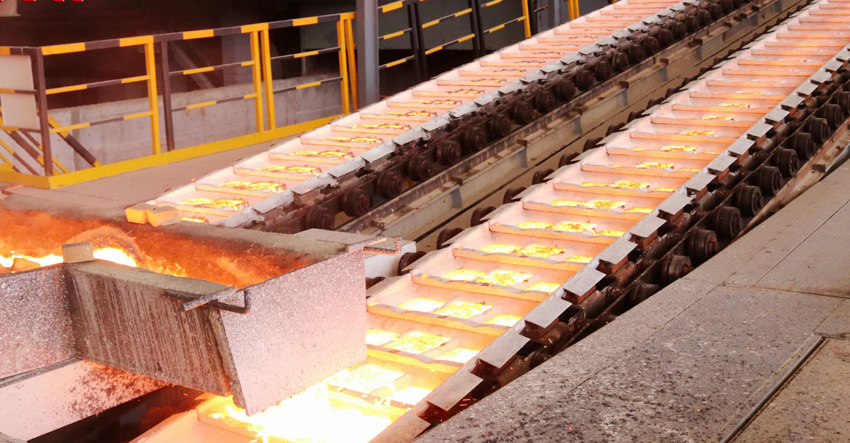
JAKARTA — A surge in Chinese investment in the critical minerals sector is driving growth in Indonesia’s nickel industry and strengthening the electric vehicle battery supply chain. However, the expansion of the nickel industry in the country, while yielding economic benefits, is also generating environmental impacts.
According to records from Climate Energy Finance (CEF), Chinese investment in Indonesia’s mining, smelting, and nickel refining sectors has reached more than US$65 billion since the downstreaming policy was enacted. This figure contributes more than half of China’s total global investment in critical minerals, which amounts to US$120 billion since 2023.
“In many Global South countries, Chinese companies are not only focused on extraction but also promoting the development of domestic processing industries and value addition. They are investing capital in supporting infrastructure, creating skilled jobs, and facilitating technology transfer in return for long-term access to strategic commodity supply chains,” said Matt Pollard, CEF’s net zero transformation analyst, in his statement, quoted on Tuesday (1/4/2026).
This major investment in Indonesia is inseparable from government policies that have banned the export of raw nickel ore since 2014, combined with industrial expansion by companies such as Tsingshan Holding Group, CATL, and Zhejiang Huayou Cobalt, making Indonesia the world’s largest nickel producer with around 22% of global reserves.
The development of industrial zones, such as the Indonesia Morowali Industrial Park (IMIP) in Central Sulawesi and the Indonesia Weda Bay Industrial Park (IWIP) in Halmahera, is also accelerating the integration of the nickel industry chain. These zones contribute to increased exports of nickel derivative products, job creation, and opportunities for Indonesia to become a manufacturing base for electric vehicles in Southeast Asia.
However, this accelerated downstreaming is also triggering environmental pressures, such as the high use of coal-fired power plants (PLTU) to supply energy to nickel smelters through captive power schemes. Additionally, there are issues related to industrial waste and the protection of community rights around mining areas.
Naomi Devi Larasati, policy strategist from Yayasan Indonesia Cerah, revealed that the capacity of coal-fired power plants built by Chinese companies in Indonesia has reached 7.7 gigawatts (GW), which is seen as contrary to energy transition efforts.
“Not to mention findings from various organisations, including Climate Rights International, which show that residents living around mining and smelter areas face serious threats to their rights to land, access to clean water, and health rights due to mining and smelter activities such as those at IWIP,” Naomi stated.
She also highlighted the ongoing dependence on foreign labour, which has not diminished. “In this situation, it is difficult to call the Chinese investment model ‘mutually beneficial’ when the social and environmental impacts borne by Indonesia are still so significant,” she concluded.
Meanwhile, Dwi Wulan Ramadani, policy strategist coordinator from Yayasan Indonesia Cerah, assessed that future investment directions need to be aligned with low-carbon energy transition principles, given the importance of using renewable energy in smelter operations, implementing stricter environmental standards, and strengthening economic benefits for local communities.