
China's Silver Imports Hit Record Nearly 800 Tonnes in Early 2026
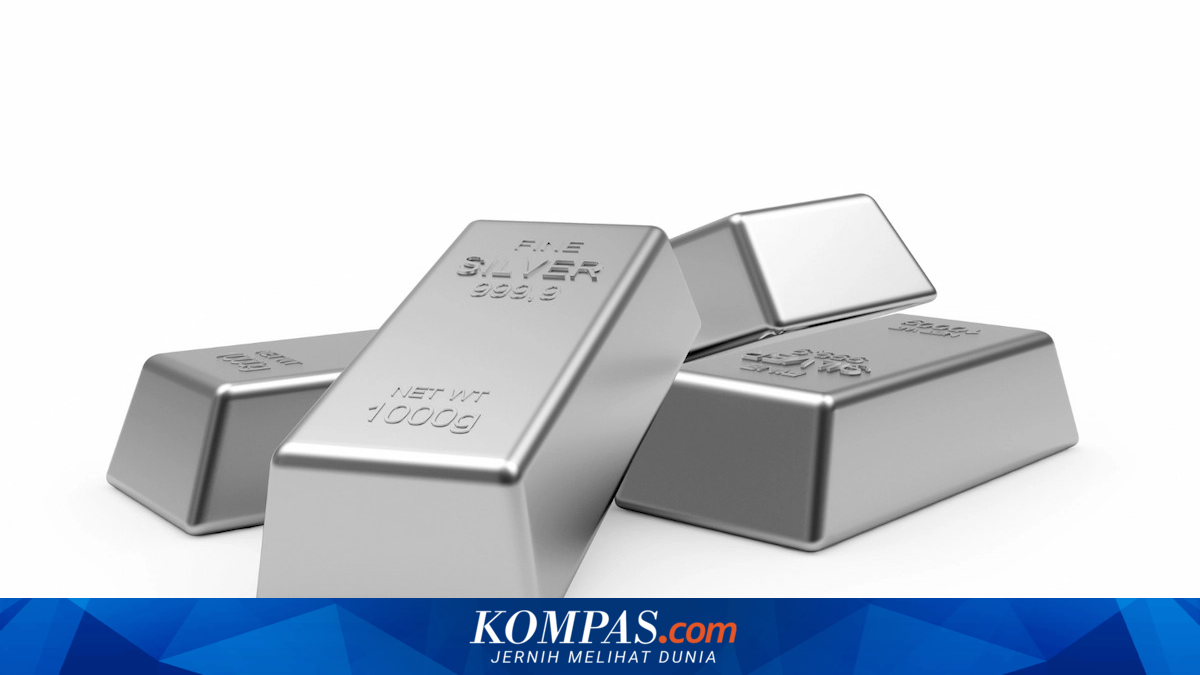
JAKARTA, KOMPAS.com – China’s silver imports have soared to the highest level in eight years during the first two months of 2026. This surge accompanies rising demand from the industrial and investment sectors, which has driven up domestic prices and depleted local supplies. Citing Golden State Mint on Sunday (22/3/2026), the latest customs data shows that from January to February 2026, China imported more than 790 tonnes of silver. This sharp increase in overseas purchases reflects the increasingly tight dynamics of China’s domestic silver market, amid high global price volatility since the start of the year. Strong local demand is the primary factor behind the increased imports of the precious metal. Demand from the industrial and investment sectors has pushed silver prices in China’s domestic market far above global references. This situation has caused reserves of silver on the domestic exchange, which were already thin, to become even more depleted, thus prompting market players to ramp up purchases from abroad. 2026 is described as one of the most volatile periods for silver prices. The silver spot price once reached a nominal all-time high of around $121.62 per ounce on 29 January 2026. However, the price then fell by nearly half to around $64 per ounce in just about a week, on 6 February 2026. This sharp price movement reflects the market’s sensitivity to changes in investment demand, capital flows, and regional supply dynamics. They assess that increasingly thin inventories have created conditions vulnerable to a “squeeze” phenomenon, where price rallies can accelerate as investment flows absorb the remaining metal in global storage vaults. “Thinner supplies have created conditions for a squeeze, where price rallies intensify as investor flows absorb the remaining metal in London vaults and reverse sharply when shortages ease,” wrote Goldman Sachs analysts Lina Thomas and Daan Struyven. According to them, the current price turbulence is not caused by a global silver shortage, but rather by local supply barriers that distort market mechanisms.