
China's Huayou Replaces LG Energy Solution as Lead Consortium Partner in Indonesia's US$9.8 Billion EV Battery Project
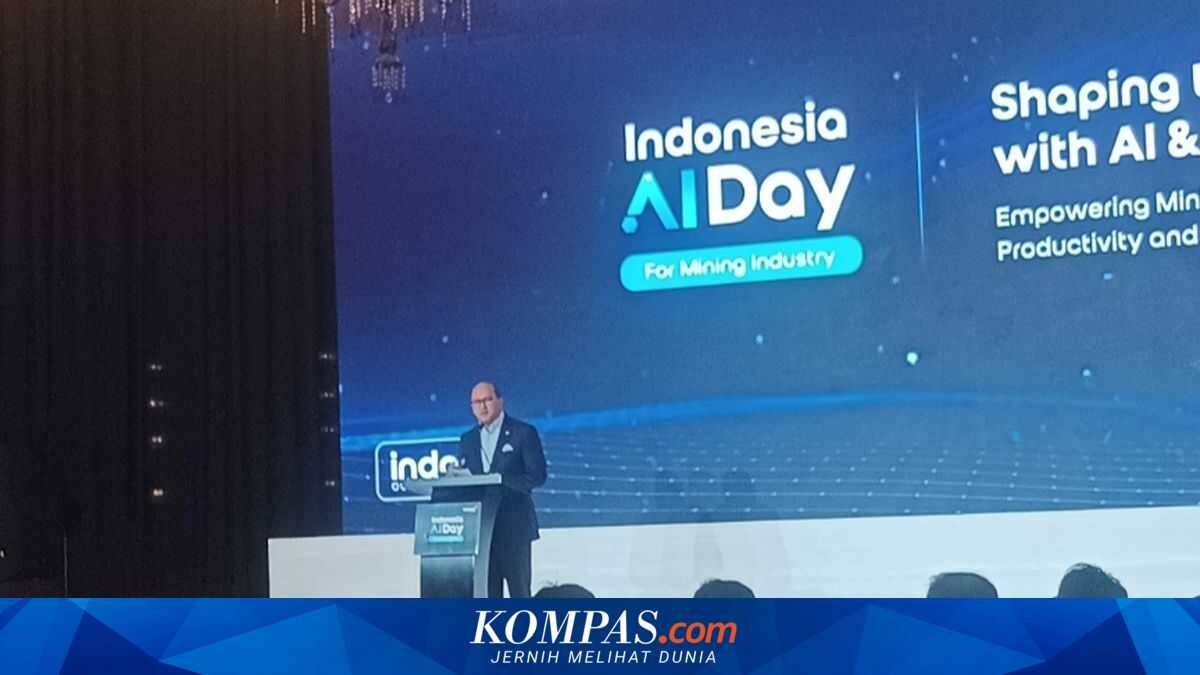
JAKARTA — South Korean company LG Energy Solution has withdrawn from the electric vehicle (EV) battery project in Indonesia. However, the government has confirmed the project will continue as LG’s position has been taken over by Huayou, a Chinese company.
Minister of Investment and Downstreaming/Head of the Investment Coordinating Board (BKPM) Rosan Roeslani said Huayou was fundamentally already part of the larger ecosystem of the EV battery project consortium in Indonesia. With LG’s departure from the consortium, Huayou has assumed LG’s position in developing the US$9.8 billion (approximately Rp 142 trillion) Titan Project.
“We have already met with Huayou. I myself have also met with Huayou, and it has been very, very positive. They have been part of the LG consortium since 2024. So actually, within the LG consortium, Huayou was already there previously,” Rosan said at a press conference at the Presidential Office in Jakarta on Wednesday (23/4/2025).
“So they are now becoming the leading partner of this consortium,” he affirmed.
According to Rosan, Huayou was chosen to replace LG because the company had previously invested in Indonesia. The lithium-ion energy battery research and development company had even committed a larger amount of capital, he said.
Without specifying the investment amount, Rosan noted that Huayou had previously invested in Weda Bay.
“They already have a very thorough understanding, and at the same time already have the sources for future development. That is why Huayou has been brought in to replace LG,” he explained.
The investment forms part of the ‘Indonesia Grand Package’ project, which develops a nickel-based EV battery ecosystem from upstream to downstream, agreed upon since 2020.
Rosan noted that LG had already completed a portion of its investment amounting to US$1.1 billion out of the planned total investment of US$9.8 billion. According to him, LG did not continue its investment in the project due to protracted negotiations spanning five years, whereas the government wanted the investment realisation process to proceed swiftly.
“The negotiations have dragged on for too long, whereas we want everything to proceed well and quickly. Since the negotiations have been going on for five years, it simply wasn’t feasible,” he said.
Meanwhile, Huayou from China had already expressed interest in investing in EV battery development. The government therefore decided to have Huayou replace LG’s position in the project.
“We also recognise that we want this investment to proceed. Therefore, the decision was made for this project to continue but with a different partner,” he said.