
China's Foreign Minister Wang Yi Sets Out Five Principles for Iran Peace, Urges Ceasefire
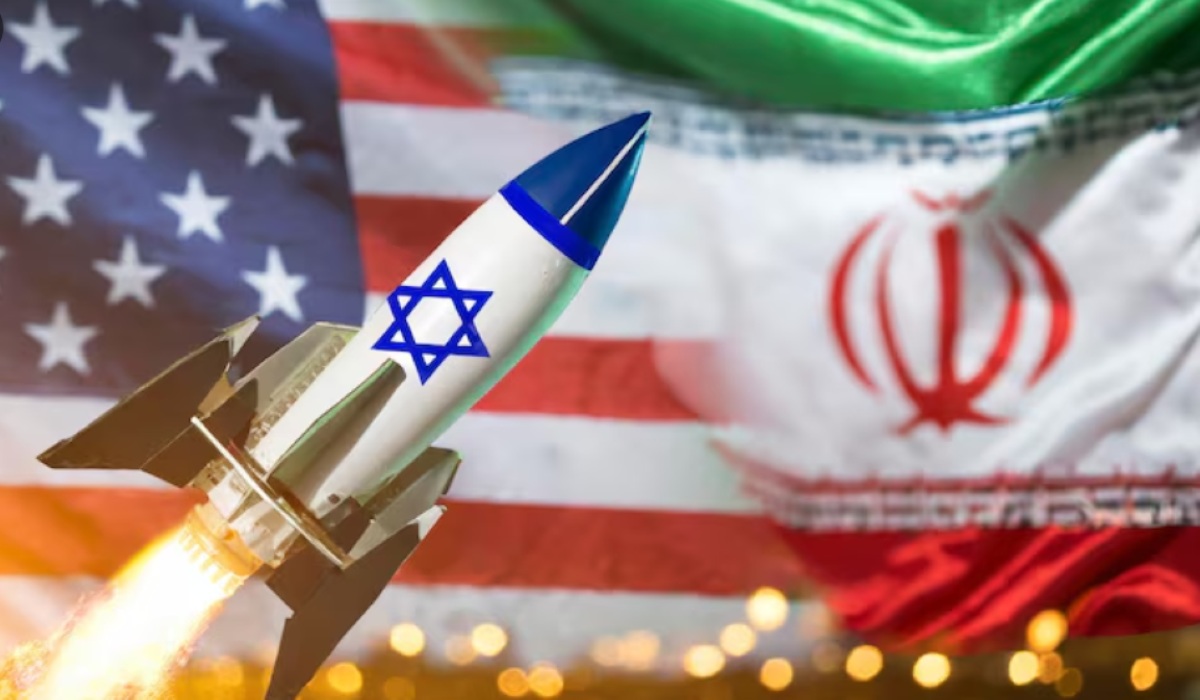
Beijing’s Foreign Minister Wang Yi stressed that achieving a ceasefire is the top priority in addressing the Iran crisis, and that military force is not a permanent solution for stability in the Middle East. In official remarks, he said: ‘Our principled position on the Iran issue can be summarised in one sentence: a ceasefire and an end to the war. As the ancient Chinese proverb goes, weapons are instruments of misfortune and should not be used without careful consideration.’ He spoke at a briefing on China’s diplomacy and foreign policy in Beijing on Sunday, 8 March 2026.
Commenting on the major escalation in the region, Wang Yi said the war should not have broken out. History shows that armed confrontation only generates new cycles of hatred. ‘War does not benefit any side. Military power is not a way to resolve problems. Gun battles merely add new hatred and trigger new crises,’ he said. China urged an immediate halt to military operations to prevent further escalation and to stop the war from spreading beyond the region.
In addressing the Iran crisis and Middle East dynamics, Wang Yi outlined five basic principles that the international community must uphold. As a strategic partner, China expressed readiness to implement the Global Security Initiative to restore calm to the people in the Middle East.
Conditions in the region have heated up after the United States and Israel launched air strikes on Iran on 28 February 2026. The strikes tragically killed the Supreme Leader Ayatollah Ali Khamenei and at least 926 civilians.
US President Donald Trump had previously stated that the operation aimed to prevent the development of Iran’s nuclear weapons and to install leadership considered rational in Tehran. In response, Iran launched drone and missile strikes targeting US military assets in Israel and in the Gulf region.
Wang Yi’s remarks signal Beijing’s readiness to take a more active mediating role in cooling the increasingly tense global geopolitical climate.