
China's Five-Year Energy Strategy to Redraw Asia's Energy Map
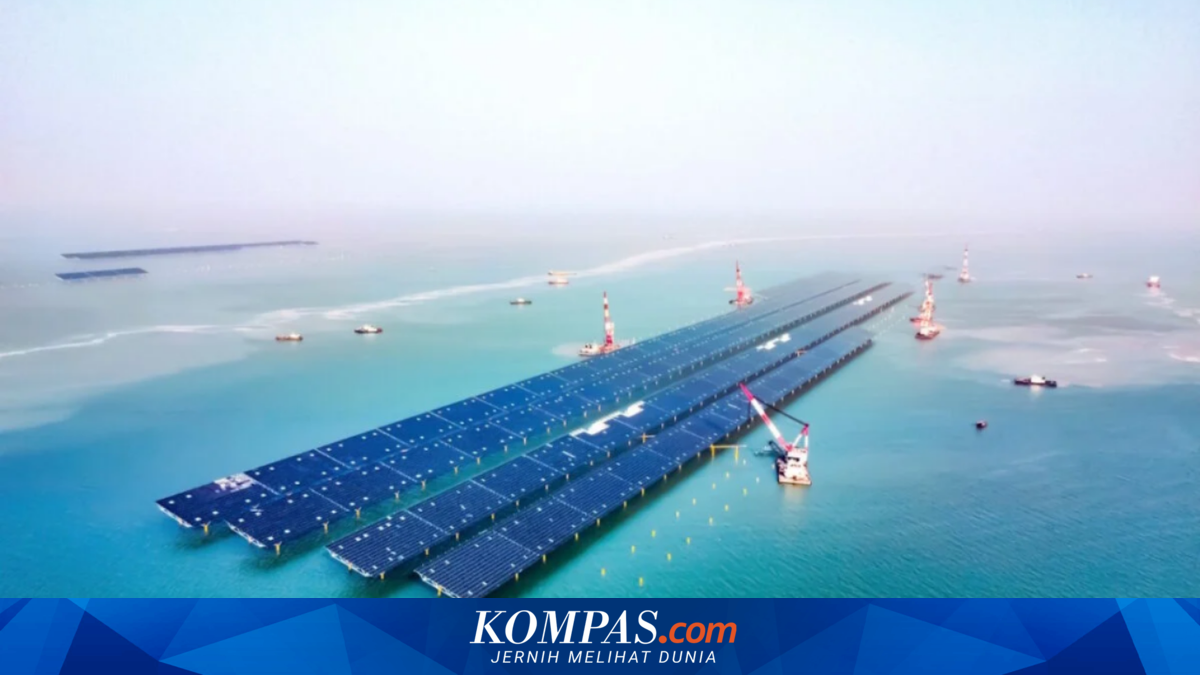
For decades, the heart of China’s industry has throbbed thanks to the flow of ‘black gold’—oil and gas—traversing thousands of miles from berths in Kalimantan or ports in Australia. However, in the five-year plan Beijing has just released, the dependency narrative is being aimed to be broken. China no longer wants its bread-and-butter fate dictated by tanker ships vulnerable to interdiction at sea or commodity prices steered by global markets. Beijing is now building what could be called a ‘Great Wall of Electricity’. This latest energy strategy is not merely about solar panels or wind turbines, but a systematic effort to shield the economy from external shocks. Under the direction of the National Energy Administration (NEA), China’s new energy strategy divides its territory into several large regions. The arid, windy West—such as Xinjiang and Inner Mongolia—is to be made into a giant energy factory through massive-scale solar and wind power generation. Meanwhile, the East, a centre of economic activity and intensely energy-hungry, is being encouraged to achieve energy self-sufficiency of up to 70 percent. This area relies on long-distance transmission that is vulnerable or expensive maritime imports. By building advanced-generation nuclear power plants and offshore wind farms along the eastern coastline, Beijing seems to want to ensure that if geopolitical conflict or maritime blockades occur, its manufacturing plants keep running. Historically, China’s energy mix has been dominated by coal. Almost 60 percent of electricity still comes from this fossil fuel. Yet the transition is being pushed at a rapid pace, unsettling some Western powers that dominate energy routes. China now leads the world in green energy capacity. However, policy planners in Beijing are not naïve. Coal is not being discarded outright, but repurposed as a ‘bumper’ or strategic reserve when the sun does not shine or wind drops. The strategy combines visionary green ambition with sensible economics. Here one can see how Beijing attempts to tame the ‘Energy Trilemma’—the classic challenge of balancing energy security, affordability (equity), and environmental sustainability. For China, the trilemma is directly linked to survival and national stability. In recent years, China has felt the bite of global energy price shocks due to the Ukraine conflict, extreme weather that crippled hydropower in Sichuan, supplies from Venezuela being raided by the United States, and now Iran under renewed pressure from Washington.