
China's Bold Move: Firing Employees for AI Replacement Deemed Illegal
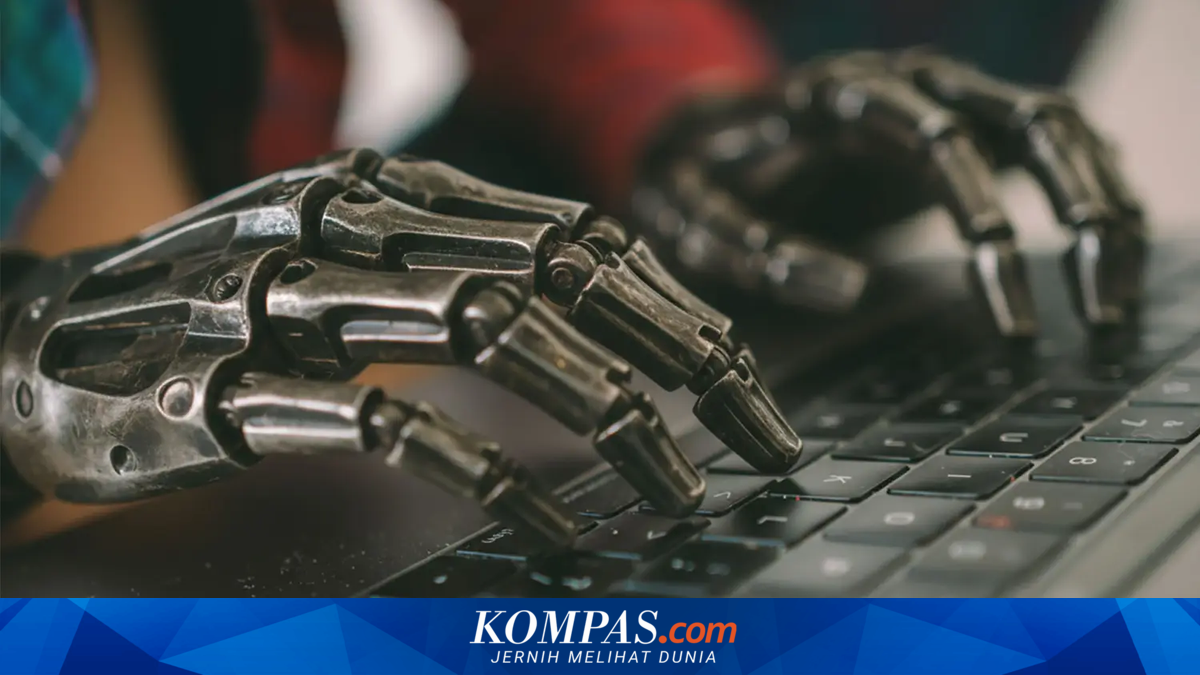
Amid trends of companies shifting to AI and cutting staff, China has deemed such practices illegal. The Chinese government is taking a more protective approach towards workers, differing from global trends, particularly in the United States, where AI adoption often accompanies workforce efficiencies, raising concerns that AI could replace human roles across various sectors. In a recent ruling by a court in Hangzhou, China, it was established that companies cannot dismiss employees on the grounds that their jobs have been replaced by AI-based automation. This case arose after a technology worker named Zhou joined a company as a quality assurance supervisor in 2022. However, as technology advanced, the company began using its own AI model to take over Zhou’s duties. He was offered a lower position with a 40 per cent salary cut. Upon refusing, his contract was terminated on the grounds of “organisational restructuring.” The matter drew attention, with many questioning whether replacing workers with AI could be considered a “major change in objective circumstances” under Chinese labour law. “Major changes and objective circumstances” typically refer to significant situations such as mergers or company relocations. However, the company argued that AI usage was a legitimate reason to alter an employee’s work status, though in practice, such steps are seen more as internal business decisions rather than major changes beyond the company’s control, like mergers or acquisitions. Ultimately, the court concluded that using AI to replace workers cannot be categorised as a “major change” justifying contract termination, as reported by Xinhua. Furthermore, offering alternative employment or demotion with significant salary reductions is not considered a “reasonable reassignment.” The court also affirmed that companies benefiting from AI efficiencies still have social and legal responsibilities towards human employees. Moreover, the court stated that AI should be utilised to enhance efficiency and worker welfare, not to fully replace them. “Companies can adapt to this trend (AI), but they must also consider employees’ rights and interests, and cannot use technological changes as an excuse for unilateral salary reductions and contract terminations,” the court ruling quoted.