
China warns of dangers of AI use in US strikes against Iran
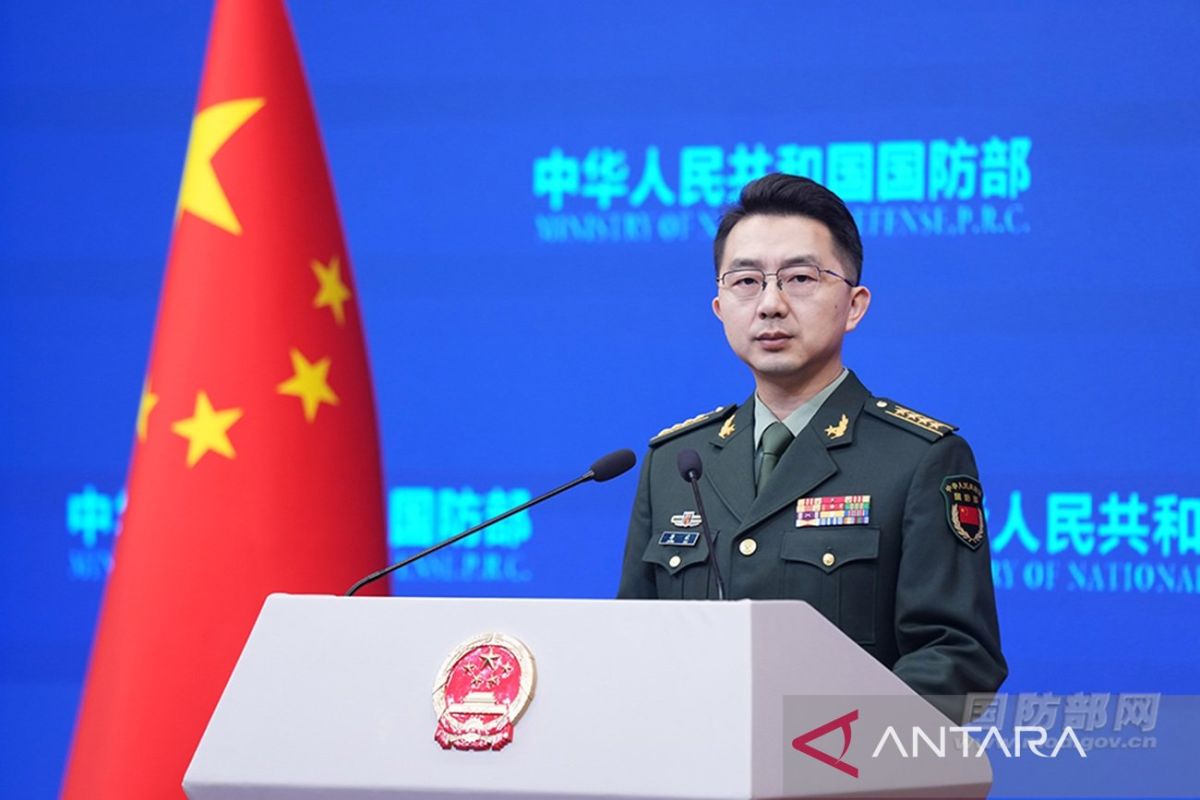
Beijing — China’s Defence Ministry has warned of the dangers of using artificial intelligence (AI) without restrictions for military purposes, including in US strikes against Iran.
China’s Defence Ministry spokesperson Jiang Bin stated on Wednesday (11 March) that AI poses a risk when used as a tool to violate other nations’ sovereignty, influence military decisions, and delegate life-and-death authority to algorithms.
“This will not only erode the ethics of warfare and accountability mechanisms, but could also cause technology to spiral beyond control,” he said.
The US military has confirmed the use of various AI tools in operations against Iran. US Central Command (CENTCOM) chief Brad Cooper stated on Wednesday (11 March) that AI has enabled US forces to process vast amounts of data that previously took days to analyse in mere seconds, though he added that humans always make final decisions.
This confirmation came amid growing calls for an independent investigation into the bombing of a school in southern Iran that killed more than 170 people, mostly children.
“The unrestricted military use of AI even makes the catastrophic scenarios from the American film ‘Terminator’ become reality,” Jiang Bin added.
China, according to Jiang Bin, adheres to the principle of being “human-centric and intelligence for good”.
“We have consistently held that the application of artificial intelligence in military affairs must remain human-led. We oppose the use of new technological advantages such as artificial intelligence to pursue absolute military hegemony and to harm the sovereignty and territorial security of other nations,” Jiang Bin stated firmly.
China, Jiang Bin said, is willing to cooperate with all nations globally to promote UN-centred multilateral AI governance, strengthen risk prevention and control, and ensure that artificial intelligence development always advances in directions beneficial to human civilisation.
US-Israeli strikes have killed at least 1,300 people in Iran since 28 February 2026. The Iranian Red Crescent reported on Wednesday that US-Israeli strikes have destroyed nearly 20,000 civilian buildings and 77 healthcare facilities.
One report states that the US attacked 1,000 targets in the first 24 hours using the most advanced AI ever deployed in warfare.
The “Maven Smart System” developed by technology company Palantir is said to generate information from vast amounts of classified data from satellites, surveillance, and other intelligence, helping to provide real-time targeting and target prioritisation for military operations in Iran.
Within this intelligent system is the Claude AI tool from Anthropic. The combination of Maven and Claude has created a tool that accelerates the pace of strikes, reduces Iran’s ability to mount counter-attacks, and transforms battle planning from a process that previously took weeks into real-time operations.
Anthropic itself is the first major AI company to work with classified data. Claude is said to have been “extensively used” across the Department of Defence and other security agencies to analyse intelligence and plan operations.
However, Anthropic is currently suing the Trump administration after Washington added the company to a blacklist as a “supply chain risk” hours before the strikes on Iran, effectively prohibiting it from conducting direct or indirect business with government agencies.
The Trump administration is also engaged in a public dispute with US-based AI company Anthropic after the company, which previously held Pentagon contracts, insisted that its AI model not be used for fully autonomous weapons and mass surveillance.
In the US military, this system enables a single artillery unit to perform work previously done by 2,000 personnel with a team of just 20 people.
Claude is also said to have been used in countering terrorism plots and in the capture of Venezuelan President Nicolás Maduro, but the strikes on Iran mark the first time the tool has been deployed in large-scale warfare operations.