
China Targets Japanese Firms to Prevent 'Remilitarisation'
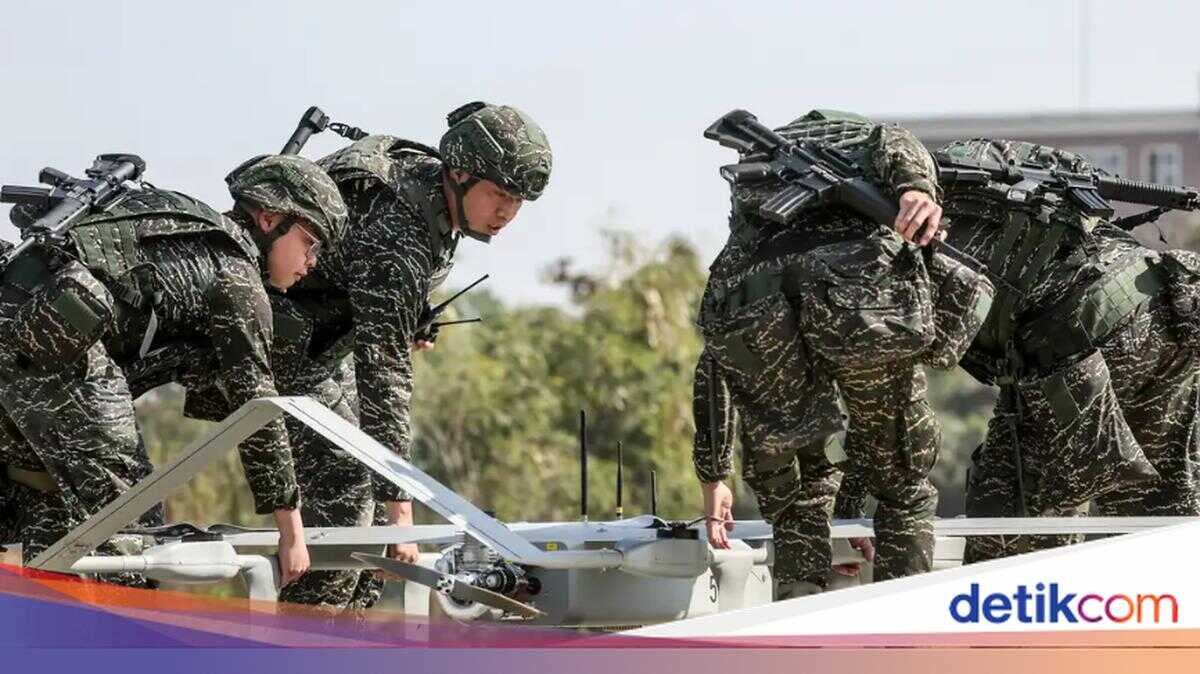
In a move that underscores months of hardening bilateral tensions, China on Tuesday (24 February) imposed restrictions on 40 Japanese companies and entities, accusing them of helping to strengthen the military capabilities of the Land of the Rising Sun.
The step did not emerge from a vacuum. The root of the dispute traces back to a statement by Japanese Prime Minister Sanae Takaichi in November, in which she declared that Tokyo could use its military force to defend Taiwan should the island come under attack. For Beijing, the remarks struck a deeply sensitive nerve.
Taiwan itself is a de facto fully sovereign island, whose security is underpinned in part by United States military support. Its founding history is tied to the exodus of the Kuomintang party from mainland China after losing the civil war to the Communists. For Beijing, the territory remains an inseparable part of its sovereign domain, in accordance with the “One China” principle.
Export channels narrowed
China’s Ministry of Commerce restricted exports to 20 Japanese entities, including companies within the Mitsubishi Group conglomerate and the Japan Aerospace Exploration Agency.
From Tuesday, Chinese exporters are prohibited from selling “dual-use” goods to those entities — a term referring to civilian products that could potentially be repurposed for military or weapons applications.
Beijing had already announced broad restrictions on dual-use exports to Japan in January. However, the latest policy is sharper: dozens of leading companies are now named specifically.
The impact was felt immediately in the markets. Shares in several affected companies fell on the Tokyo Stock Exchange. The yen also slipped 0.4 per cent to 155.27 against the US dollar.
Beyond that, a further 20 companies — including automotive manufacturer Subaru — were placed on a watchlist, meaning any exports to them will be subject to stricter scrutiny.
Beijing described the policy as a “legitimate, reasonable, and lawful” measure to curb what it termed Japan’s “remilitarisation” and nuclear ambitions. However, the Chinese government also sought to ease business concerns, stressing that entities operating “in good faith” need not worry and that normal trade would not be disrupted.
Tokyo’s response: Assessing the impact
From Tokyo, the tone of the response remained measured. A Japanese trade official told AFP that the government would “take appropriate steps” after analysing the impact of the new policy.
Signs of tension had in fact been emerging since late last year. Japanese media reported in November that China had halted seafood exports to Japan. In January, Beijing even recalled two pandas from a zoo in Tokyo — a symbolic gesture touching on the realm of soft diplomacy.
Where panda diplomacy once served as a bridge, trade has now become a tool of pressure. The Beijing–Tokyo relationship has entered a new chapter: cold, calculating, and laden with political messaging.