
China Plans Human Research Programme on Space Station
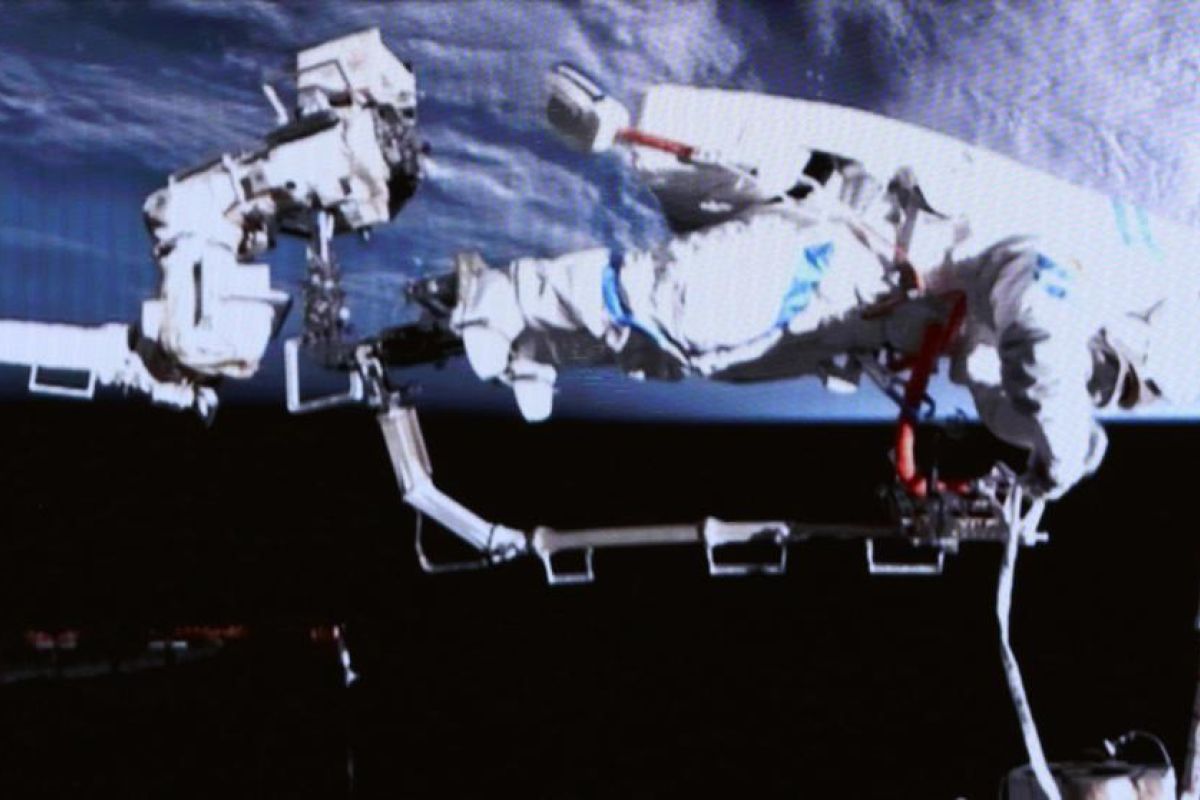
Beijing (ANTARA) - China’s Manned Space Agency (CMSA) has announced that it will open submissions for proposals for a human space research programme starting on 1 April 2026, targeting key strategic, fundamental, and visionary scientific issues related to the healthy long-term survival of humans during flights on the space station and future lunar landing missions.
The programme aims to create a human space atlas, build a human space research database, and produce a series of innovative research achievements that can provide benefits, both for the health of taikonauts on long-term orbital missions and for people on Earth.
This programme is also part of China’s efforts to accelerate the development of its aerospace strength and technological power, according to the programme guidelines released by CMSA this week.
Using human samples, organoids, and cells as research objects, the programme will study the effects of microgravity on bones and muscles, as well as the impact of long-term spaceflight and post-return conditions on the heart and blood vessels, metabolism, cognition, and ageing.
Space medicine experiments are one of the important research fields on China’s Tiangong space station, which means Heavenly Palace. Since the public call for proposals was released in June 2023, 387 projects have been submitted, and 53 of them have been carried out in the national space laboratory, according to CMSA.
China is targeting a human landing on the Moon by 2030. In addition, the orbiting Tiangong space station will receive two crews this year, and one of the taikonauts involved will undergo an orbital stay lasting more than one year. As manned long-term space missions become more frequent, ensuring the well-being of taikonauts has become a public concern.
Space medicine research also contributes to advances in public health on Earth.
According to Li Yinghui, a researcher at the China Astronaut Research and Training Center, China has achieved a number of accomplishments in this field, including completing the country’s first research on space organ chips and the world’s first research involving artificial blood vessel tissue chips. The results of these studies have provided theoretical and technological support for research on cardiovascular health, muscle systems, neurodegenerative diseases, human ageing, as well as drug protection and screening.