
China Expresses Concern Over Prabowo-Trump Agreement, Threatens to Withdraw Investments in Indonesia?
China has responded to the recently signed reciprocal trade agreement between Indonesia and the United States. Beijing’s main concern is the agreement’s provision requiring Indonesia to align its import restriction policies with those adopted by Washington towards third countries.
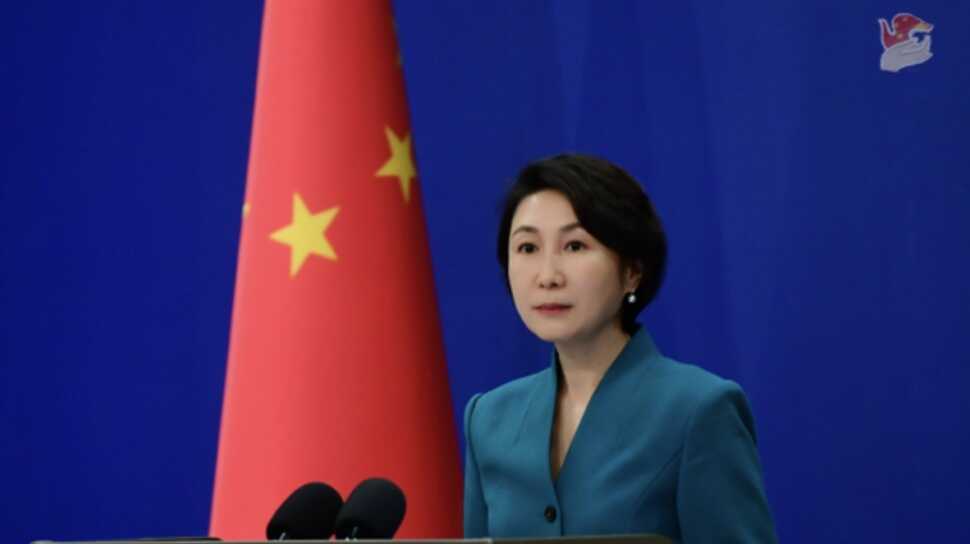
China’s Foreign Ministry spokesperson, Mao Ning, stated that international economic cooperation should not be exclusive. “China has always believed that mutually beneficial economic and trade cooperation between countries should not target any third party or harm the interests of other countries,” Mao Ning said at a press conference in Beijing on Tuesday (February 24, 2026), as quoted by Antara.
China’s concerns are based on Article 5.1 in the ART document. The clause states that if the United States imposes bans, quotas, or tariffs on third countries to protect its national or economic security, Indonesia will be notified. As a measure of adjustment, Indonesia is required to adopt or maintain restrictive measures that have an equivalent effect to those applied by the United States. In addition, at the request of the White House, Indonesia will take action against unfair practices by state-owned enterprises of third countries, including exporting at below-market prices or dumping.
The agreement, signed by President Prabowo Subianto and President Donald Trump in Washington DC on Thursday (February 19, 2026), creates new market policies between the US and Indonesia that tend to favour the US:
Zero Tariff Facilities: The US eliminates tariffs for 1,819 tariff lines of Indonesian products. Key products such as palm oil, coffee, electronic components, semiconductors, and aircraft parts can now enter the US market without tariffs.
Textile and Garment Scheme: Through the Tariff Rate Quota (TRQ) mechanism, Indonesian garment products receive a 0% tariff to the US. However, the volume depends on the amount of textile raw materials (such as cotton and synthetic fibres) that Indonesia imports from the US.
Reciprocal Tariffs: In general, the US applies an average tariff of 19 percent to Indonesian imports, except for certain products that receive exemptions.
As part of this agreement, Indonesia provides assurance to purchase energy commodities from the United States with a total value of US$15 billion (approximately Rp253.3 trillion). This purchase includes:
Crude Oil: US$4.5 billion.
Refined Gasoline: US$7 billion.
Overall, the total value of the trade and investment cooperation agreed upon by the two countries reaches a fantastic US$38.4 billion, or approximately Rp649.42 trillion.
Meanwhile, it is worth noting that China’s investment in Indonesia is one of the largest nationally, with a cumulative value of US$36.4 billion (approximately Rp578 trillion) from 2019 to early 2025. The main focus of investment is on downstream industries (metals, EVs), infrastructure, energy, and property, with green investment commitments reaching Rp3.9 trillion and additional new commitments worth US$7.5 billion.