
China Develops Electric Vehicle Battery That Can Fully Charge in 11 Minutes
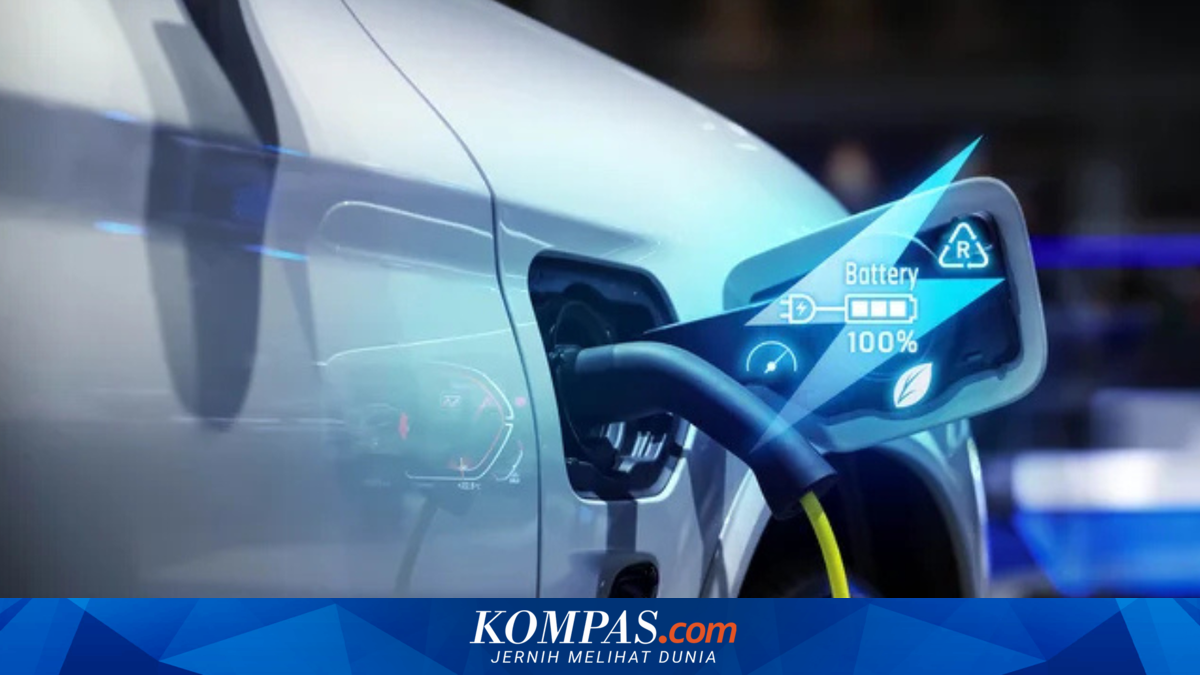
Charging an electric vehicle battery typically takes around 30 minutes or more. However, a new technology developed by a Chinese automotive company now allows batteries to fully charge in just about 11 minutes.
The company is BAIC (Beijing Automotive Group), which has developed a new type of sodium-ion battery. This battery is claimed to charge much faster than conventional batteries.
One key aspect is the 4C fast-charging technology. Simply put, this means the charging process can be up to four times faster than normal charging.
In addition to fast charging, this sodium-ion battery has other advantages, such as performing well in extremely cold or hot temperatures. Even, its performance degradation is said to be smaller compared to the lithium batteries commonly used today.
BAIC states that its battery can be used in extreme temperatures, from -40 degrees Celsius to around 60 degrees Celsius.
This is important because electric vehicle batteries generally weaken quickly when used in cold temperatures.
Moreover, from internal testing results, this sodium-ion battery has also proven to be safe and stable even at very high temperatures, up to around 200 degrees Celsius.
Although the sodium-ion battery has several advantages, it still has drawbacks. One of them is energy density, which is how much energy can be stored compared to the battery’s weight.
From internal test results, the BAIC-made battery prototype has an energy density of around 170 Wh/kg.
This figure is still lower than the commonly used lithium batteries, which typically range from 200 to 300 Wh/kg. This means that for the same size, lithium batteries can store more energy.
For comparison, CATL’s sodium-ion battery, which will be used in the Nevo A06 electric vehicle, has an energy density of up to 175 Wh/kg, slightly higher than BAIC’s.
To address this shortcoming, BAIC is developing technology to enable its battery to store more energy and last longer when used repeatedly.
The company has also filed around 20 patents covering various aspects, from design, materials, production processes, to testing methods, as gathered by KompasTekno from BGR.
Although this fast-charging battery technology is still in the prototype stage, BAIC states that the validation process for mass production has been completed.
From circulating rumours, the first mass-produced electric vehicle with a sodium-ion battery is scheduled to launch in the Chinese market in mid-year or around June - July 2026.