
China criticises global dominance, urges respect for Iran's sovereignty
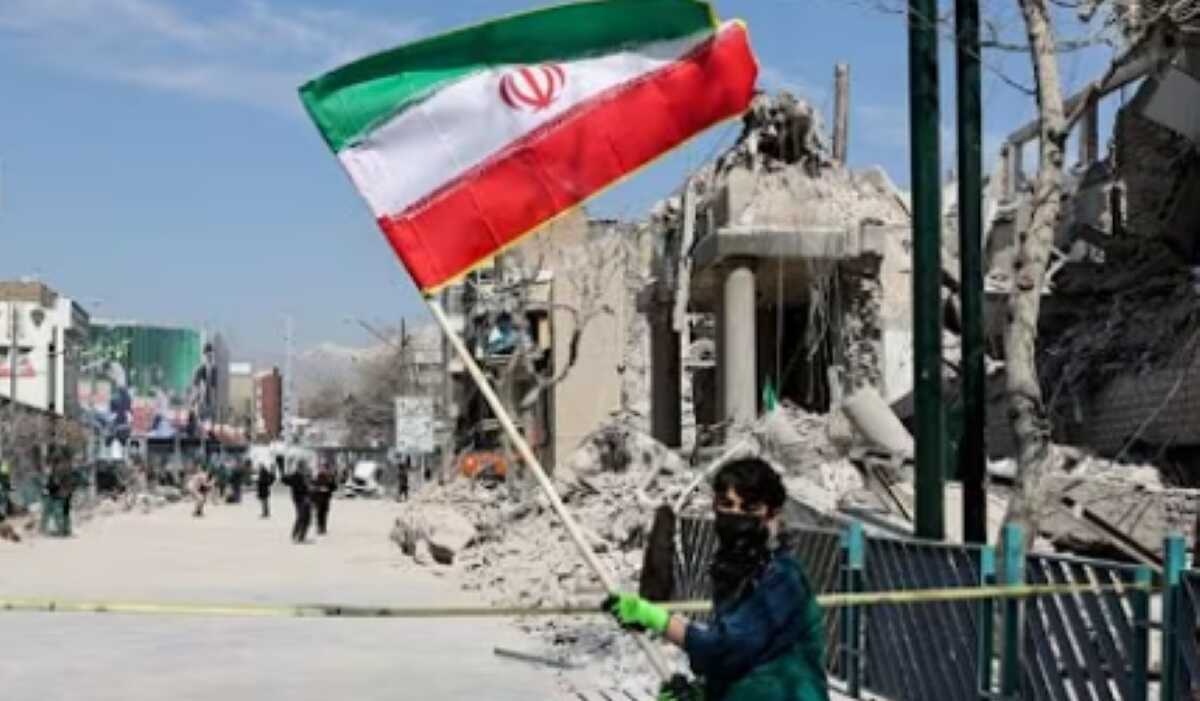
Spokesperson of the National People’s Congress of China, Lou Qinjian, emphasised that no country has the right to dominate international affairs or determine the fate of other states. The statement was delivered amid rising global geopolitical tensions, including the conflicts in the Middle East and increasingly complex dynamics in international relations. Lou urged all parties to respect national sovereignty and to comply with international law. He also touched on the Global Governance Initiative proposed by President Xi Jinping, describing it as China’s solution to build a fairer and more balanced international system. “No country has the right to dominate international affairs, dictate the fate of other countries, or monopolise the advantages of development, let alone impose whatever it desires on the world,” Lou said at a press conference ahead of the opening of China’s parliamentary session. He did not mention any country by name. However, his remarks came in response to a Turkish journalist’s questions about concerns in the international community regarding rising unilateralism and the weakening of global governance institutions. The journalist also referred to several recent global developments, including the United States’ and Israel’s attacks on Iran, the detention of Venezuela’s president by Washington, and US President Donald Trump’s talk of seizing Greenland. Lou said Beijing is closely watching the situation in Iran and called for an immediate halt to military operations and a return to diplomatic dialogue. “Sovereignty, security, and territorial integrity of Iran must be respected,” he said. He assessed that the world is at a pivotal turning point. In the past year, he said, economic globalization has faced substantial pressures, while cross-border conflicts have become more frequent. “In facing a changing and volatile world, peaceful development and mutually beneficial cooperation are the only way out,” Lou said. He emphasised that the Global Governance Initiative launched by Xi at last year’s Shanghai Cooperation Organisation summit aims to promote sovereignty equality, adherence to international law, multilateralism, and a people-centred approach. According to Lou, the idea offers China’s solution to creating a fairer global governance system. He also stressed the importance of strengthening the role of the United Nations. He said the organisation was formed after two world wars and remains a cornerstone of international cooperation. “More than 80 years of practice has shown that the United Nations’ role can only be strengthened, not weakened, and its status should be maintained, not replaced,” he added. Lou added that China is ready to work with other countries to strengthen a rules-based international system. The press conference also addressed various domestic issues, including the government’s plans to boost domestic consumption and improve the welfare of society. Lou said that China’s retail sales of consumer goods last year surpassed 50 trillion yuan, or about 7.2 trillion US dollars, with consumption contributing more than half of the country’s economic growth. “We will continue to expand domestic demand, increase the supply of goods and high-quality consumer services, optimise policies exchanging old goods for new, and create more diverse consumption scenarios,” Lou said. He added that the government would also raise public services such as child care, health care, and elder care to ease concerns about household expenditure. The NPC session opened on Thursday and runs alongside the meeting of the country’s top political advisory body. The two bodies—known as the Two Sessions—are the annual important political agenda in China. This year’s gathering also marks the start of formulating the 15th Five-Year Plan, which will frame the country’s policy development through 2030. “The period of the 15th Five-Year Plan will be a critical phase as China seeks to strengthen its foundations and push forward on all fronts toward the realisation of socialist modernisation,” Lou concluded.