
China Copies Future Unreleased iPhone Technology
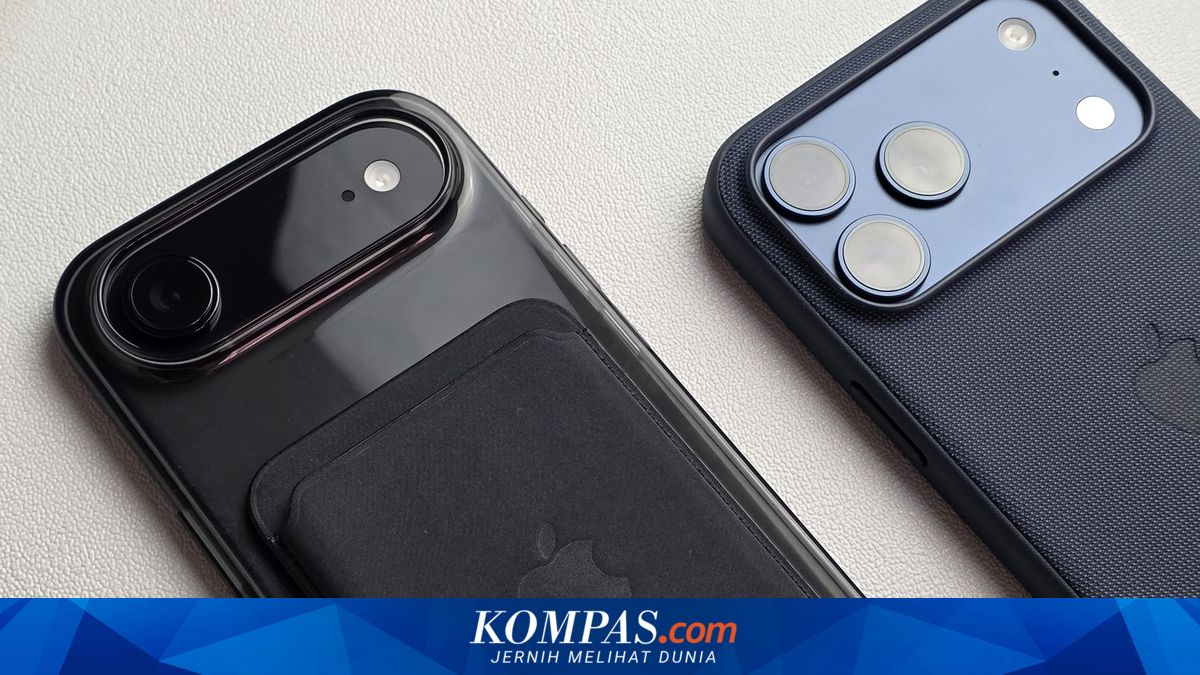
Concept iPhones that have not yet been released to the market are reportedly already being “copied” by Chinese smartphone vendors. Several reports claim that Apple is preparing a special iPhone edition in 2027 to celebrate the 20th anniversary of its phone line. The device is rumoured to feature a futuristic screen design called “Liquid Glass Display”. This technology is said to present a screen that curves on all four sides, creating an effect where the bezel nearly disappears. With this approach, the screen display will appear full and seamless, without clear boundaries between the screen and the body. This design is not merely a standard curved screen. Based on leaks, Apple combines optical techniques such as light refraction with a special structure to create a visual illusion, making the screen edges appear to merge with the device’s frame. However, before this iPhone truly arrives, Chinese vendors are reportedly moving first to adopt a similar concept. One of them is Oppo. This Shenzhen-based vendor is said to be preparing a flagship phone with a screen design similar to the Liquid Glass Display. Its screen is rumoured to remain flat but have a subtle curve on all four sides to create a visual effect of a bezel-less screen that appears “floating”. This phenomenon is actually not new in the smartphone industry. Chinese Android vendors often quickly adopt design trends from Apple. However, this time it is considered different because the copied design is still limited to rumours, not a final product that has been released. If Chinese vendors launch devices with this concept first, they have the potential to precede Apple in bringing the next-generation screen experience to the market, as compiled by KompasTekno from WCCFTech. Nevertheless, the main challenge of this technology is estimated to lie in production costs. Screens with super-thin bezel effects require complex technology that is not cheap, especially amid fluctuating prices of components like DRAM. In addition to the hardware side, the software approach is also starting to be imitated. Several Android vendors are reported to have introduced interface effects in the style of “Liquid Glass”, complete with transparent animations and distinctive iPhone visuals. Apple itself has previously introduced the Liquid Glass interface design, which is widely applied across its various operating systems, from iOS and iPadOS to macOS.