
China Cooperation Expands HPV Vaccine Access for Indonesian Women
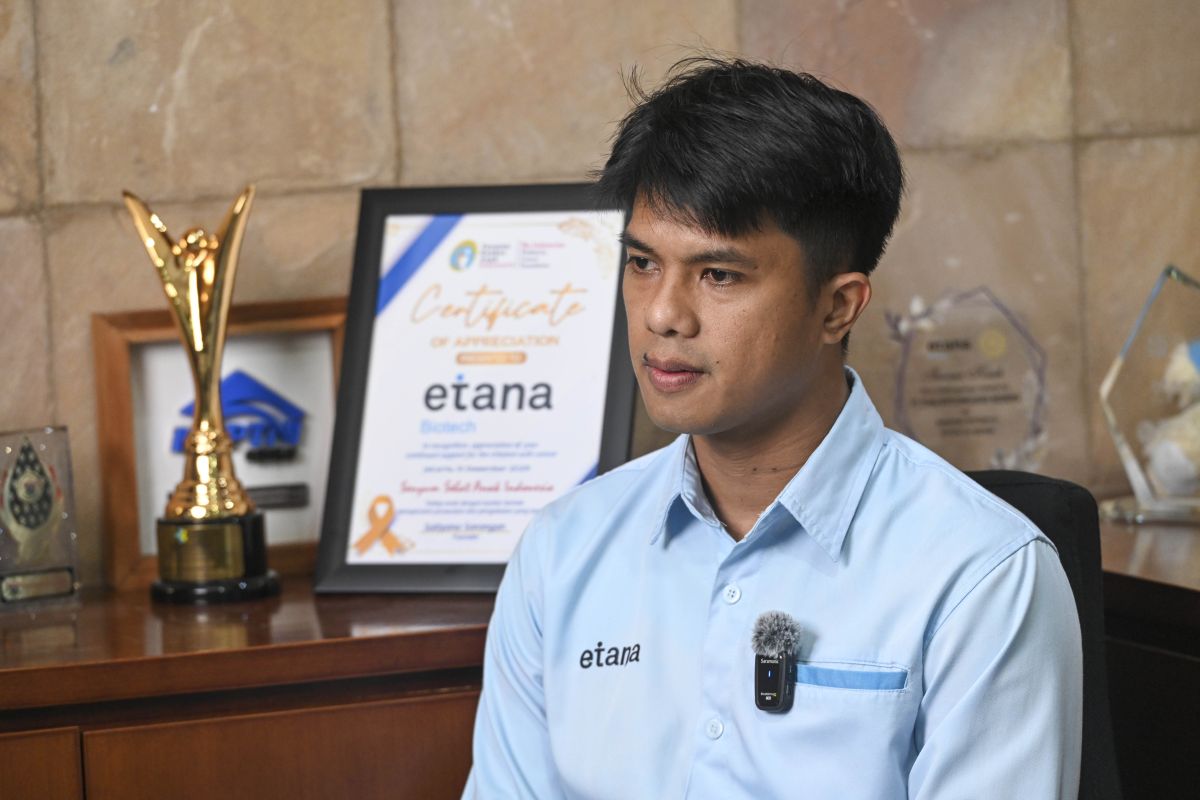
Jakarta (ANTARA) - As an Indonesian mother with a daughter, Ita has always believed that every young woman deserves the opportunity to receive the HPV vaccine, and the earlier, the better. Her daughter, Alena, who received the vaccine at school, said that protection from an early age is very important, reflecting the growing awareness of HPV prevention among the younger generation. “The HPV vaccine is very important for women in Indonesia because it can protect us from cervical cancer,” said Ita. However, for many families, affordability and availability of the vaccine remain significant barriers. Across the world’s largest archipelago, those striving to protect their daughters often face three challenges at once: high costs, limited supply, and uneven distribution. In a recent interview with Xinhua, Taruna Ikrar, Head of Indonesia’s Food and Drug Supervisory Agency (BPOM), mentioned that the urgency of HPV vaccination is closely linked to the cancer burden in Indonesia. Cervical cancer remains an urgent concern in Indonesia. To address this, BPOM is promoting the nine-valent HPV vaccine, which has an effectiveness rate of over 90 per cent in preventing infections. To accelerate vaccine availability, Indonesia has deepened cooperation with China through technology transfer and sharing practical knowledge, as well as forging partnerships with other international parties, said Taruna, emphasising that collaboration with Chinese biotechnology companies has played a crucial role. This partnership is also evolving into a multi-level ecosystem encompassing government, industry, and academia, thereby further strengthening Indonesia’s public health resilience, said Taruna. Vino Soaduon, Production Director of Etana, an Indonesian bio-pharmaceutical company, said that technology exchange with Chinese partners is crucial for advancing domestic production. “By building a robust quality system and working closely with our partners, we ensure that the vaccine meets global standards,” said Vino. For parents like Ita, the shift to locally produced vaccines can bring significant change. More affordable prices mean more children can be protected, while improved access and awareness will help more families take preventive action. “I would recommend this vaccine to every family,” said Ita. “If access becomes easier and prices drop, more parents will be willing to take that step for their children’s future,” she added.