
China Concerned over Japan's Shift in Defence Policy
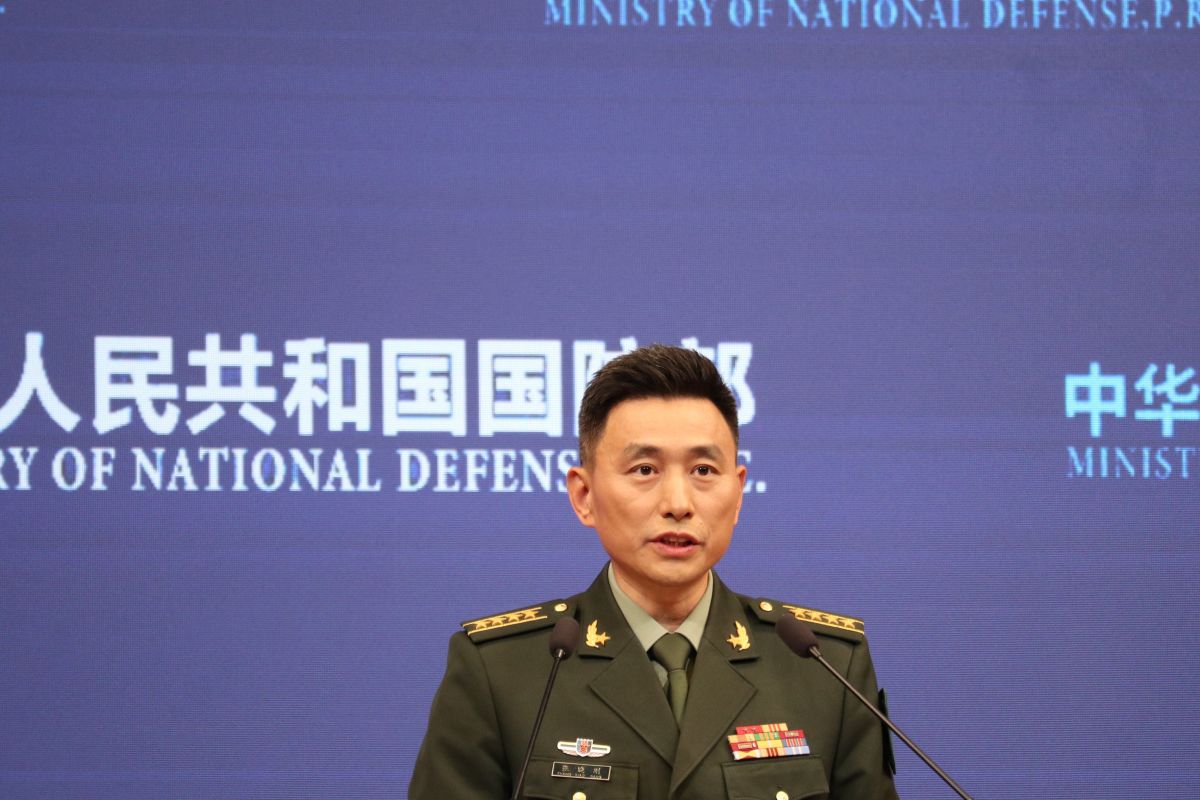
Beijing (ANTARA) - China’s Ministry of Defence has voiced concerns over changes to several defence regulations in Japan, stating that they could potentially bring disaster to the world.
“In recent times, Japan has frequently engaged in dangerous, aggressive, provocative, and testing actions in the military and security fields. They must not destroy peace and bring disaster to the world,” said Ministry of Defence Spokesperson Colonel Zhang Xiaogang during a routine press conference in Beijing on Thursday (30/4).
The Japanese government officially revised the “three principles on the transfer of defence equipment and technology” and their implementation guidelines on Tuesday (21/4) to allow the sale of weapons abroad, including those with lethal capabilities.
These changes have been approved by the Cabinet and the National Security Council.
“Moreover, Japan’s efforts to revive military ranks from the old Japanese army, as well as plans to establish a national intelligence agency, remind us of the notoriously cruel ‘Tokko’, and this greatly wounds the feelings of the people of Asian countries,” Zhang added.
According to Zhang, Japan has gone too far down the path of “remilitarisation”.
“Will they return to being a ‘source of disaster’ for East Asia? All peace-loving people must remain highly vigilant about this and firmly prevent Japan’s regressive actions,” Zhang stated.
He also expressed concern over Japan’s defence budget exceeding 9 trillion yen.
“Various signs indicate that Japan’s right-wing forces are accelerating the transformation of security policies towards an offensive and expansionist direction,” Zhang added.
Their actions, Zhang said, seriously violate the provisions of international legal documents such as the “Cairo Declaration”, the “Potsdam Proclamation”, and the “Instrument of Surrender of Japan”, as well as seriously violating Japan’s constitution and existing domestic regulations, thereby posing a serious threat to the post-war international order and regional peace and stability.
“The history of the past is still fresh. Japanese militarism once brought great disaster to the region and the world, but after the war, it was never truly eradicated. Now Japan is truly discarding its mask and accelerating ‘remilitarisation’,” Zhang revealed.
This, Zhang said, inevitably arouses strong concerns and condemnation from the world.
“We urge Japan to stop its regressive actions and completely sever ties with militarism. Otherwise, it will only lose the trust of neighbouring Asian countries and the international community,” Zhang emphasised.
Japan’s weapons export rule revision removes restrictions limiting the export of Japanese defence equipment to five non-combat categories: rescue, transportation, warning, surveillance, and mine clearance.
Instead, defence equipment will be divided into “weapons” and “non-weapons” categories, based on whether they have lethal capabilities.
Although the revision in principle prohibits exporting weapons to countries embroiled in conflicts, it allows exceptions “in special circumstances” that consider Japan’s security needs.