
China believes the UN still needs to be defended
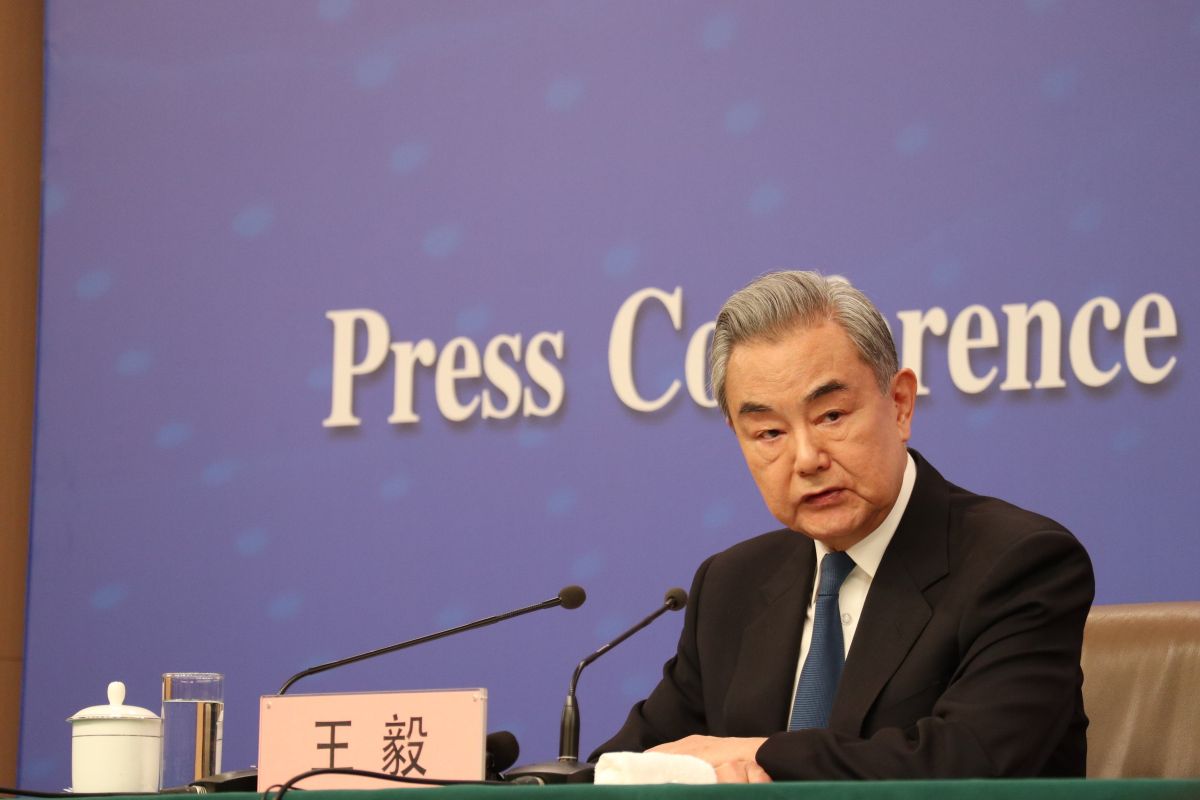
Beijing has Chinese Foreign Minister Wang Yi emphasised that the United Nations (UN) still needs to be preserved by its member states. ‘The core position of the UN must be preserved and cannot be shaken. The central role of the UN must be strengthened and cannot be weakened. Even though the UN is not perfect, without the UN, the world would be a worse place,’ Wang Yi said in response to journalists’ questions at a press conference on ‘China’s diplomatic policy and foreign relations’ in Beijing on Sunday. It is known that in January 2026, the United States withdrew its contributions from dozens of international organisations, including 31 UN bodies such as UNESCO, WHO, and the UN Human Rights Council, citing the aim of ending taxpayers’ funding and involvement in entities seen as advancing a globalist agenda above US priorities. This has caused a crisis for the finances and effectiveness of UN bodies. ‘Leaving the UN to build our own system, running our own set of rules, or even forming a cluster of small groups and circles, would not have popular support and would not be sustainable,’ Wang Yi noted. He further said that last year, China put forward the Global Governance Initiative with the idea that the UN needs to keep pace with the times, improve the governance system through reform, adapt to developments in the international situation and changes in global power, specifically increasing the voice and representation of Global South countries. ‘The UN needs to reflect more the legitimate demands of developing countries to a greater extent, with the aim of building a more fair and rational global governance system,’ added Wang Yi. China, according to Wang Yi, is a founding nation of the UN and a steadfast guardian of its objectives. ‘As the largest developing country, we are more aware of the high expectations of the Global South. The Shanghai Cooperation Organisation (SCO) and the BRICS mechanism, which were also built with China, both make adherence to the UN Charter a first principle of action, and both are gathering beneficial experiences to reform and improve global governance,’ Wang Yi said. He called on more countries to participate in and support the Global Governance Initiative. ‘Let us work together to revive the UN, safeguard the UN and strengthen the UN,’ he added. The Global Governance Initiative, according to Wang Yi, was proposed directly by President Xi Jinping at an opportune moment and immediately gained support and responses from more than 150 countries and international organisations. Evidence of this is the formation of the Friends of Global Governance group spearheaded by China, which has been established at UN Headquarters in New York and in Geneva, with many countries, especially those in the Global South, joining enthusiastically. ‘Why has the Global Governance Initiative received widespread responses? In my view, the key lies in five main ideas emphasised by the initiative: sovereignty equality, rule of international law, multilateralism, human-centred approaches, and action-oriented policies,’ Wang Yi explained. All of this is considered in line with the shared aspirations of the international community and reflects the common voice of the peoples of many countries. In February 2026, UN Secretary-General António Guterres sent a letter stating that member countries were not paying their assessments to the global body, and the UN faced a financial crisis that was ‘deeper and more threatening to programme delivery’. This situation followed the largest UN donor, the United States, refusing to fund the regular budget, the peacekeeping budget, and pulling out from several agencies, calling them ‘wasteful on taxpayers’ money’. Some other UN members were also in arrears or refused to pay. The US is the largest contributor to the UN, accounting for 22 percent, but President Donald Trump said the US was not meeting its ‘vast potential’ and criticised the UN for failing to back American-led peace efforts. The US did notpay its regular budget contribution to the UN in 2025 and offered only 30 percent of the funding expected for UN peacekeeping operations. Guterres wrote that the UN has faced financial crises in the past, but the current situation is ‘very different’. He said that the ‘integrity of the entire system’ depends on member states’ compliance with their obligations under the UN Charter to pay their ‘obligatory contributions’, noting that 77 percent of total arrears had been cleared in 2025.