
China Becomes Determinant of Iran's Oil Exports
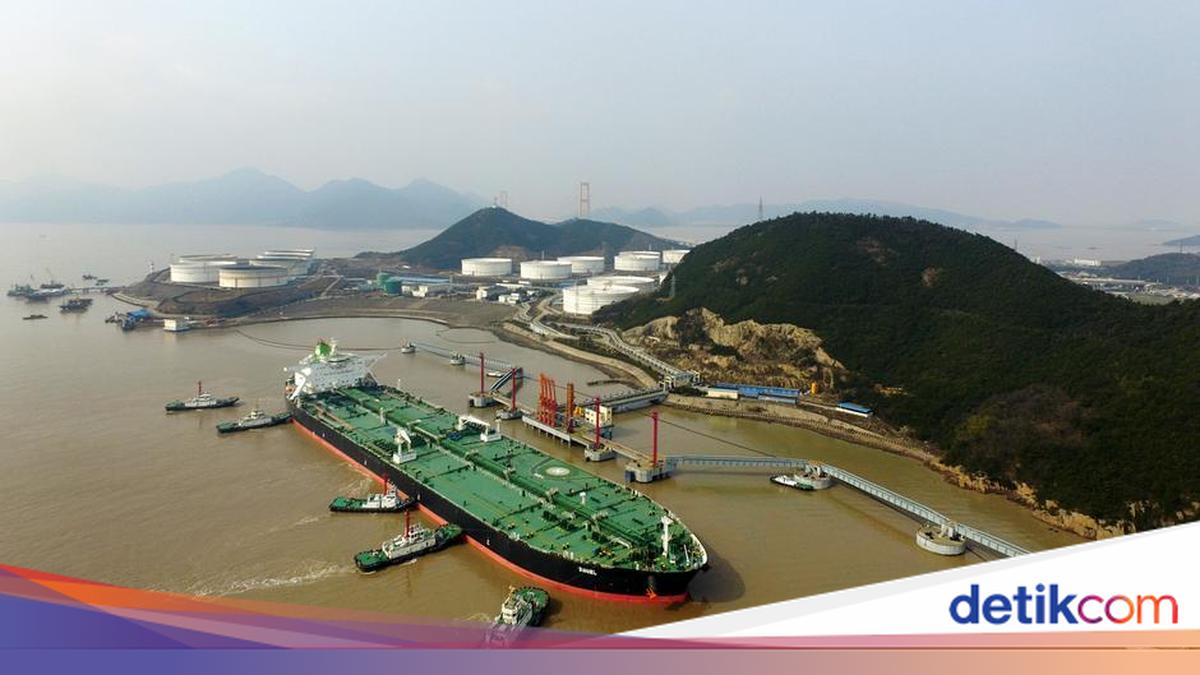
Iran’s threats have brought shipping traffic through the Strait of Hormuz to near standstill. However, experts doubt Iran will risk a long-term blockade of the shipping lane in retaliation for attacks by the United States and Israel.
“Approximately 70% of Iran’s non-oil trade passes through ports that depend on access through the Strait of Hormuz,” said gas and economics analyst Dalga Khatinoglu, cited by London-based Iran International media.
A long-term blockade would ultimately harm Iran itself.
“It is irrational for Iran to close the Strait of Hormuz because they depend on imports of essential goods such as food. Furthermore, the majority of their exports go to China and India, so such action would ultimately harm the country itself,” said energy expert Sara Vakhshouri from SVB Energy International to Bloomberg TV.
Oil and gas prices surged after the US and Israel began attacking Iran on Saturday (28 February). The cost of one barrel of oil is estimated to potentially rise to 100 US dollars (approximately 1.6 million rupiah) or more should shipping through the Strait of Hormuz become too dangerous.
Main oil trade route
According to the US Energy Information Administration (EIA), approximately 20% of the world’s crude oil is transported through this sea lane. More than 80% of these shipments are bound for Asia, particularly China, India, and Japan.
According to Iran International media, closure of the Strait of Hormuz would not only hinder oil shipments, but also aviation fuel and liquefied natural gas (LNG). Approximately 30% of European aviation fuel and 20% of global LNG are transported through this route.
Many countries, including the United States, EU member states, the United Kingdom, Japan, and Canada, possess sufficient strategic reserves to withstand temporary supply disruptions for several weeks.
Iran dependent on China
A blockade would not only obstruct oil and gas shipments from Gulf countries to the West, but also Iranian exports destined for China and India. This would exacerbate Iran’s economic crisis.
Iran has been subject to Western sanctions since the 1979 Islamic Revolution, including sanctions against its exports. Additional UN sanctions were imposed between 2006 and 2015 relating to Iran’s nuclear programme.
Sanctions were eased between 2016 and 2018 after Iran entered into the Joint Comprehensive Plan of Action (JCPOA) nuclear agreement. However, US President Donald Trump reimposed strict sanctions after withdrawing the US from the accord.
Western sanctions also created a loophole for Iran to continue trading, as there are no sanctions against countries that do not comply with these restrictions. As a result, more than 80% of Iranian exports are sent to China, according to the Kpler data and analysis platform. China is currently the largest buyer of oil from Iran, Venezuela, and Russia.
Western sanctions against these three countries have forced them to sell oil at discounted prices. China benefits from the lower prices, whilst Iran must accept lower export revenues. Additionally, sanctions forcing the use of shadow fleets, intermediaries, and alternative routes also increase transportation costs.
“Currently, China is an irreplaceable lifeline for Iranian oil exports as it purchases the majority of sanctioned crude oil,” said Nikolay Kozhanov from Qatar University.
China diversifies oil imports
This is why China’s economic development is more important to Iran than new UN sanctions. Sanctions against Iran, Russia, and Venezuela also allow China to diversify its sources of oil imports.
China has moved away from suppliers with close ties to the US, such as Gulf Cooperation Council (GCC) member countries, which are heavily integrated into the US-led security and financial system.
According to Kozhanov, sanctions have weakened Iran despite its economic resilience. This is because sanctions severely restrict Iran’s access to new technology, international financing, and investment. This reduces Iranian oil production in the long term.
“Iran is likely to remain in the global oil market, but as a structurally weakened supplier selling at large discounts, gradually maintaining stable trade volumes with lower revenue per unit,” said Kozhanov.
He added that “the slow negative spiral of Iran’s oil sector reflects the gradual and general decline in overall performance and stability of the regime.”