
China Aims to Peak Emissions Before 2030, Carbon Intensity Cut by 17%
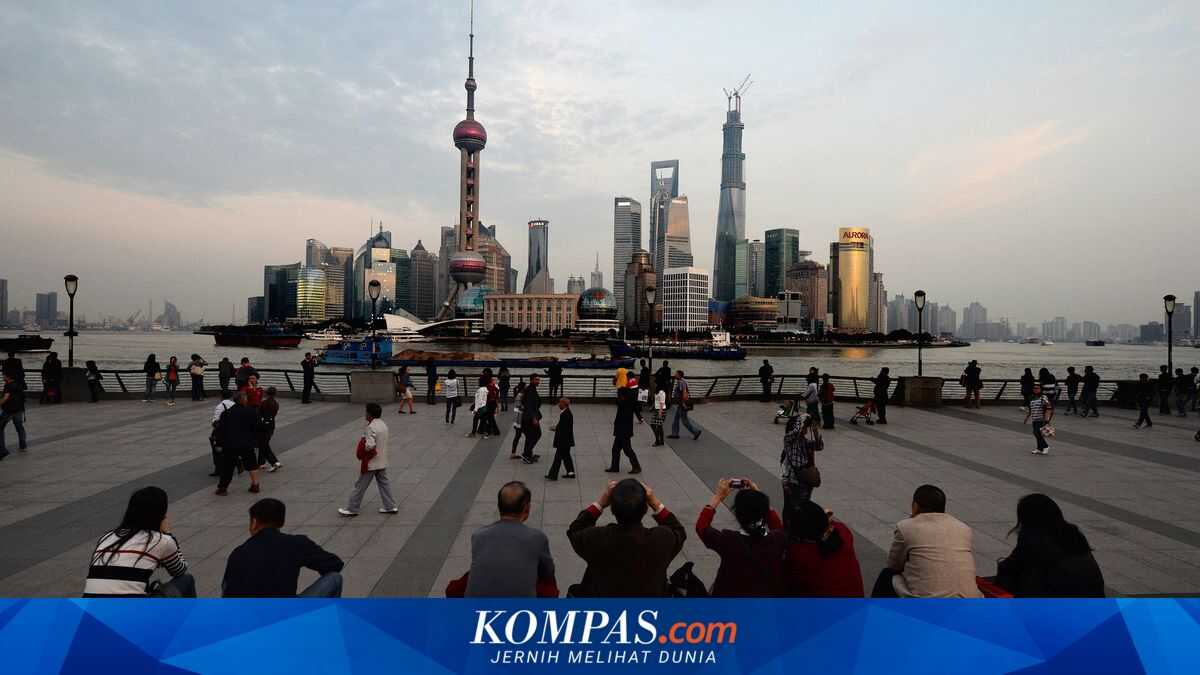
China released the latest decarbonisation plan for 2026-2030. The five-year document targets a 17% reduction in carbon intensity. Carbon intensity refers to the amount of carbon emissions per unit of gross domestic product (GDP). The target is an attempt to restore the trajectory of emission reductions after the previous achievement fell short. The five-year period ending last year recorded only a 12% reduction in carbon intensity; the target at that time was 18%. The National Development and Reform Commission said that by 2026 carbon intensity would be reduced by around 3.8%. The government also targets peak coal use and to replace 30 million tonnes of coal per year with renewable energy. The document does not set a cap on total coal consumption. Several analysts say the new target is not strict enough. Lauri Myllyvirta, co-founder of the Centre for Research on Energy and Clean Air (CREA), says the target remains loose. He notes that, given current pace of China’s economic growth, emissions could still rise by 3–6% over the next five years. If emissions are kept stable or decline as in the past nearly two years, the reduction in carbon intensity by 2030 could exceed 20%. CREA’s previous research said China needs to cut carbon intensity by 23% in the next five years to align with the Paris Agreement. That commitment targets reductions of more than 65% by 2030 from 2005 levels. “As China’s ongoing economic growth and stagnating energy efficiency, how quickly carbon intensity is reduced largely depends on how much renewable energy can be supplied,” said Yao.