
Children Under 16 Banned from Having Personal Social Media Accounts, Can Collaborate with Parents
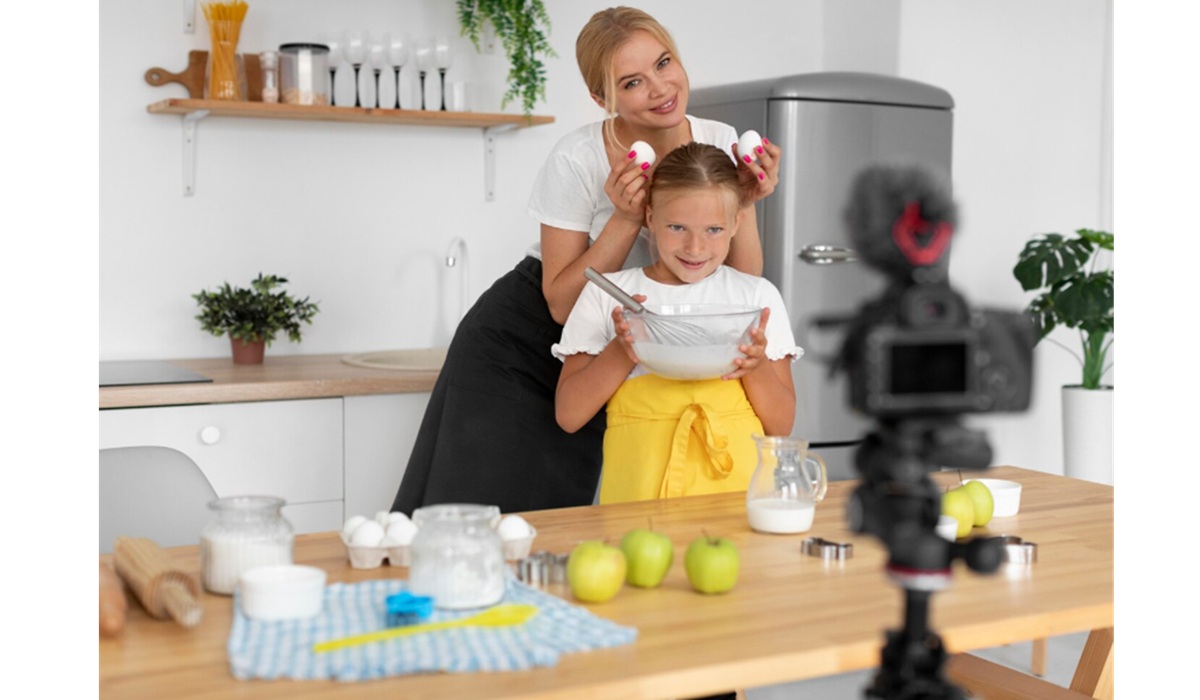
The implementation of Government Regulation (PP) No. 17 of 2025 on the Protection of Electronic System Governance in Child Protection, known as PP Tunas, brings significant changes to children’s digital interaction patterns in Indonesia. This regulation explicitly restricts children under the age of 16 from having personal accounts on digital platforms.
Responding to the policy, child and family psychologist from the University of Indonesia, Sani B. Hermawan P.Si, views the rule not as stifling children’s creativity. Instead, it encourages collaboration between children and parents in utilising social media.
“Why not collaborate with parents? Children can still browse social media and have a stage to create, but using a parent’s account, not a personal one. This does not cut creativity; it enhances children’s potential with supervision,” Sani said when contacted on Tuesday (1/4).
Sani emphasised that children under 16 are psychologically considered not yet emotionally mature enough to face the dynamics of the digital world alone. The presence of parents is not just about fulfilling legal obligations but also building higher-quality relationships.
According to him, parental accompaniment while children engage with social media can trigger more effective and positive joint activities. This has a positive impact on the development of children’s cognitive and social aspects in the real world.
In line with this psychological perspective, Minister of Communication and Digital Affairs (Menkomdigi) Meutya Hafid affirmed that PP Tunas is a crucial step for Indonesia. The government wants to ensure that children’s data and privacy do not become commodities exploited by irresponsible parties.
Meutya explained that this policy is modelled on various legal cases abroad, where children’s data is often monetised unethically. With this regulation, it is hoped that Indonesia’s digital space will become a safer place for the growth and development of the younger generation without sacrificing their right to innovate.
Through synergy between government regulations and active parental supervision, it is hoped that children can still develop their creative talents on social media within safe and measured boundaries.
UI psychologist Prof. Rose Mini and Alva Paramitha suggest that parents creatively provide real-life activity alternatives to reduce children’s gadget dependency.
Gadget use actually severs the need for such stimulation due to its one-way nature. Children tend to become passive imitators without understanding the meaning behind the words they hear.
If parents forbid children from playing on phones but they themselves are busy with their devices, it sends a contradictory message to the child.
Children are excellent imitators who learn from what they see every day.
Protecting the digital space requires comprehensive steps that include public education and strengthening users’ capacity to understand cyber risks.
Children are excellent imitators who learn from what they see every day.
In addition to AI, popular online games like Roblox and Minecraft are also seen as presenting risks because children often struggle to distinguish between the game world and reality.
Rather than implementing total access bans, YouTube chooses an integrated, age-based protection feature approach.
An approach that is too harsh or one-sided in restricting social media use risks making children rebellious.
Early exposure to social media risks disrupting emotional regulation, self-identity formation, and reducing the quality of real social interactions.