
Children Selling Tissues in Jakarta and a Stifled Childhood
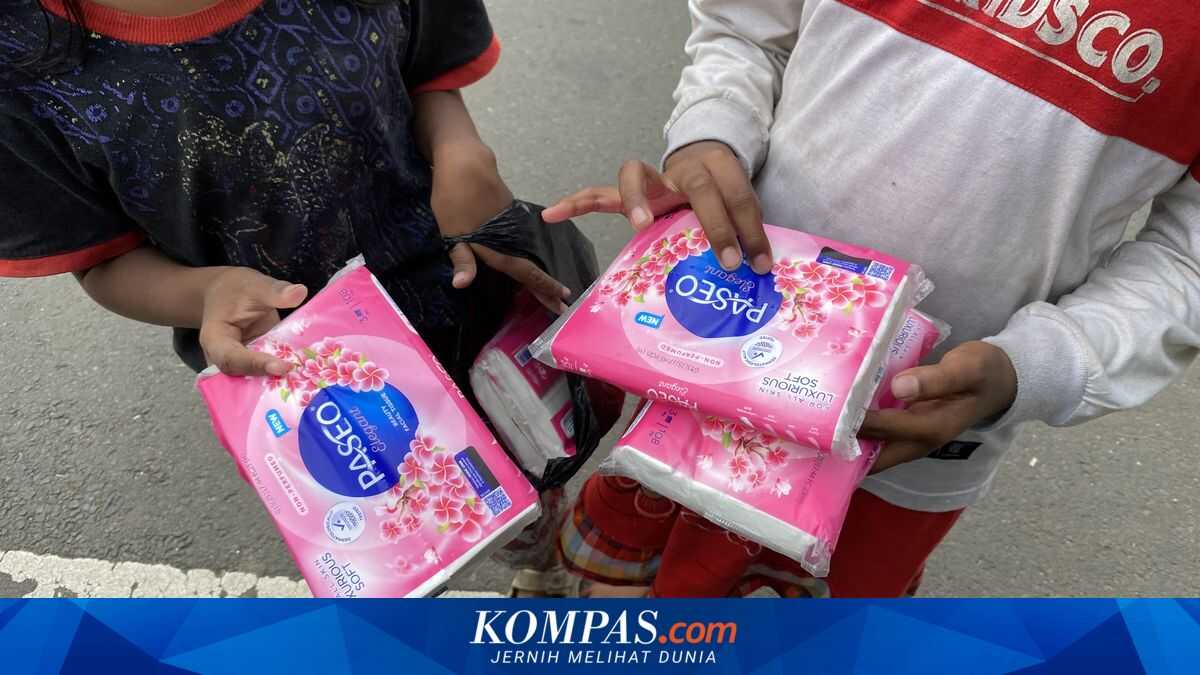
At the intersection of Cikini and Gondangdia in Central Jakarta, the sight of children offering tissues, busking, or begging for money has become commonplace. At least ten children can be seen active at several strategic points. This phenomenon is not merely a matter of family economics. Experts say there is a serious threat to the mental and emotional development of these children. Child psychologist Gloria Siagian said that children who work on the streets are effectively taking on roles beyond their years. According to her, street life presents many things that are not necessarily suitable for children under age. They face a range of adult social interactions and behaviours that do not always provide good examples. ‘However, the reality is they must take on adult roles. As a result, they do not have space to truly be children,’ she said. Exposure to violence is also a real threat. The children risk witnessing or experiencing violent acts and deviant behaviour. ‘They may see things that should be private but occur in public spaces. At such a young age, they do not possess the cognitive and emotional capacity to process those experiences properly,’ she said. ‘There is a strong possibility that behavioural disorders may emerge, for example drug use, theft, promiscuity, violence, and mental health issues,’ Gloria added. From an educational perspective, the situation also affects motivation to learn. An environment that does not present school as a route out can cause children to stop dreaming. ‘If the environment they see is friends who do not attend school but still manage to survive by begging, motivation to learn can decline,’ Gloria said. Nevertheless, she noted that resilience can grow if there is mentoring support.