
Children Banned from Social Media: What About Digital Literacy?
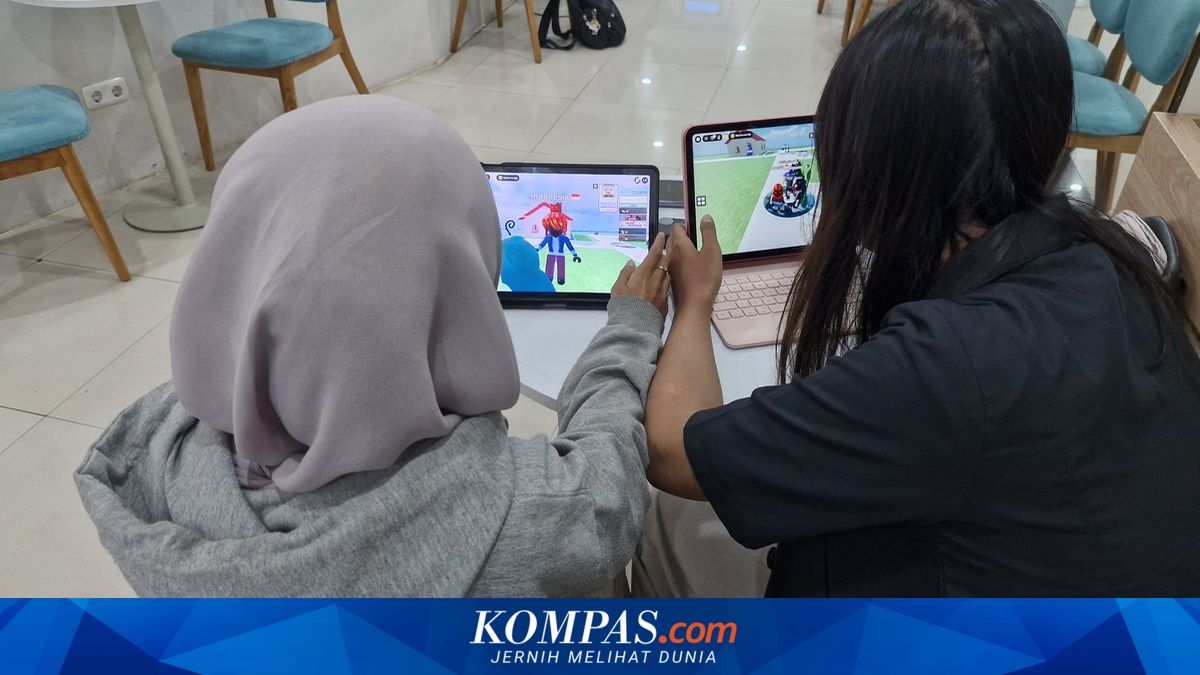
JAKARTA — Indonesia’s government has officially implemented a prohibition on children under 16 years old from holding social media accounts and accessing certain online games.
The term “delay” used by the government is regulated through the Communication Digital Minister Regulation Number 9 of 2026 regarding the implementing regulations of Government Regulation Number 17 of 2025 on the governance of electronic systems in child protection, hereinafter referred to as PP Tunas.
Communication Digital Minister Meutya Hafid stated that Indonesia has become the first non-Western nation to implement age-based delay of children’s access to digital spaces.
However, questions have emerged regarding whether restricting children under 16 from social media access will negatively impact digital literacy development.
Experts acknowledge there are positive elements within the policy. Seto Mulyadi, commonly known as Kak Seto, noted that many children learn independently from the internet, including through social media.
“I have personally witnessed positive outcomes, for example a child who can master a foreign language very quickly and fluently because they learned from the internet,” he told Kompas.com on Monday (9 March 2026).
He cited an example of a child born to Jakartan parents who do not speak Javanese, yet the child became fluent in Javanese simply by watching videos on the internet.
As a result, Kak Seto views the internet and social media as an effective educational medium for formal, informal, and non-formal learning.
The digital world has also opened new aspirations and career paths for the younger generation. Since the emergence of social media, career aspirations have extended beyond conventional professions to encompass new professions created within the digital realm itself.
“All of this is also due to insights and educational value gained from the digital world,” he added.
According to experts, children must continue to receive digital literacy education from an early age, but it should be implemented gradually and in accordance with the child’s age and level of maturity.
Age restrictions on certain platforms do not mean closing off children’s access to digital literacy education entirely.