
Childhood kidney cancer cure rates reach 90 percent with early detection
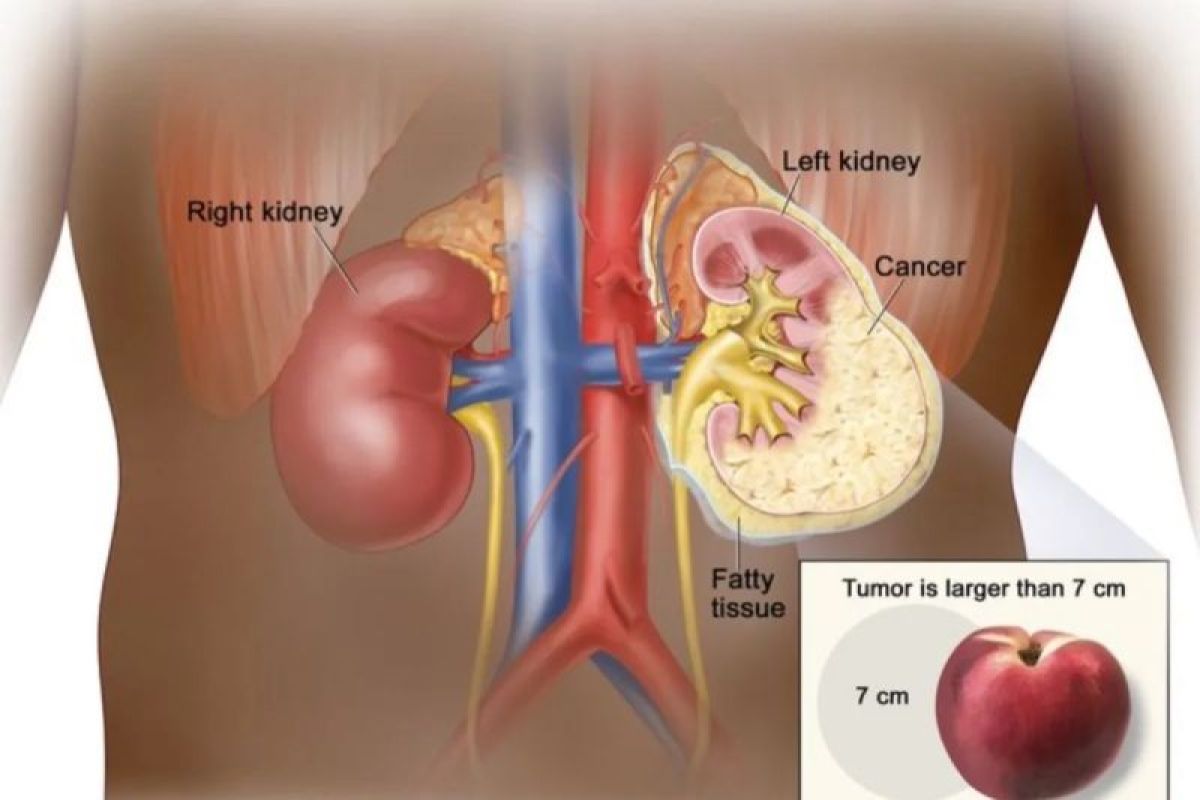
Jakarta — A paediatric haemato-oncology specialist from Hasan Sadikin Hospital in Bandung, Dr Nur Melani Sp.A Subsp.HO(K), has stated that the likelihood of recovery from childhood kidney cancer is approximately 80-90 percent with early detection, prompt diagnosis, and appropriate treatment.
“In theory and according to statistics, 80-90 percent of malignant kidney cancer or malignant renal tumours in children should be curable; however, in reality, only about 30 percent achieve remission, and even this figure declines by 50 percent due to treatment abandonment,” said Nur during a discussion session organised by the Indonesian Paediatric Association (IDAI) held online in Jakarta on Tuesday.
A member of IDAI’s Haemato-Oncology Coordination Work Unit, Nur explained that kidney cancer in children, particularly Wilms tumour (nephroblastoma), generally cannot be prevented because the precise cause is often unknown and is typically related to genetic factors or congenital kidney developmental abnormalities caused by certain genetic syndromes.
In children under five years of age, parents should be alert if the child’s abdomen appears enlarged with characteristics of a hard, firm abdomen when pressed, which is often mistaken for bloating.
Other symptoms include elevated blood pressure upon examination, pallor or fatigue due to increased body metabolism from tumour cell growth, reduced appetite, and vomiting due to the kidney mass affecting surrounding abdominal organs.
“If it is possible to perform surgery first, then surgery is the initial treatment approach, followed by microscopic examination to determine whether metastasis has occurred and identify the cell type. This guides subsequent, more accurate treatment. If the tumour is too large, efforts are made to reduce its size first through medication or chemotherapy,” Nur explained.
However, Nur expressed concern that in Indonesia many parents still deny the symptoms of kidney cancer when identified in their children, resulting in presentation to hospitals at advanced stages, which ultimately diminishes the child’s chances of recovery.
Nur urged parents to maintain vigilance if there is a history of genetic abnormality, family history of multiple cancers, exposure to radiation, certain chemicals, and specific infections.
“The key principle in managing childhood cancer is earlier detection equals higher cure rates. Early detection enables more effective treatment, fewer complications, and improved survival prospects. This is the responsibility of parents and the community,” Nur concluded.