
Child Nutrition Fulfilment is a Constitutional Obligation of the State, Not a Populist Programme
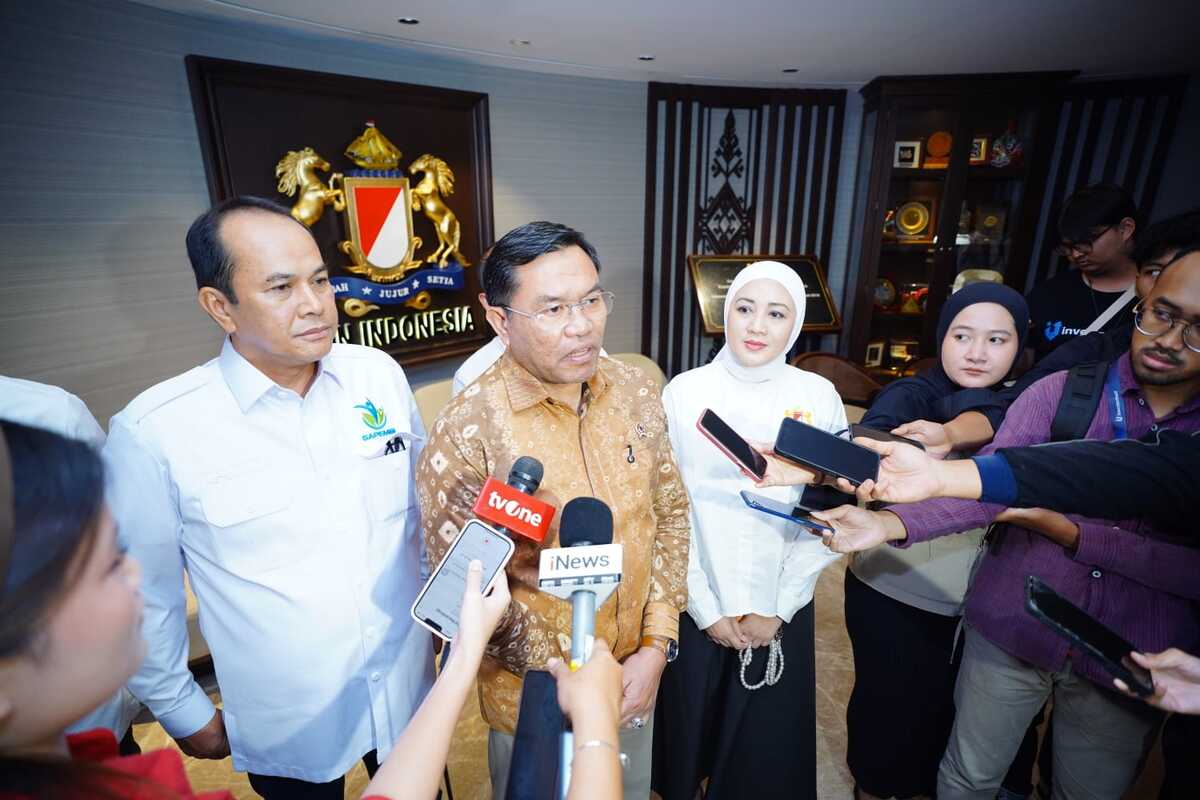
The Free Nutritious Meals (MBG) programme was affirmed as a constitutional obligation of the state and a human resource development strategy at the MBG Future forum held by Kadin (Indonesian Chamber of Commerce and Industry) and Gapembi (Association of Indonesian Nutritious Kitchen Operators) in Jakarta on Friday, 27 February 2026.
Alven Stony, Chairman of Gapembi, stated that the organisation has been involved from the outset in strengthening Nutrition Service Provision Units (SPPG) across various regions. He noted that whilst Gapembi partnered with the government during the programme’s uncertain early stages, momentum has now accelerated significantly following the National Nutrition Agency’s (BGN) successful performance exceeding targets.
Gapembi aims to ensure its members contribute not only quantitatively but also improve programme quality, menu standards, and human resource capacity within SPPG operations. Stony highlighted an ambitious vision of establishing MBG as a national social infrastructure, with aspirations to develop a dedicated MBG law.
Putih Sari, Deputy Chair of Commission IX in the Indonesian House of Representatives, emphasised that child nutrition fulfilment must not be viewed as short-term populist policy but as a constitutional obligation under Indonesia’s constitution, which enshrines health and welfare as fundamental rights of citizens. She stressed that the state cannot delay or reduce its commitment to programmes affecting children’s futures, framing nutrition investment as essential to realising Indonesia’s 2045 Gold vision.
From an implementation perspective, Sony Sonjaya, Deputy Head of BGN for Nutrition Fulfilment Operations, described MBG as a strategic national human resource investment designed to reduce stunting prevalence and enhance student learning quality. The programme simultaneously drives grassroots economics by guaranteeing markets for small and medium enterprises (UMSEs), integrating local supply chains, and creating new employment opportunities in regions.
The government has structured partnerships with medium-term contracts, transparent payment mechanisms, local supply chain integration, and business management support. It has also established raw material stabilisation schemes, strategic regional buffer stocks, and national food safety standards with regular audits.
Prof Sitti Aida Adha Taridala, Director of Nutrition Fulfilment Governance at BGN, underscored that MBG is grounded in clear regulatory frameworks and measurable success indicators extending beyond quantity to implementation quality standards. She reported that SPPG targets for 2026 have been increased to 35,000-40,000 units, following the rapid achievement of initial 2025 targets of 5,000 SPPG units and 15 million beneficiaries.
Senior journalist Bambang Harymurti outlined the global context through the School Meals Coalition initiative, supported by the World Food Programme, Food and Agriculture Organization, and UNICEF, which regards school meal programmes as cost-effective social protection instruments with widespread impacts on education, health, and local economies.
The MBG Future forum concluded that the programme’s success depends critically on consistent implementation, institutional strengthening, and collaboration between government and community partners in the field.