
Cheap Money Era Ends, World Enters 'Higher for Longer' Zone?
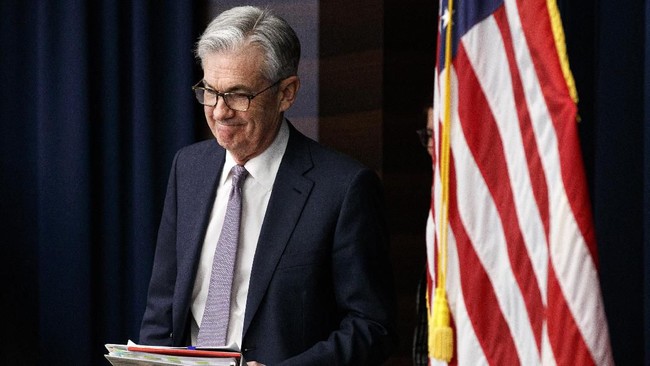
The era of falling interest rates is over due to geopolitical tensions in the Middle East that have triggered high oil prices and heightened expectations of future inflation. According to the CME FedWatch Tool, the US Federal Reserve was previously expected to cut interest rates once this year. However, the latest projections have changed significantly; as of 29 March 2026, market participants now forecast that rates will be held steady for a long period until October 2027. The chance of a rate cut is expected in December 2027 with a probability of 40.9%. For context, the Fed maintained rates at 3.50-3.75% on 19 March 2026. In 2025, the Fed held rates at 4.25-4.50% until August 2025 before cutting them in September, October, and December 2025 to 3.50-3.75%. In January 2026, the Fed held its benchmark rate steady. The shift in the global interest rate narrative from cuts to prolonged holds is none other than due to the war in the Middle East. This situation is often referred to as ‘higher for longer’. The effects have spread to the real sector, with several countries struggling to obtain oil due to the blockade of the Strait of Hormuz, which has been in place for nearly a month. When energy routes are disrupted, inflationary pressures become even harder to control, forcing central banks to maintain tight monetary policy for longer than previously anticipated. Iran is reported to have imposed a de facto blockade of the Strait of Hormuz in response to massive airstrikes by the United States and Israel at the end of February. Under its new policy, Tehran only allows ships from countries considered ‘friendly’ such as Russia, China, India, Pakistan, and Iraq to pass through. Meanwhile, ships from Western-affiliated countries face strict restrictions. Indonesia itself is conducting intensive negotiations, with positive signals regarding the potential release of several Pertamina tankers that were previously detained. The impact is immediately felt in the global market, where Brent oil prices have breached $100 per barrel, sparking concerns about a global economic slowdown. On the other hand, Japan is in an increasingly pressured position. Its high dependence on energy imports from the Middle East has forced the country to take emergency measures, including releasing part of its strategic oil reserves to maintain domestic stability. However, political pressure from G7 allies places Tokyo in a dilemma between maintaining relations with the West or opening direct communication channels with Iran to ensure energy supply security. Tensions are also spreading to other fronts. The Houthi group in Yemen is now not only operating in the Red Sea but also expanding the reach of attacks to the Gulf of Aden and southern Israel. The increased intensity of missile and drone attacks heightens risks to alternative energy distribution routes, including land pipelines through Saudi Arabia. The effects are not only physical but also psychological, reflected in a surge in shipping insurance premiums of up to 300%, which ultimately drives up global commodity prices. With around 20% of the world’s oil supply and a quarter of global LNG trade passing through the Strait of Hormuz, prolonged disruptions in the region could push the world towards the brink of stagflation, a combination of slowing economic growth and persistently high inflation. If this situation continues for the next few weeks, the pressure on global central banks will intensify, not only to maintain high interest rates but also to consider further tightening to preserve currency stability amid unrelenting turmoil.