
Charting a Way Out of Poverty
Mornings in many regions of Indonesia often begin with a nearly identical rhythm. Kitchens are lit early, parents hurry to fields, markets, or other workplaces, whilst children prepare to go to school with sometimes simple equipment.
Behind this seemingly ordinary routine lies a shared hope from many families: that one day, their lives will improve and the cycle of poverty passed down through generations can be broken.
This hope exists in many regions, particularly in areas still struggling to catch up with development. At the national level, various social programmes continue to be pursued to address these challenges, but their success depends greatly on how these policies touch the reality of people in the regions.
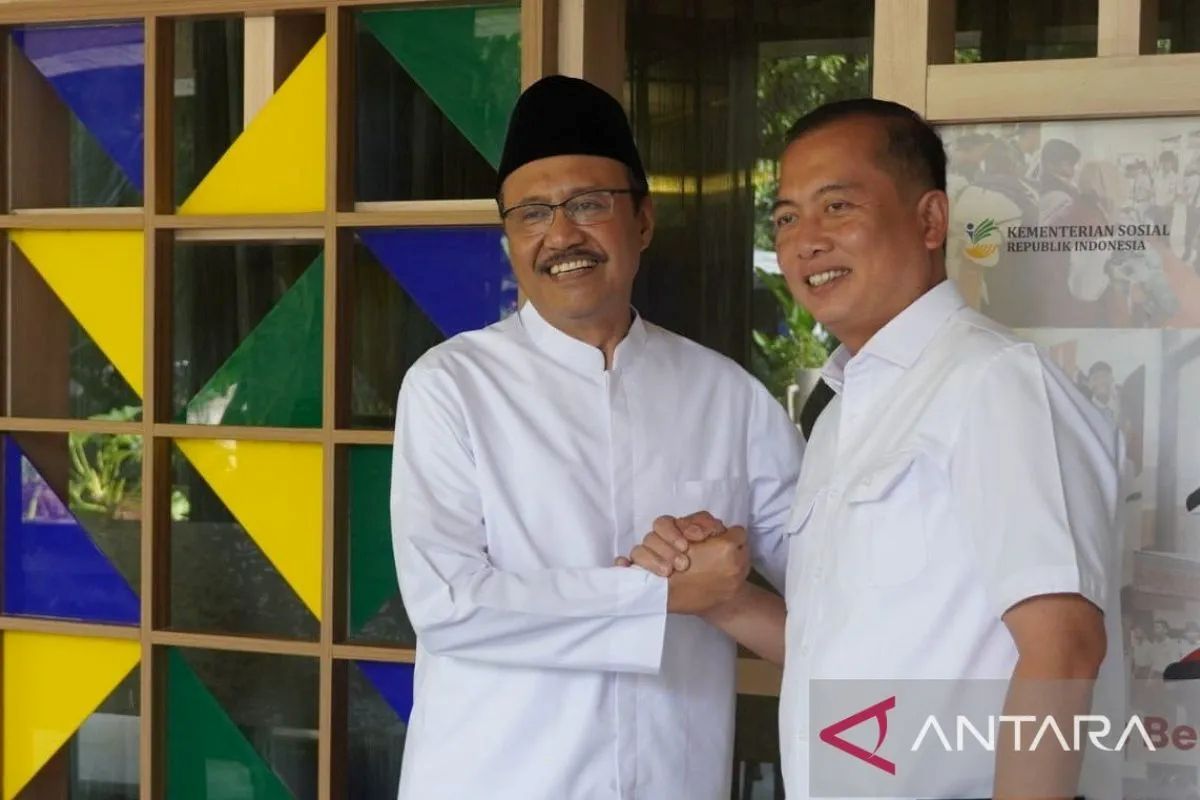
In West Nusa Tenggara (NTB), this hope has now found new momentum following a meeting between NTB Governor Lalu Muhammad Iqbal and Minister of Social Affairs Saifullah Yusuf in Jakarta on Monday, 9 March 2026.
This meeting was not merely a routine bureaucratic coordination agenda, but rather a signal that efforts to alleviate extreme poverty in this region are beginning to be organised with a more integrated approach.
NTB still faces significant challenges. Data from the Central Bureau of Statistics (BPS) recorded the percentage of poor population in September 2025 at 11.38 per cent, or approximately 637,000 people.
This figure does show a decline compared to the previous period, but the province remains on the list of 12 regions with the highest poverty rates in Indonesia.
Behind these numbers are approximately 106 villages still categorised as pockets of extreme poverty, with nearly 114,000 heads of household in extremely vulnerable conditions.
For this reason, the meeting between central and regional government is important. It marks an effort to unite strategy so that various social programmes do not operate independently.
In many cases, failure in poverty alleviation is not due to a lack of programmes, but rather weak coordination.
If such synergy truly functions, NTB has the potential to become an interesting social policy laboratory for Indonesia.
Accurate Data
One important focal point of discussions between central and regional government is the reorganisation of the social assistance data system. For years, data issues have often been an obstacle in social protection programmes in Indonesia.
In many regions, cases are still found where eligible people do not receive assistance, while some recipients are actually no longer in the poor category. Such targeting inaccuracy causes social interventions to lose effectiveness.
For this reason, the government is now strengthening the National Single Socio-Economic Data system, the management of which has been handed to the Central Bureau of Statistics as the national data custodian.
This step is important because modern poverty alleviation can no longer rely solely on administrative estimates, but must be based on accurate data down to the household level.
For NTB, the presence of the unified data system can become a new foundation for various regional programmes. The provincial government has thus far developed a by-name by-address approach through the Empowered Villages programme targeting villages with extreme poverty.
This approach is relatively progressive because it does not merely distribute assistance, but conducts direct verification of the socio-economic conditions of residents.
Village facilitators go from house to house to ensure they understand the root problems facing poor families, whether related to housing, education, health, or access to employment.
This step is important because poverty never stands alone. It almost always emerges as a combination of various interrelated limitations.
When social data becomes more precise, policy can also be designed more sharply. Assistance programmes are no longer distributed generally, but tailored to the actual needs of each family.