
Chaos! This Country Benefits from Iran Conflict, President Says It Brings Advantage
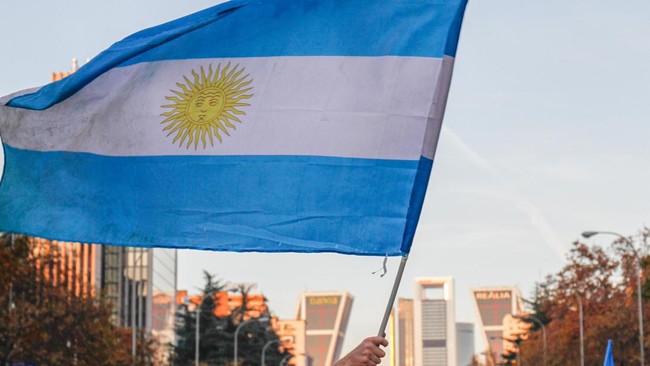
Argentine President Javier Milei has stated that the conflict involving Iran is bringing positive economic impacts for his country’s economy. He said the conflict has the potential to increase Argentina’s energy and agricultural commodity exports whilst strengthening the nation’s foreign currency reserves.
In an interview with Argentine radio station FM NOW, Milei stated that the rise in global commodity prices resulting from the conflict provides opportunities for his country as an exporter. “Argentina, in this context, will see an increase in its trade balance because oil prices are rising, and Argentina is a net exporter,” Milei said, according to AFP on Tuesday (10 March 2026).
He added that oil is not the only sector to benefit. “Additionally, all grains exported by Argentina—soya, corn, and sunflower—are also experiencing price increases,” Milei further remarked from New York, where he is attending an investment promotion agenda.
The conflict, which has lasted approximately 10 days, has triggered a surge in global energy prices. Oil prices even briefly exceeded US$100 (approximately Rp1.69 million) per barrel. The sharp increase was triggered by Iranian missile attacks on several Gulf states allied with the United States and threats to close the Strait of Hormuz, a crucial global oil trade route.
As the fourth largest oil producer in Latin America, Argentina is considered to be in an advantageous position when global energy prices surge. Rising oil prices can directly increase the value of the country’s energy exports and widen its trade surplus.
Beyond the energy sector, the conflict has also triggered increased global food commodity prices. Last week, wheat prices reached their highest level in a year, whilst soya reached its highest position since June 2014. This increase was driven by surging energy and fertiliser costs, which are important components of agricultural production.
Milei emphasised that this situation has the potential to help Argentina strengthen its foreign currency reserves. This is important because the previous government signed a new lending agreement worth US$20 billion (approximately Rp338 trillion) with the International Monetary Fund (IMF), one of whose conditions is improving the country’s foreign reserve position.
Structurally, the oil and gas sector contributes approximately 13.5 per cent of Argentina’s total exports. However, agriculture remains the backbone of the economy, contributing more than 60 per cent to national exports, with soya alone contributing approximately 24.6 per cent of the country’s total foreign sales.