
Chaos! Fuel price hikes spark deadly protests, with fatalities
Chaos! Fuel price hikes spark deadly protests, with fatalities
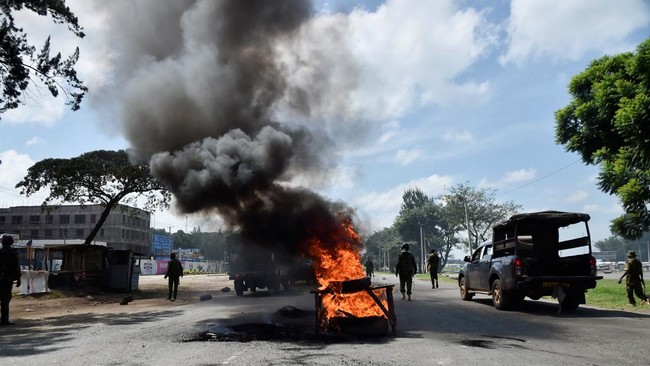
A wave of major protests erupted in several Kenyan towns after the government sharply raised fuel prices amid the impact of the war in Iran on global energy supplies. Demonstrations and a nationwide transport strike on Monday, 18 May 2026, ended in clashes that killed at least four people and injured more than 30.
The unrest followed mass stoppages by public transport operators as a protest against the surge in fuel prices, which many feel are increasingly burdening people amid already high living costs.
Kenya’s Interior Minister Kipchumba Murkomen said four Kenyans had died in the violence during the protests. “We have lost four Kenyans today, which has also left more than 30 others injured,” Murkomen said at a televised press conference, reported Reuters.
The national strike was triggered by a decision by the Kenya Energy and Petroleum Regulatory Authority last week to raise retail fuel prices again by 23.5%. The increase came just a month after the government had previously raised fuel prices by 24.2%.
The Kenyan government attributed the global energy price spike to the Middle East conflict as the main driver of the policy. The Iran war is said to have disrupted supplies of oil and gas globally, pushing energy prices higher.
Earlier on Monday morning, Kenya’s Finance Minister John Mbadi said fuel prices were still subsidised by the government. However, the statement failed to dampen public anger and protests by operators who said they could no longer bear rising operating costs.
The Transport Sector Alliance announced on Sunday night that all vehicles affiliated with its member associations would cease operations from midnight as a form of protest.
In Nairobi, roads approaching the city centre were blocked by transport operators on strike and demonstrators. Police fired tear gas at several locations to disperse the crowd. Some protesters also burnt tyres on major streets, worsening traffic and leaving thousands stranded without transport.
In the major port city of Mombasa, the strike raised concerns about disruptions to the national logistics supply chain.
Kenya is heavily reliant on energy imports from the Middle East. Almost all of its fuel needs are sourced under government-to-government deals with Gulf states.
The price hikes have-driven transport fares sharply higher and contributed to a rise in the cost of basic goods.
A 24-year-old public relations worker, Gabriel Odhiambo, said his transport costs had now doubled and prices of food had also surged.
The Kenyan government sought to open dialogue with transport operators on Monday evening through a meeting between the energy minister, the transport minister, and representatives of the public transport sector.
The talks yielded little progress after the transport associations accepted the government’s proposal to close the gap between diesel and kerosene prices to curb illicit fuel blending. However, both sides remained at odds over the magnitude of the price reduction demanded by the operators.
The transport associations are calling for a reduction of 46 shillings per litre.
“We have not agreed on anything… What we are asking the President to do is to take action because the strike will continue. The strike is ongoing,” said Albert Karakacha, chair of the Association of Public Transport Vehicle Owners, at a press conference.
For the period May 15 to June 14, petrol in Nairobi rose to 214.25 Kenyan shillings per litre from 206.97; diesel jumped to 242.92 from 196.63 per litre. Kerosene remained at 152.78 shillings per litre.