
Changes in exports to DSI do not change obligations for CPO exporters
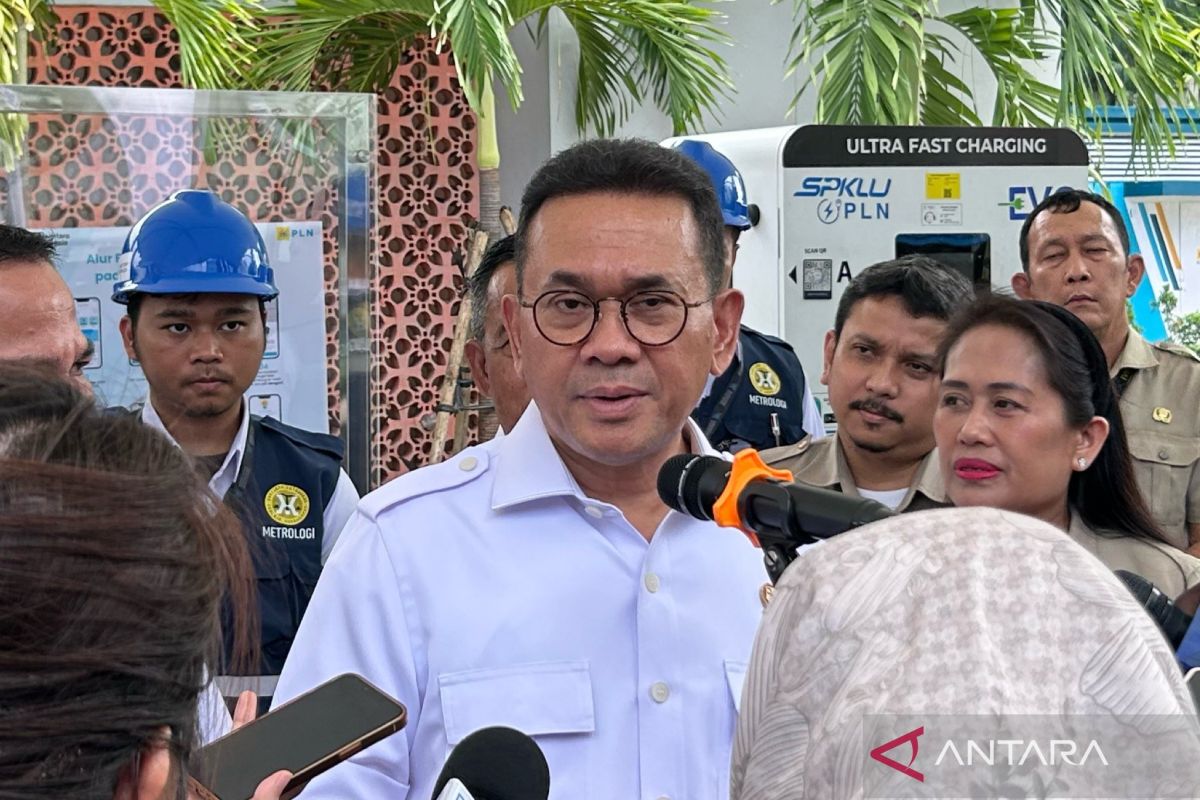
Santoso emphasized that all existing export regulations, requirements, and procedures remain unchanged with such a new policy.
He argued that the changes would only affect exporters, from private exporters to DSI, which would begin gradually starting June 1, 2026.
“On the existing regulations, such as export requirements, export obligations such as the DMO for CPO and others remain in effect,” the minister said here on Monday.
He explained that the new policy only changes the export implementation mechanism without changing the regulations that have been applied to exporters.
In addition to the DMO, he also ensured that export levies (PE) and export duties (BK) would remain in effect as currently in effect.
The obligation to pay export levies will become the responsibility of DSI if all exports have been carried out in full by the company.
“Export levies and export duties have been imposed on exporters. However, this will automatically become PT DSI’s responsibility,” he said.
He added that the authority to issue export permits remains under the Ministry of Trade and remains unchanged even if exports are conducted through DSI.
In addition, the export transfer transition period will last until the end of 2026, including adjustments to existing export contracts.
“During this transition, the process is actually ongoing, with the hope that this transition will be a transfer process and all kinds of things. So that starting January 1, PT DSI will fully carry it out,” added the minister.
For the initial stage, the government has designated three strategic commodities to be included in the DSI export scheme, namely coal, CPO, and ferroalloys.
Related news: Purbaya to update President Prabowo on alleged CPO export manipulation
Related news: Indonesia eyes major CPO export role in Canada, boosts agri ties
Related news: CPO still Indonesia’s leading export commodity: BPS
Translator: Maria Cicilia Galuh Prayudhia, Katriana