
Changan: Interest in Electric Vehicles Rises, But Sales Still Need Time
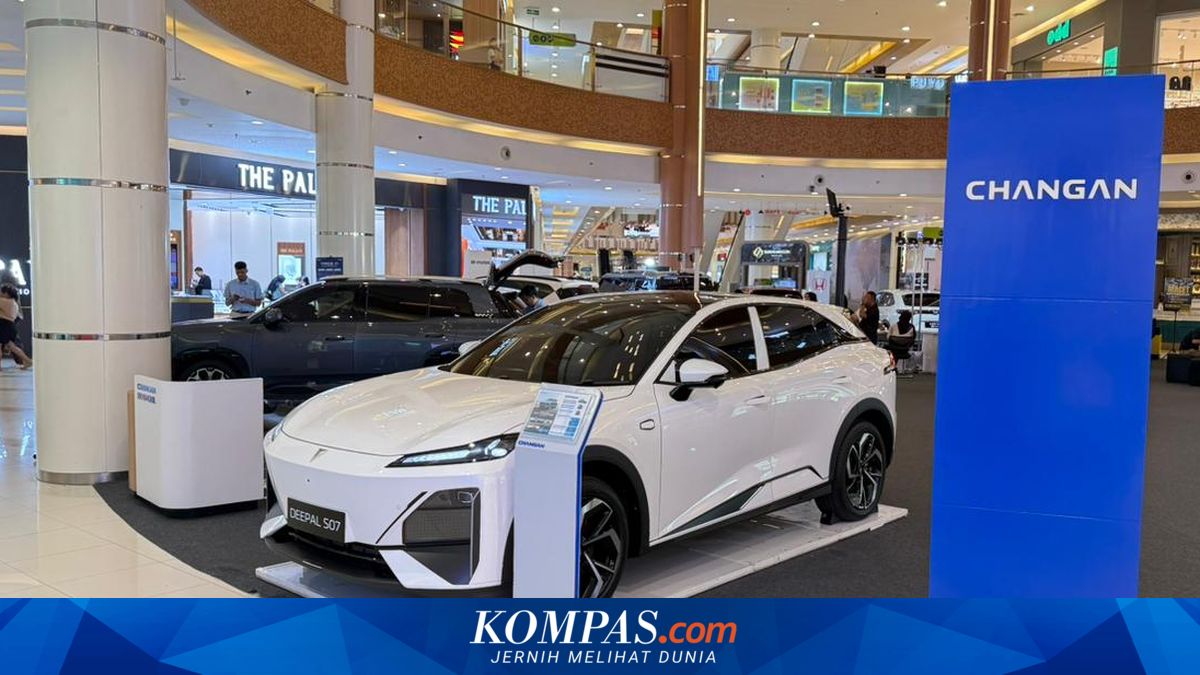
JAKARTA - The issue of the global energy crisis, which impacts fluctuations in domestic fuel oil (BBM) prices, is increasingly becoming a hot topic of discussion.
This situation is indirectly beginning to change public thinking in choosing modes of transportation.
Electric vehicles (EVs) are no longer just a lifestyle choice but are starting to be considered a logical solution amid the rising operational costs of conventional vehicles that are squeezing wallets.
The growing public attention to electrification technology is directly felt by automotive manufacturers, including the Chinese brand Changan.
This phenomenon indicates that awareness of the importance of energy efficiency is beginning to permeate potential consumers in Indonesia.
Head of Marketing for Changan Auto Indonesia, Ridjal Mulyadi, stated that public interest in electric cars is indeed on an upward trajectory.
According to him, the need is the main trigger why many people are starting to delve deeper into the advantages of emission-free vehicles.
“If we monitor it, interest is increasing, actually. Because from visits, showrooms, exhibitions, and so on. The more people feel the need,” said Ridjal to reporters when met in Jakarta recently.
The transition from fossil fuel vehicles to electric ones apparently requires careful consideration from consumers, given that it is a fundamental change in driving habits and maintenance.
Ridjal acknowledged that the process of convincing consumers to actually make a transaction remains a significant challenge.
Buying a car is not an impulsive decision like purchasing daily consumer goods, but a long-term investment that requires detailed calculations regarding charging infrastructure to resale value.
“But it’s not yet visible in actual sales conversions. Because buying a car takes time,” said Ridjal.
On the other hand, government pushes through various incentives and the acceleration of charging ecosystem development are expected to serve as catalysts.
The presence of new technologies such as faster battery charging systems or vehicle models with longer ranges is also predicted to shorten the hesitation period for potential buyers.
Changan is continuously monitoring market dynamics to see how effective the education and stimuli provided are in influencing final consumer decisions. The speed of Indonesia’s market adaptation to electric vehicles remains a major question mark that can only be answered by time and the consistency of all stakeholders.
“So, this might be one way to speed up the process. But how fast, well, we have to see,” he said.