
Challenges of Certifying Converted Electric Motorcycles in the Early Days of Regulation
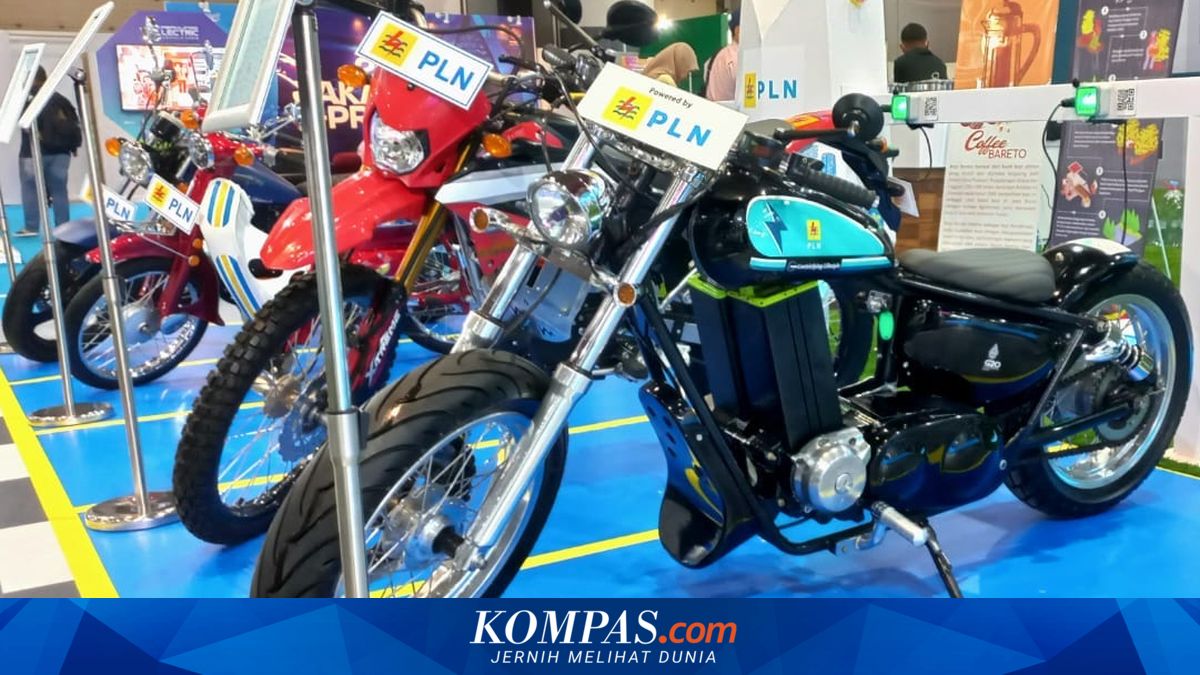
JAKARTA, KOMPAS.com - The process of obtaining legal certification for converting a petrol motorcycle to electric turns out to be far more complicated than imagined. There may now be established guidelines, but for the pioneers or those who went first, the procedure was extremely lengthy. Bambang Setiawan Yudistira, or as he is affectionately known, Ibeng, was one of the first people to bring his converted motorcycle, a Honda Vario 110, to obtain official certification. “The process was perhaps because we weren’t meticulous enough, it took six months. Because of all the back and forth. The back and forth was because neither side had standards. The testing centre didn’t have standards, nor did the workshop,” said Ibeng to Kompas.com on Thursday (9/4/2026). One unique and confusing incident occurred during the testing of supporting components like the horn. Ibeng tried to recall the moment when every detail of the sound became highly sensitive in the eyes of the testers, but without clear numerical parameters. “I remember, they said, ‘this (the horn) seems not loud enough.’ Our question was, how many decibels are needed? How loud does it have to be? They (the testers) said, ‘well, try changing it first, make it louder first,’” said Ibeng. The lack of clarity regarding the required decibel standard for the horn sound reflected that at the time, regulators were still in the stage of feeling their way around the rules in the field. It wasn’t just the horn issue; visual aspects and safety warnings also became time-consuming obstacles. Ibeng had to ensure that every warning sticker was properly placed. “Funny thing is, it even went down to the stickers, which turned out to be mandatory. So they would ask, how about the battery cover? There’s a standard for it. And on top of the cover, there must be writing ‘electric’, then on the electric part, writing ‘danger, high voltage’, things like that must be there,” he added. Seeing the complexity he experienced as an enthusiast, Ibeng doubts that ordinary people could go through the same process if the infrastructure and standardisation are not yet fully mature. Ibeng’s experience serves as real evidence that in the early days, the transition to electric vehicles was not just a matter of replacing the engine, but a struggle to align workshop creations with the existing bureaucratic shortcomings.