
Chairman of Commission XI Urges Finance Minister Not to Hastily Raise Subsidised Fuel Prices: It Should Be the Last Resort
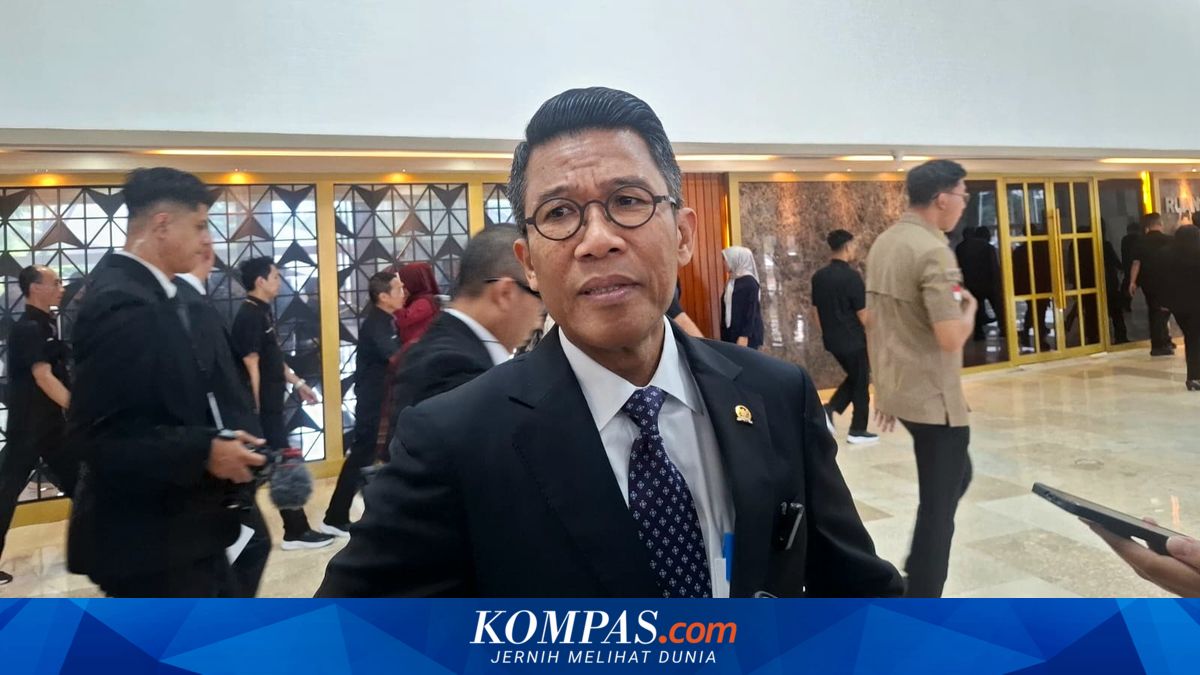
JAKARTA — Misbakhun, chairman of Commission XI of the Indonesian House of Representatives, has urged Finance Minister Purbaya Yudhi Sadewa not to hastily raise the price of subsidised fuel oil (BBM) despite global crude oil price fluctuations caused by conflict in the Middle East.
He emphasised that increasing subsidised fuel prices should be the very last option in addressing pressures on the state budget (APBN).
“I ask that if possible, this option be the absolute last resort. Not just last, but the absolute last,” Misbakhun said when met at the House of Representatives building in Jakarta on Tuesday (10 March 2026).
Misbakhun stated that the government needs to prepare various scenarios to mitigate the impact of global crude oil price fluctuations on the state budget.
He cited an example of crude prices reaching 100 US dollars per barrel before subsequently declining to around 80 US dollars.
The government must therefore prepare various fiscal buffers so that energy price volatility does not directly pressure the state budget.
“What does this mean? It means the government must prepare many scenarios — scenarios that serve as buffers for our state budget,” he said.
He explained that the state budget has set an assumption for Indonesian crude price (ICP) at approximately 70 US dollars per barrel. If crude prices exceed this assumption, risks to the state’s fiscal position will emerge.
“What needs to be prepared is not simply raising fuel prices. Let us first examine the components involved in setting subsidised fuel prices,” he said.
He added that the government can take various adjustment measures before deciding to increase subsidised fuel prices. These steps are undertaken to protect purchasing power whilst controlling inflation.
“If fuel prices are raised, transport costs will certainly increase. Certainly. Food prices will also rise because production costs will increase,” he said.