
Certificate Still in the Name of Deceased Parents? Beware of Disputes
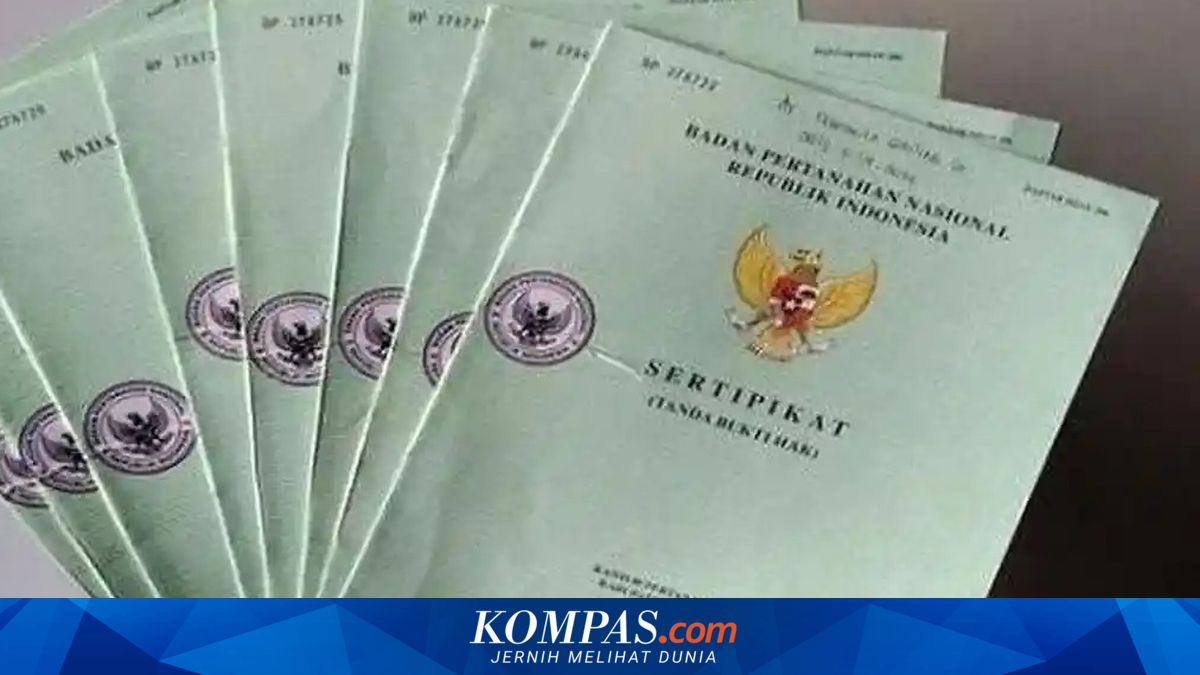
Disregarding the administrative affairs of land certificates belonging to deceased parents is a fatal mistake. Behind a single sheet of paper bearing the name of the late owner lies the potential for family disputes that could erupt at any time and financial obstacles that lock the economic value of the asset. Indonesian agrarian law does not recognise an “automatically clean” status for inherited land certificates. “The public must realise that legal certainty is recorded, not just remembered. We are facilitating this information through the Sentuh Tanahku app so that heirs can act immediately,” emphasised Shamy Ardian, Head of the Public Relations and Protocol Bureau of the Ministry of Agrarian Affairs and Spatial Planning/National Land Agency, quoted by Kompas.com on Sunday (22/3/2026). Without the renaming process, the inherited land effectively becomes a dead asset administratively. There are three logical consequences that ensnare the heirs. 1. Buying and Selling Impossible to Conduct The PPAT (Land Deed Official) is prohibited from issuing a deed of sale and purchase if the original owner is deceased. Without renaming to the heirs, any property transaction will stall at the notary’s desk. 2. Banking Doors Closed For those wishing to use the land as business capital, banks will never accept a certificate in the name of a deceased person as collateral. Legal subject certainty is an absolute requirement in banking prudence principles. 3. Risk of Unilateral Block Land with a pending status is highly vulnerable to being blocked by one heir who feels dissatisfied, or even by third parties claiming rights. The proof process will be lengthy, expensive, and exhausting. The heir renaming process is actually a routine procedure at the Land Office (Kantah).