
Central Java Transport Overhaul: Electric Taxis and Cashless Payment Services
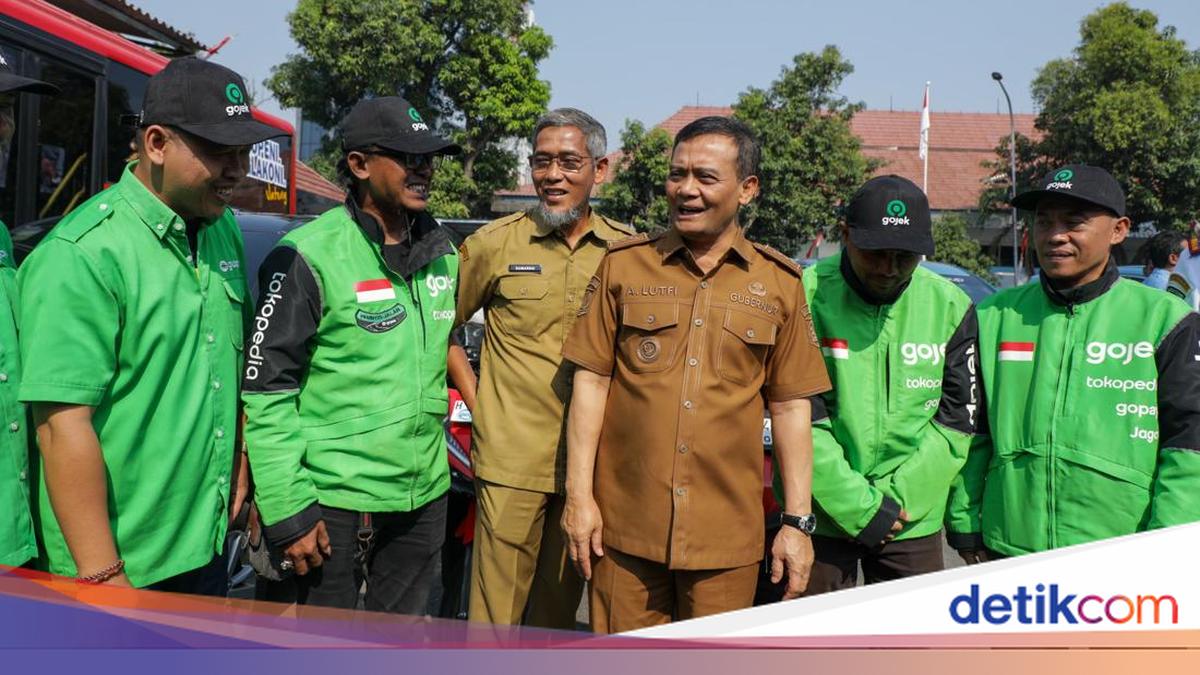
The transformation includes the operation of electric taxis and travel services, the development of public transport integration, and the implementation of cashless payment systems at terminals. All these measures are directed towards delivering transport services that are more modern, efficient, and environmentally friendly.
The various services were officially launched by Central Java Governor Ahmad Luthfi at the Grand Launching of the Central Java Transportation Transformation 2026 at the Provincial Transportation Agency (Dishub) office.
During the event, Luthfi personally tried the electric taxi by riding around the Dishub office complex. He assessed that electric vehicles offer comfort while supporting the reduction of pollution and the use of fossil energy.
“It is very comfortable. I tried going around the office, the meter just needs to be pressed, there is no sound, no air pollution, and it saves fossil energy,” Luthfi said in a written statement on Monday (24/8/2026).
According to Luthfi, the use of renewable energy in the future will not only be encouraged in the vehicle sector. The Central Java provincial government has also begun utilising solar panels on a number of office buildings. This step is part of Central Java’s support for the development of renewable energy and the green economy.
When asked about plans to use electric vehicles for Bus Rapid Transit (BRT) in Central Java, Luthfi said the development is being studied. He stressed that transportation transformation must not stop at the development of applications or technology. Innovation must be able to answer real problems faced by the public, especially regarding the movement of people and goods.
Head of the Central Java Provincial Transportation Agency Arif Djatmiko said the launch of electric taxis and electric travel services is one of eight innovations in the Central Java Transportation Transformation 2026. In addition to vehicle electrification, the provincial government is promoting transformation through digitalisation and integration of transport services.
One of these is the implementation of cashless payments at Type B Terminals. A trial has been conducted at Sukoharjo Terminal and it is planned to be implemented at 22 Type B Terminals managed by the provincial government. The system is designed so that payments can go directly to the regional treasury while strengthening transparency and accountability in terminal management.
The Central Java Transportation Agency is also developing a digital monitoring and operational supervision system for Type B Terminals. The system is used to strengthen data-based terminal management, including vehicle monitoring and operational reporting.
Transformation is also being carried out on Trans Jateng services through collaboration with Gojek. The collaboration is aimed at integrating public journeys from online motorcycle taxi services to Trans Jateng and onward services as first mile and last mile.
“Next year we will create a single ticket between Gojek and Trans Jateng. So the first mile and last mile are all covered,” Arif said.
According to Central Java Transportation Agency data, the number of Trans Jateng users throughout 2025 reached around 10 million passengers. As many as 53% of passengers are said to be users who switched from private vehicles to Trans Jateng. This shift is estimated to provide public transport cost savings of up to around Rp 50 billion.
The Central Java provincial government is also expanding the use of the Multi Trip Card for Trans Jateng payments. Currently, the card has been used on one corridor and is targeted to be usable on all seven Trans Jateng corridors in the future.