
Central Java Provincial Government Assures No Plastic Hoarding
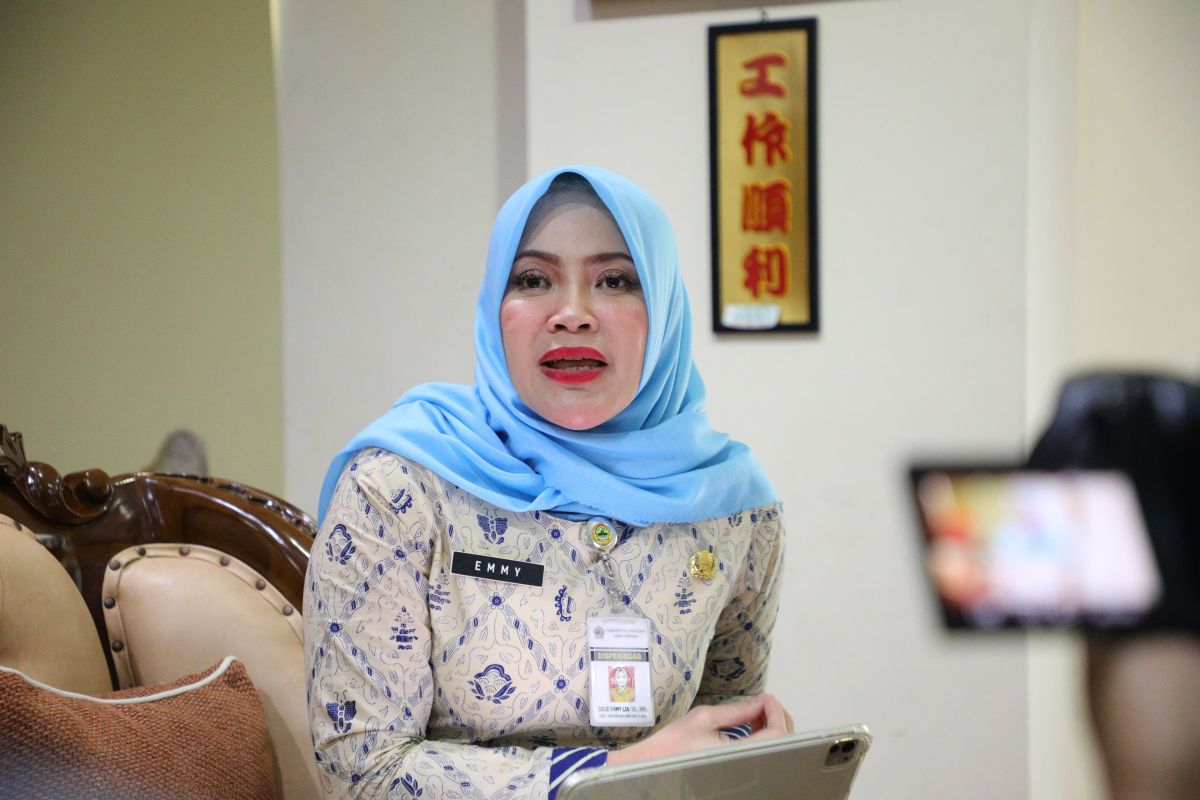
Semarang (ANTARA) - The Central Java Provincial Government has assured that, to date, there has been no hoarding of plastic in response to the soaring plastic prices on the market, which have already impacted the public.
Head of the Central Java Industry and Trade Office, July Emmylia, in Semarang on Friday, explained that the plastic price increase was triggered by global supply disruptions due to geopolitical tensions.
“The plastic price hike originated from the downstream end, disrupted by global supply issues stemming from political tensions in the Strait of Hormuz, which has led to a rise in naphtha prices as the raw material for plastic,” she said.
She noted that the naphtha price increase was quite significant, from around $600 per tonne to $900 per tonne, which automatically triggered a surge in plastic prices.
Meanwhile, other sectors, such as furniture and textiles, only use plastic as secondary packaging.
“The heaviest pressure is on small and medium industries as well as small and medium enterprises in the food sector, because plastic use is very intensive as the main packaging. Other sectors are still affected, but not as severely as the food and beverage industry,” she said.
To anticipate the impact and prevent further difficulties, the Central Java Provincial Government has prepared short-term, medium-term, and long-term measures.
She stated that campaigns to reduce single-use plastics will also be intensified again through the use of tumblers, reusable shopping bags, and reduced plastic consumption.
“In the short term, we will go to the field together with the police to prevent plastic hoarding and strengthen the movement to reduce the use of single-use plastics,” she said.
For the medium and long term, she said, they are promoting the use of bioplastics, one of which is made from cassava starch.
In fact, Emmy mentioned that initial substitution could be done at around 20 to 30 percent before switching more broadly.
She also urged the public to adapt to the use of environmentally friendly plastic materials.
“We urge the public and SMEs to start replacing plastic use with more environmentally friendly materials. This difficulty can actually become an opportunity for transformation,” she said.